If you wake up with a stuffy nose, sneeze the moment you strip the bed, or feel your chest tighten when you fluff a pillow, there's a good chance you're living with dust mites. I've been in the cleaning business for more than a decade, and across the 9,000-plus homes I've personally worked in, dust mites are the single most common allergen problem I run into — and one of the most misunderstood. People assume their house is "dirty." It usually isn't. Dust mites thrive in perfectly tidy homes because they don't care about crumbs. They care about warmth, humidity, and the millions of dead skin cells all of us shed every day.
The good news: you don't need a laboratory or an expensive gadget to get the population under control. You need the right routine in the right places. Here's exactly how we approach it, backed by what the leading respiratory-health organizations recommend.
Dust mites are microscopic relatives of spiders. You'll never see one with the naked eye, but there can be thousands living in a single mattress. According to the American Lung Association, dust mites feed on the dead skin cells people and pets shed, and they thrive in warm, humid conditions. They're also one of the major indoor triggers for people with asthma. It isn't the mite itself that sets off your allergies — it's the proteins in their waste and body fragments, which get stirred into the air every time you sit on the couch, shake out a blanket, or walk across the carpet.
That's why the bedroom is ground zero. You spend a third of your life in bed, shedding skin and giving off body heat and moisture all night. Your mattress, pillows, and bedding are essentially a warm, well-fed resort for mites. Upholstered furniture, carpet, curtains, and stuffed toys are the next-favorite spots. Once you understand what mites want, the whole strategy makes sense: take away the humidity, wash away the food and the mites on a schedule, and put a barrier between you and the ones you can't reach.
If you do only one thing from this article, do this one. Dust mites can't drink — they absorb moisture straight out of the air, and when the air is dry enough, they simply can't survive. The American Lung Association recommends keeping indoor humidity below 50% to make your home inhospitable to mites.
In Chicago, this is more of a summer battle than a winter one. Our humid Great Lakes summers can push indoor moisture well past comfortable levels, so a dehumidifier in the basement and lower-level bedrooms earns its keep. A cheap hygrometer (humidity meter) from the hardware store tells you exactly where you stand. Run bathroom and kitchen exhaust fans, fix any small leaks quickly, and don't let damp towels or laundry sit around. If you're also fighting moisture problems, our guide to mold and moisture control covers the humidity side in more depth — the same conditions that grow mold also feed mites.
Regular washing physically removes mites, their waste, and the skin cells they eat — but only if the water is hot enough to kill them. This is where I see the most confusion, so let me be precise, because the two big authorities give slightly different numbers.
The American Lung Association recommends washing bedding in hot water — at least 120°F — every week. The Asthma and Allergy Foundation of America (AAFA) goes a little further, recommending you wash bedding and stuffed toys weekly at 130°F or hotter. If someone in your home has asthma or serious allergies, aim for the higher figure. Many water heaters are set around 120°F for safety reasons, so you may need to use your washer's sanitize cycle or run a hot rinse to reach 130°F.
Weekly is the key word here. Mite populations rebound fast, so stretching your sheets to every three weeks undoes a lot of the benefit. For the full breakdown on timing and technique, see our post on how often you should wash your sheets. And don't forget the pillows themselves — they collect just as much as the pillowcases. Our step-by-step guide to washing pillows the right way walks you through doing it without ruining them.
What goes in the wash:
You can't wash a mattress, and you'll never fully clean the mites out of the one you have. So you do the next best thing: you lock them in. Zippered, allergen-resistant covers on your mattress, box spring, and pillows create a physical barrier the mites and their allergens can't cross. This is one of the most effective steps you can take — the AAFA notes that zippered allergen-resistant mattress and pillow covers actually reduce symptoms better than air cleaners do.
That's a point worth sitting with, because a lot of people spend hundreds on an air purifier and skip the $30 mattress cover. Air cleaners have their place, but the biggest reservoir of mite allergen is the bed you're lying on, not the air floating above it. Get good encasements — look for ones labeled "allergen" or "dust-mite" proof with a tight zippered seal — wash the outer bedding on top of them weekly, and you've addressed the problem at its source.
Ordinary vacuums can make allergy symptoms worse, because they kick fine allergen particles right back into the air through the exhaust. A vacuum with a HEPA (high-efficiency particulate air) filter traps those tiny particles instead of redistributing them. The American Lung Association specifically recommends vacuuming with a HEPA filter to reduce dust mite exposure. Go slowly over carpets, rugs, and upholstered furniture — one pass isn't enough — and get the mattress surface and along the baseboards while you're at it.
Pair that with damp dusting. Dry dusting or feather dusters just lift allergens into the air and set them down somewhere else. A slightly damp microfiber cloth captures the dust and holds onto it. In the thousands of Chicago homes we've cleaned, switching a household from dry to damp dusting is one of the fastest, cheapest upgrades I can recommend for anyone with allergies. This is a core part of our standard cleaning visits — HEPA vacuuming and damp, top-to-bottom dusting on a consistent schedule so allergens never get a chance to build up.
Every soft surface in your home is potential mite habitat. You don't have to strip your house bare, but a few thoughtful choices make a real difference, especially in bedrooms:
Dust mites are one piece of a bigger indoor-air picture. The particles they produce, along with pollen, pet dander, and the fumes from certain cleaning products, all add up to the air your family breathes every day. If you want to go deeper on the whole system, our guide to indoor air quality and cleaning connects the dots — and if seasonal sniffles are your main concern, our Chicago allergy-season cleaning guide lines these tactics up against our local pollen calendar so you know when to double down.
You don't need to overhaul your life. Here's the rhythm I'd give a friend:
Stick with that, and within a few weeks most people notice they're sneezing less, breathing easier, and waking up clearer. It isn't magic — it's just consistently taking away what mites need to thrive.
This article is for general information and isn't medical advice; if you have asthma or a serious allergy, consult a healthcare professional for guidance specific to your situation.
Keeping allergens down comes with consistent, thorough cleaning — and that's exactly what we do. For 11 years, our background-checked crews have used HEPA vacuums, eco-friendly products, and a 75-point inspection to keep Chicago-area homes genuinely clean, not just tidy-looking. If allergies are wearing your family down, let us build a routine that keeps dust mites in check for good. Call us now and get in touch to book a cleaning, or learn more about our standard cleaning service. We serve Chicago and 70-plus surrounding suburbs, and we'd love to help you breathe easier.



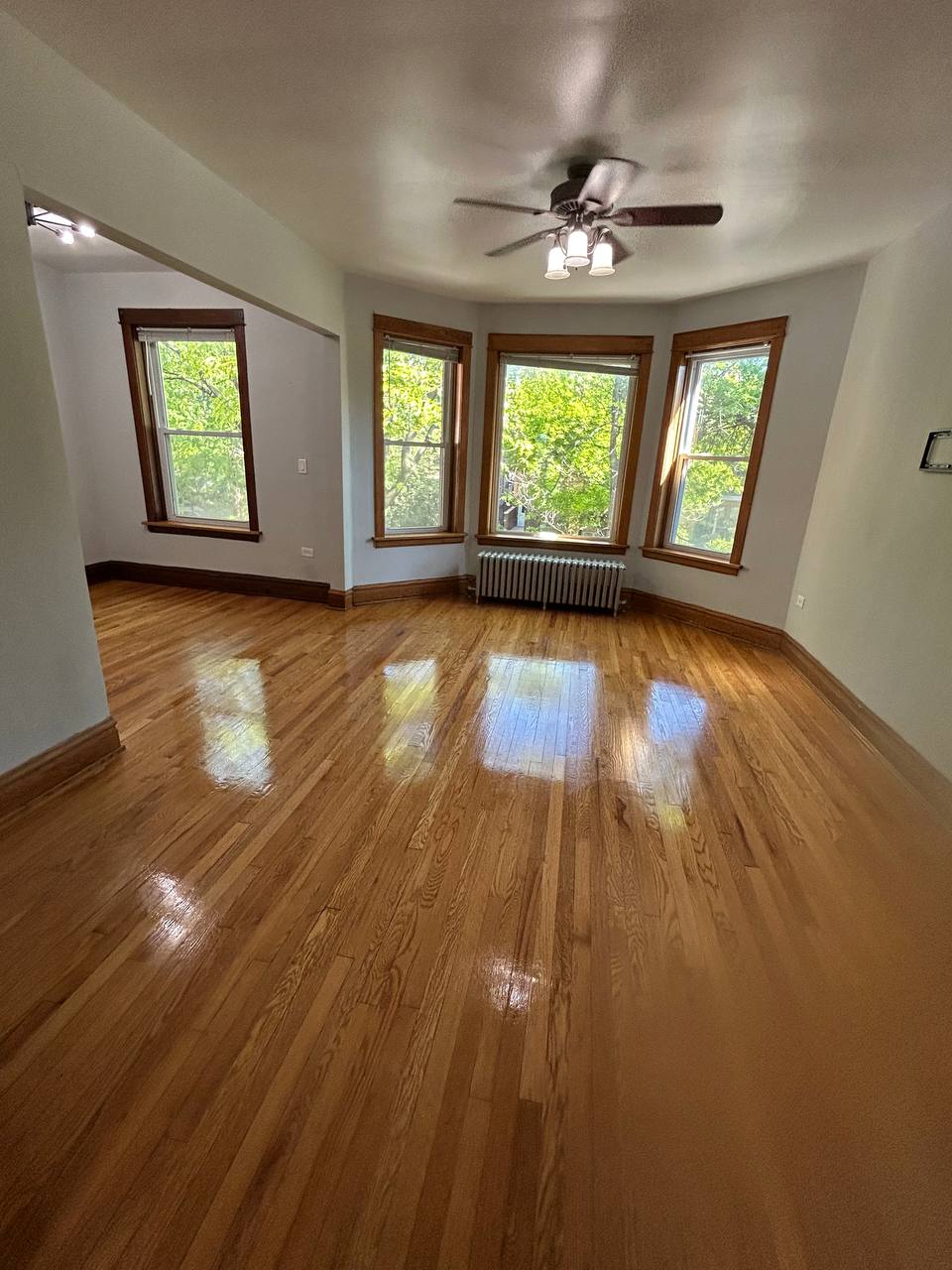
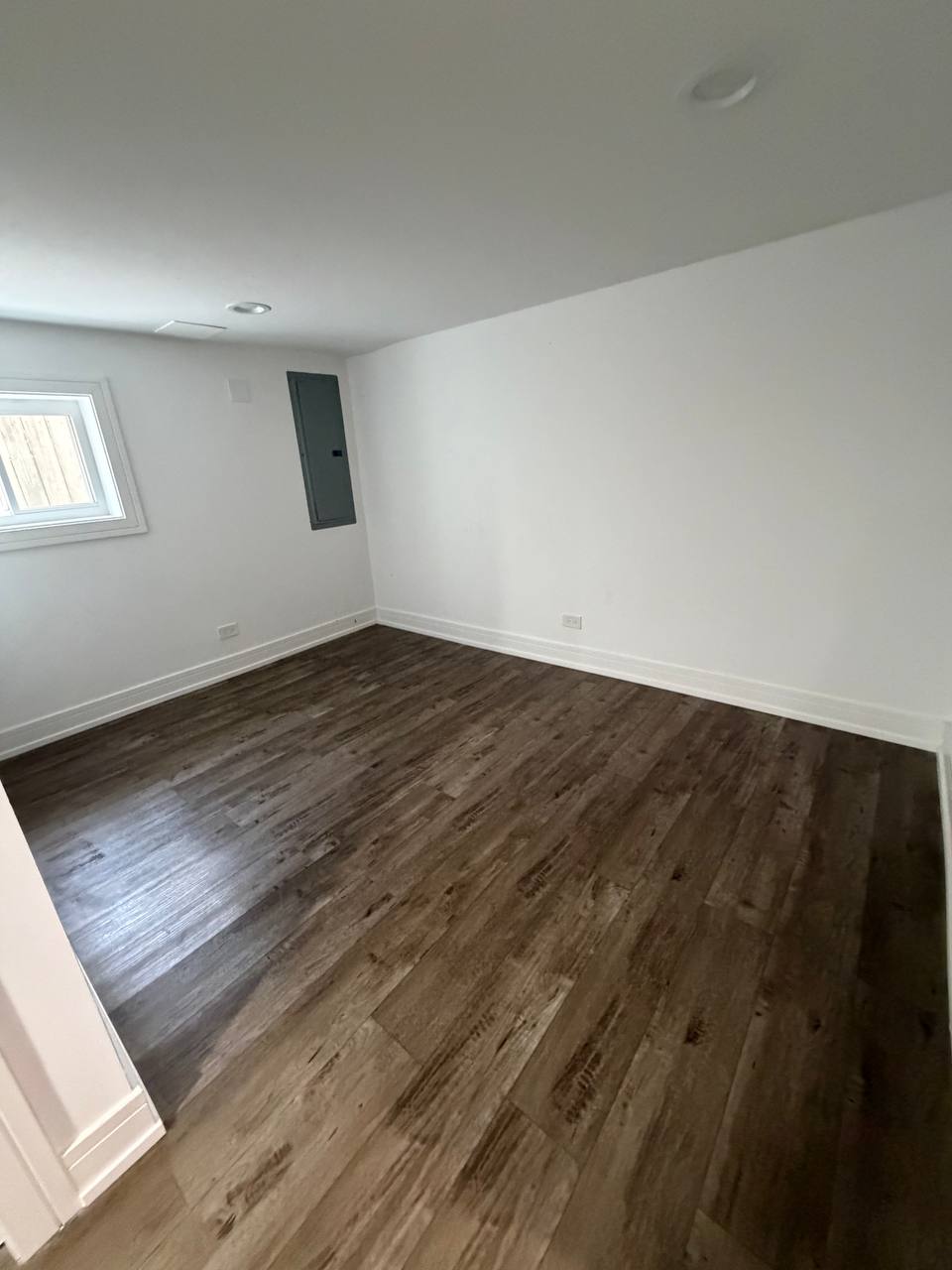
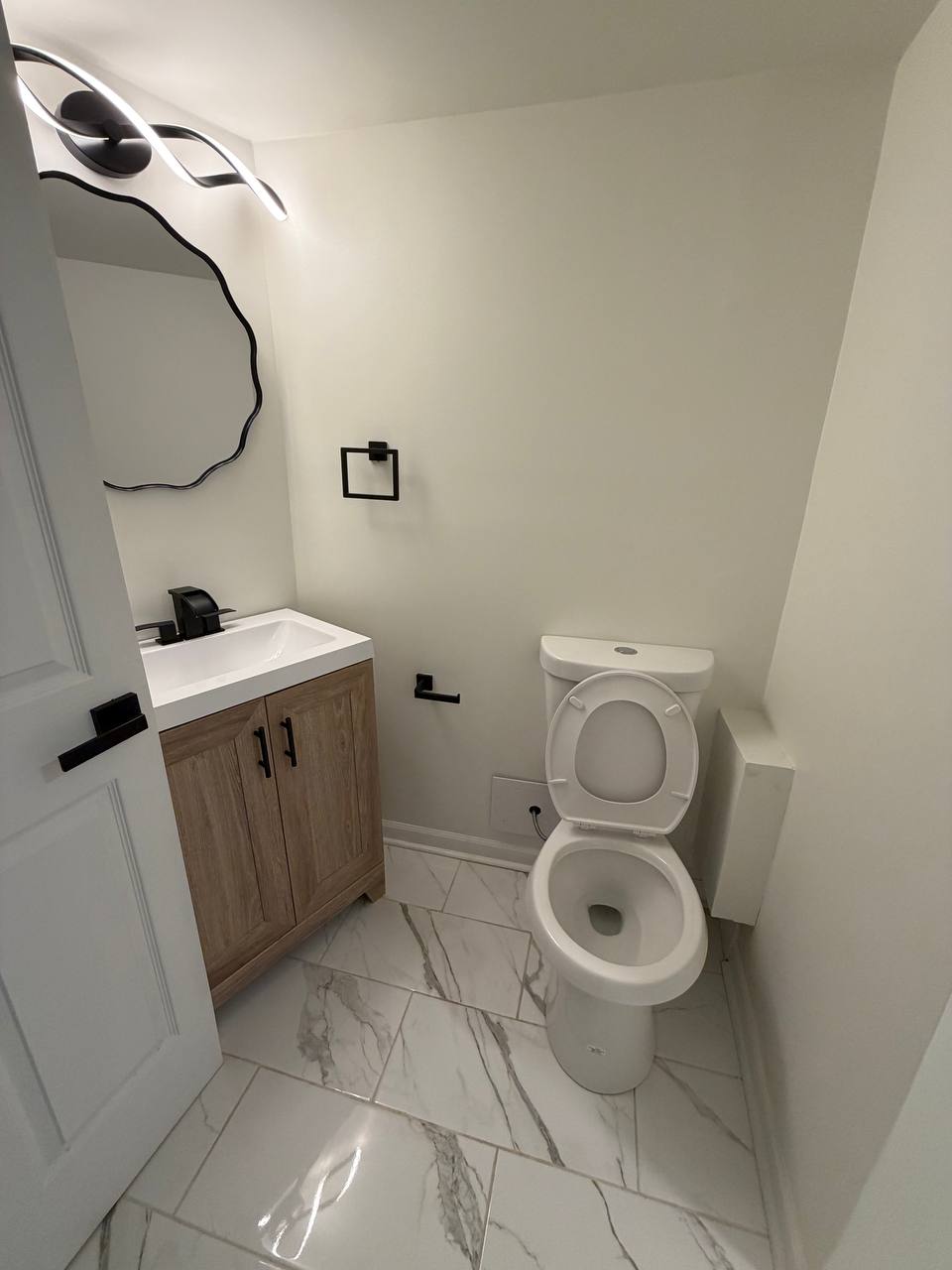


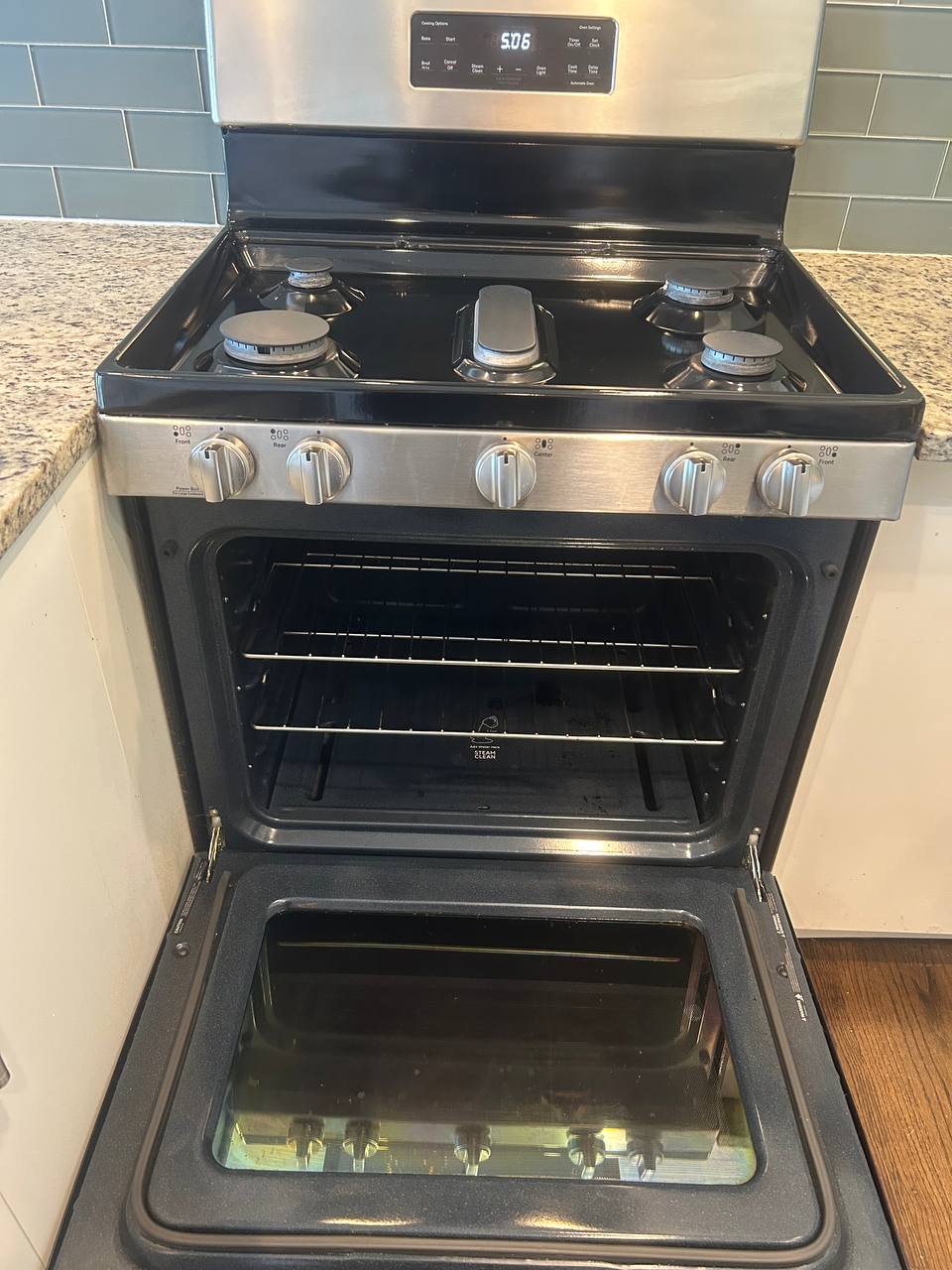
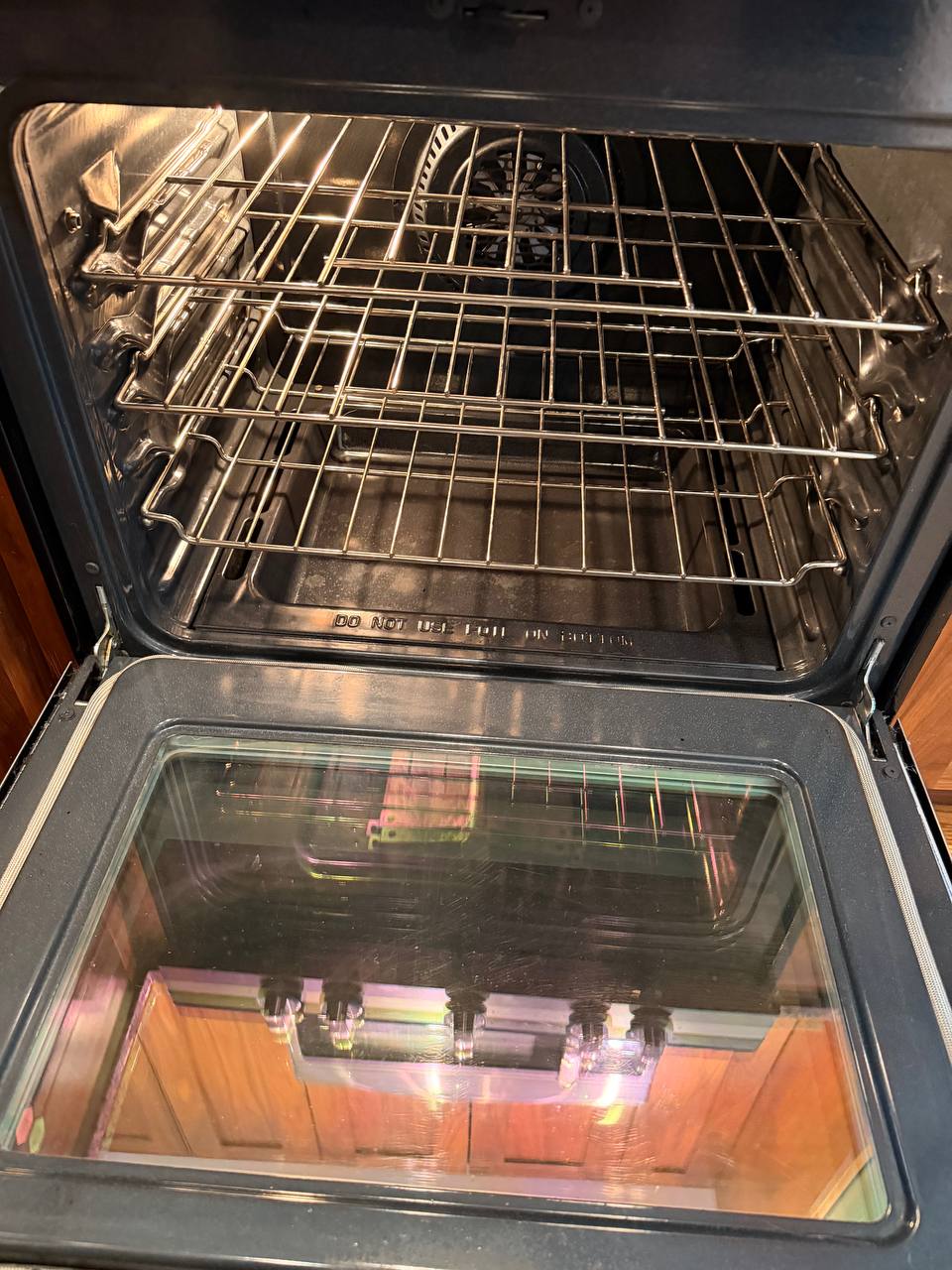
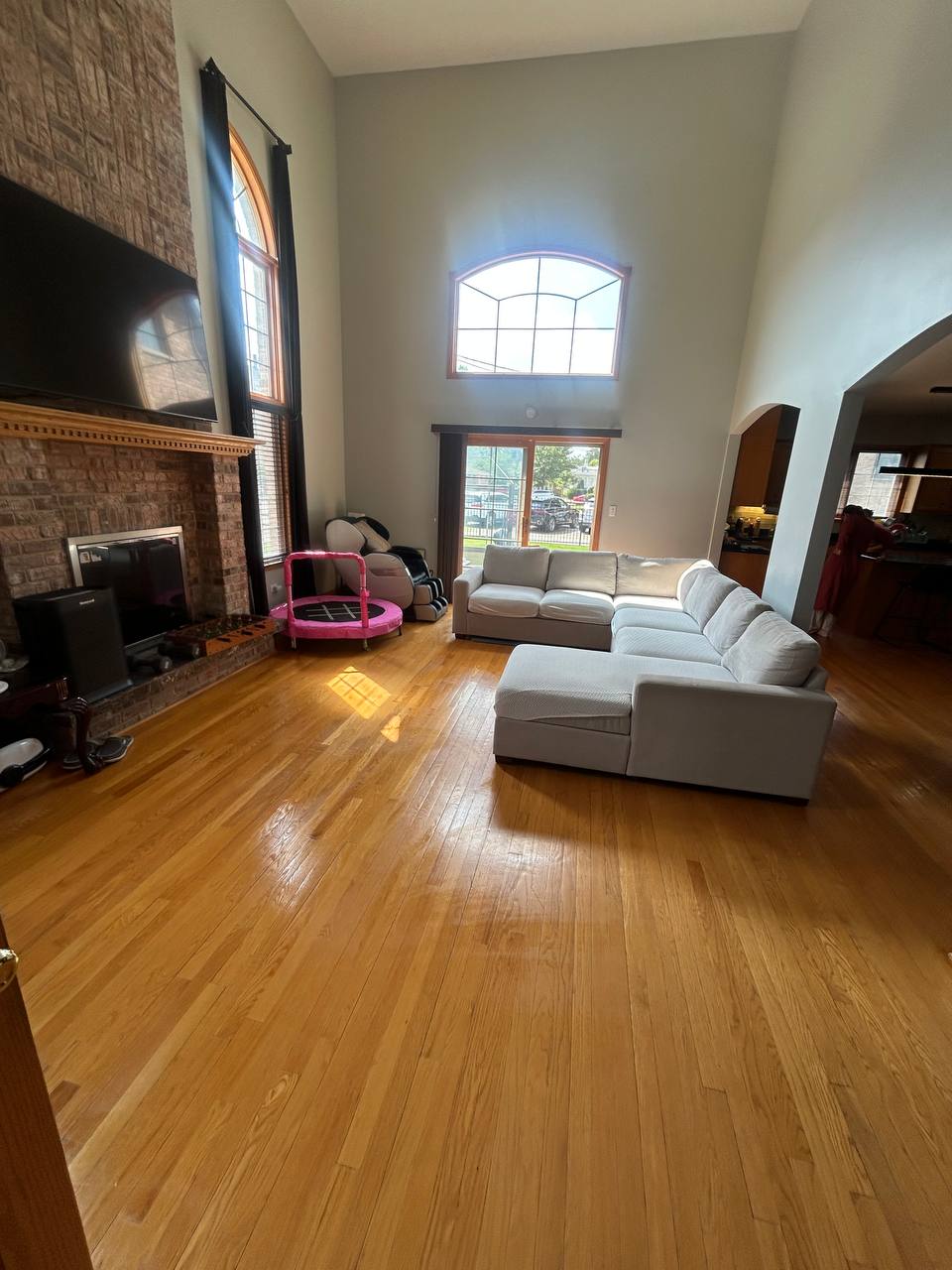
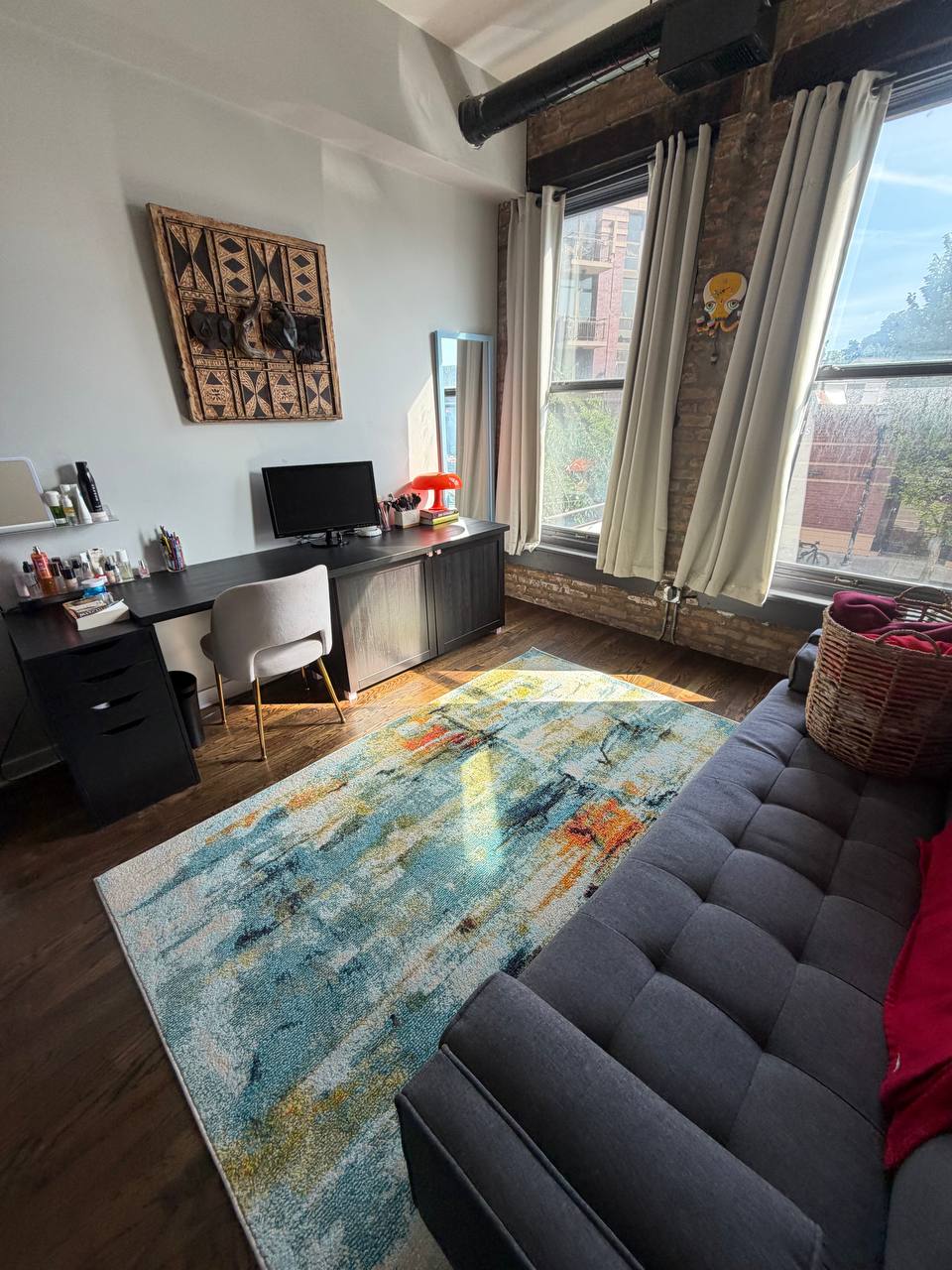






Keep your space fresh, clean, and stress-free with our full range of residential cleaning services in Chicago, IL. Whether you need routine maintenance, a deep clean, or move-in/move-out service, our expert team delivers spotless results every time.