Here's something most people never stop to consider: the air inside your home is often dirtier than the air outside it. That surprises folks, because we tend to think of "pollution" as a traffic-and-smokestacks problem. But after more than a decade cleaning Chicago-area homes — 9,000-plus of them, personally — I can tell you the indoor environment has its own set of pollutants, and some of them come from the very products people use to clean. It's a paradox worth understanding, because once you do, you can clean in a way that actually makes your air better instead of worse.
Let's walk through what's really in your indoor air, how cleaning affects it, and the small changes that make the biggest difference.
Modern homes are built to be tight and energy-efficient. That's great for your heating bill, but it also means that whatever gets into the air tends to stay there. In Chicago especially, our long winters mean homes stay sealed up tight for months at a stretch, with very little fresh air exchange — so anything you introduce into the air just accumulates. One of the biggest culprits is a category of chemicals called volatile organic compounds, or VOCs.
According to the U.S. Environmental Protection Agency, concentrations of many VOCs are consistently higher indoors than outdoors — up to ten times higher. Ten times. And these compounds don't come from some mysterious outside source; they come from ordinary things inside your home, including paints, building materials, air fresheners, and — yes — household cleansers and disinfectants, which the EPA lists among the products that emit VOCs.
In other words, that fresh "clean" smell after you wipe down the kitchen isn't necessarily the smell of clean air. It can be the smell of chemicals evaporating into the room you're standing in.
This isn't about fear-mongering, but it is worth being straight about. The EPA reports that the health effects of VOC exposure can include eye, nose, and throat irritation; headaches; nausea; and dizziness. At higher or longer exposures, some VOCs can cause damage to the liver, kidneys, and central nervous system, and some are known or suspected carcinogens.
The severity depends on the specific compound, how much is in the air, and how long you're breathing it. A quick spritz of an all-purpose cleaner in a ventilated kitchen is a very different exposure than mopping a whole house with a strong product in a closed-up home on a winter day. But the pattern is clear: the more VOC-emitting product you use, and the less fresh air you bring in while using it, the more you're breathing.
It's also worth remembering that children, older adults, and anyone with asthma or a respiratory condition tend to be more sensitive to these exposures. Kids breathe faster and spend more time close to floors and surfaces, so the same room can affect a toddler more than an adult. That's not a reason to panic — it's a reason to build good ventilation habits into your normal cleaning routine so everyone in the house benefits.
Here's the tension at the heart of this topic. Cleaning genuinely improves your indoor air — it removes dust, pet dander, pollen, mold spores, and the allergens that trigger so many people. A home that's regularly and properly cleaned is a home with fewer particles floating around to irritate your lungs. If you deal with sneezing and congestion, our guide to reducing dust mites and allergens shows just how much difference consistent cleaning makes.
But the products you clean with can add pollutants even as you remove others. The solution isn't to stop cleaning — it's to clean smarter, so you get all the allergen-removing benefit without dumping a cloud of VOCs into your living space. That comes down to two things: how you ventilate, and what you choose to spray.
The single most effective habit you can build is also the simplest. The EPA specifically recommends increasing ventilation when using products that emit VOCs. Fresh air dilutes the chemicals and carries them out instead of letting them build up in a sealed room.
In practice, that means:
I know cracking a window in a Chicago January feels counterproductive. But you don't need the window wide for an hour — a few minutes of real cross-ventilation clears the air far better than a closed room ever will.
The other lever is product selection. Not all cleaners emit the same load of VOCs, and you can dramatically cut your exposure just by reading labels and picking gentler options. The EPA's indoor air quality resources are a good starting point for understanding the trade-offs.
One of the easiest shortcuts is to look for the EPA's Safer Choice label. Products carrying that mark have been reviewed so that every ingredient meets the EPA's criteria for being safer for human health and the environment — which generally means a lower VOC profile than heavy-duty conventional cleaners. For a lot of everyday jobs, you don't need harsh chemistry at all; warm water, microfiber, and a mild Safer Choice cleaner handle most surfaces beautifully.
If you want to go further down this road, our post on green cleaning that actually works separates the methods that genuinely clean from the ones that just smell nice. This is exactly why our own crews clean with eco-friendly products by default — over 11 years and thousands of homes, we've found you can get a spotless result without filling the house with fumes.
One important caution: cleaning greener does not mean freelancing your own chemistry. Mixing products — especially bleach with ammonia or acids — can create genuinely dangerous gases. If you like to keep it simple with a handful of ingredients, read our guide to cleaning products you should never mix first.
It helps to know which rooms and products tend to carry the heaviest VOC load, so you can be extra deliberate about ventilating when you use them. In the thousands of homes I've cleaned, the usual suspects are remarkably consistent:
None of this means these products are forbidden. It means you use them thoughtfully: right tool for the job, window open, fan on, and doors cracked so the room can clear.
VOCs are the invisible half of indoor air quality. The visible half is everything that settles — dust, dander, pollen, and mold spores. The two are connected, because both respond to the same core habits: good ventilation, consistent cleaning, and controlling moisture.
Damp dusting instead of dry dusting keeps particles out of the air. HEPA vacuuming traps the fine stuff instead of blowing it back out. And keeping humidity in check starves both dust mites and mold. On the mold front specifically, moisture control is everything — our guide to mold and your health explains why a damp basement or bathroom quietly degrades the air in the whole house. Clean air is really the sum of a lot of small, boring habits done consistently.
Put it all together and you get a routine that's easy to live with:
Do those five things and the air in your home gets measurably better — fewer irritants, fewer fumes, easier breathing for everyone under your roof.
This article is for general information and isn't medical advice; if you have ongoing respiratory symptoms or specific health concerns, consult a healthcare professional.
Great indoor air comes down to how you clean, and that's our specialty. For 11 years, our background-checked Chicago-area crews have cleaned thousands of homes using eco-friendly, lower-VOC products and thorough, particle-removing methods — all backed by a 75-point inspection and a 100% satisfaction guarantee. If you'd like a home that's genuinely clean and easier to breathe in, Call us now and reach out to book a visit, or explore our standard cleaning service. We serve Chicago and 70-plus surrounding suburbs.



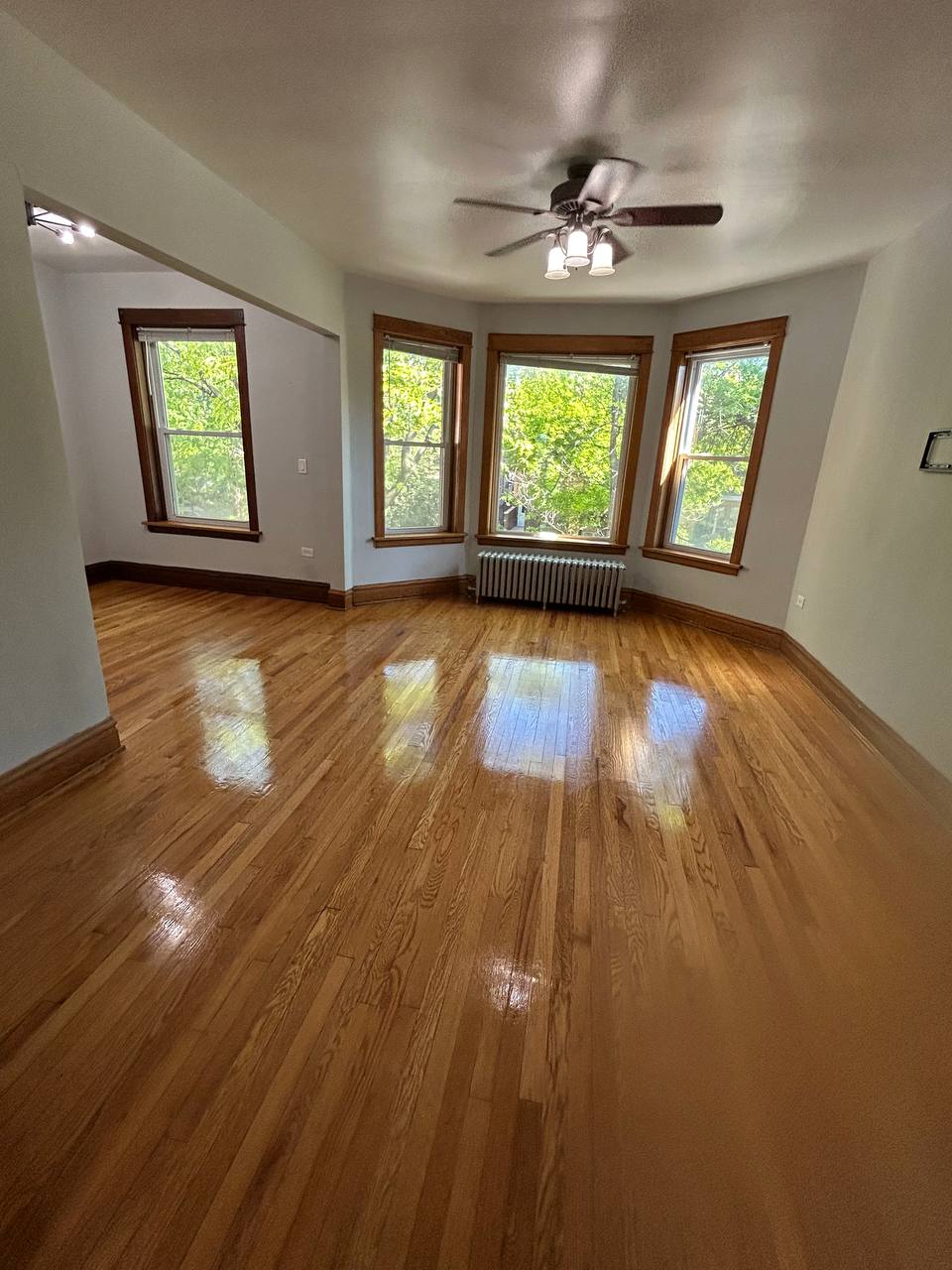
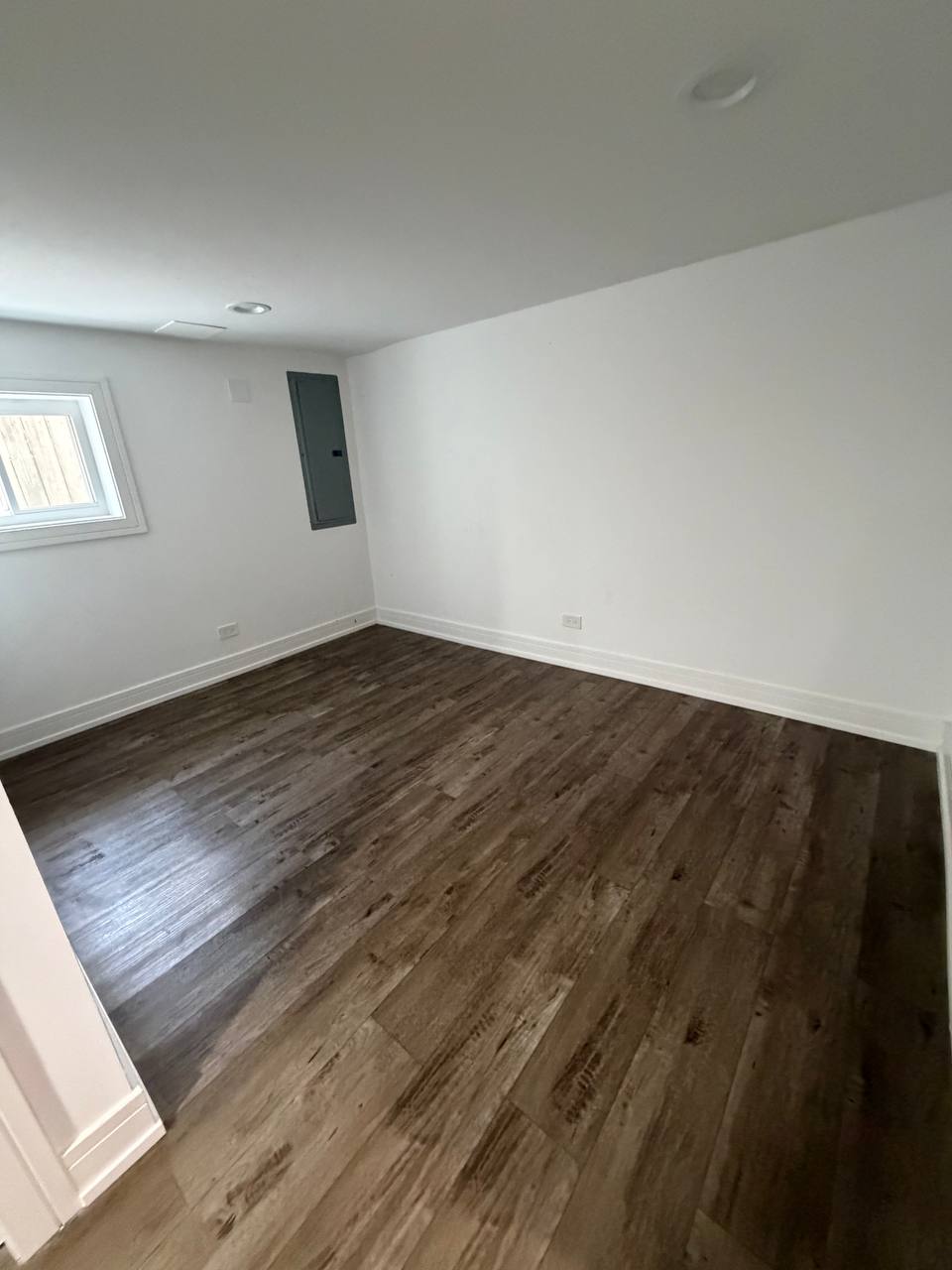
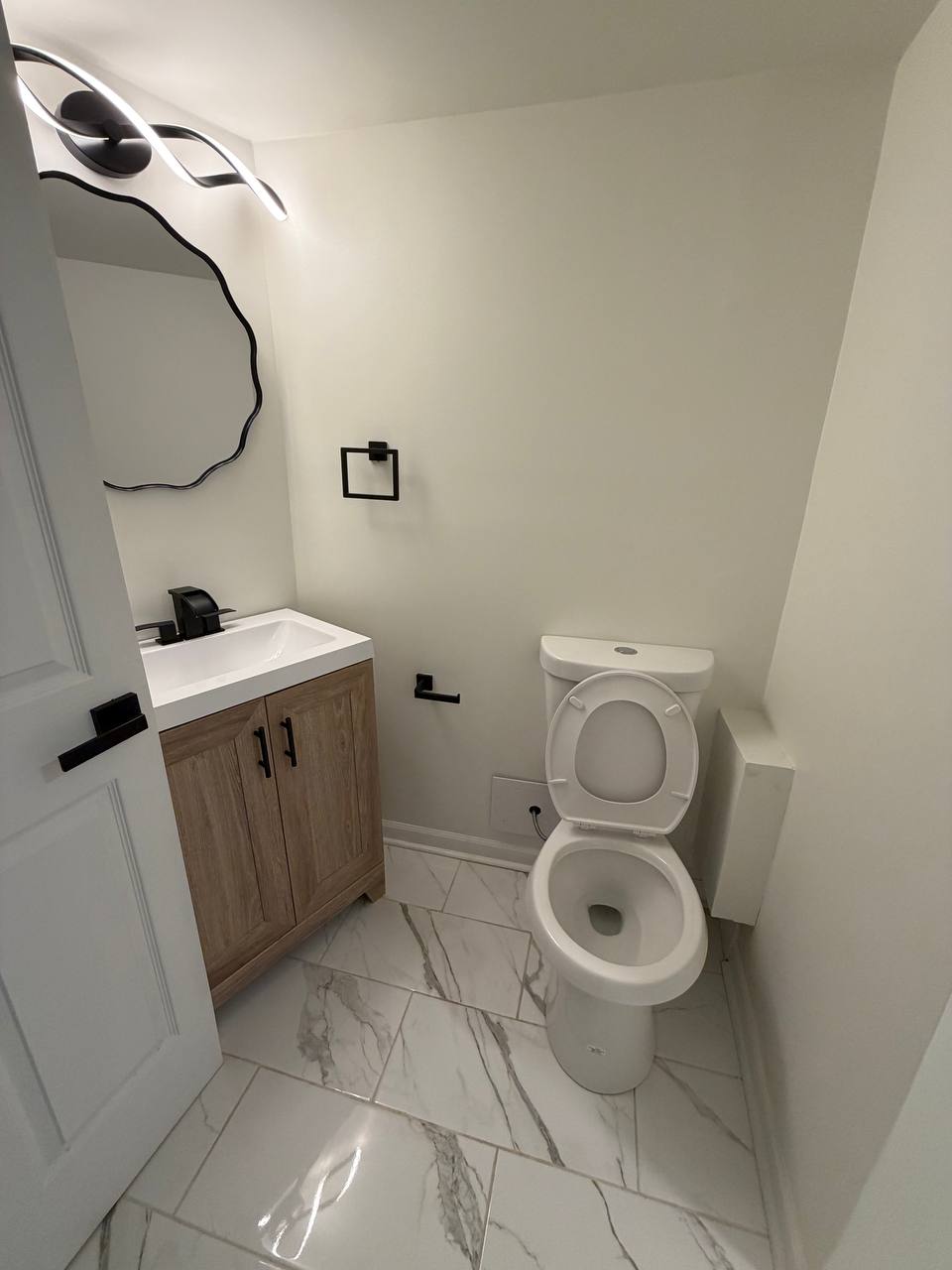


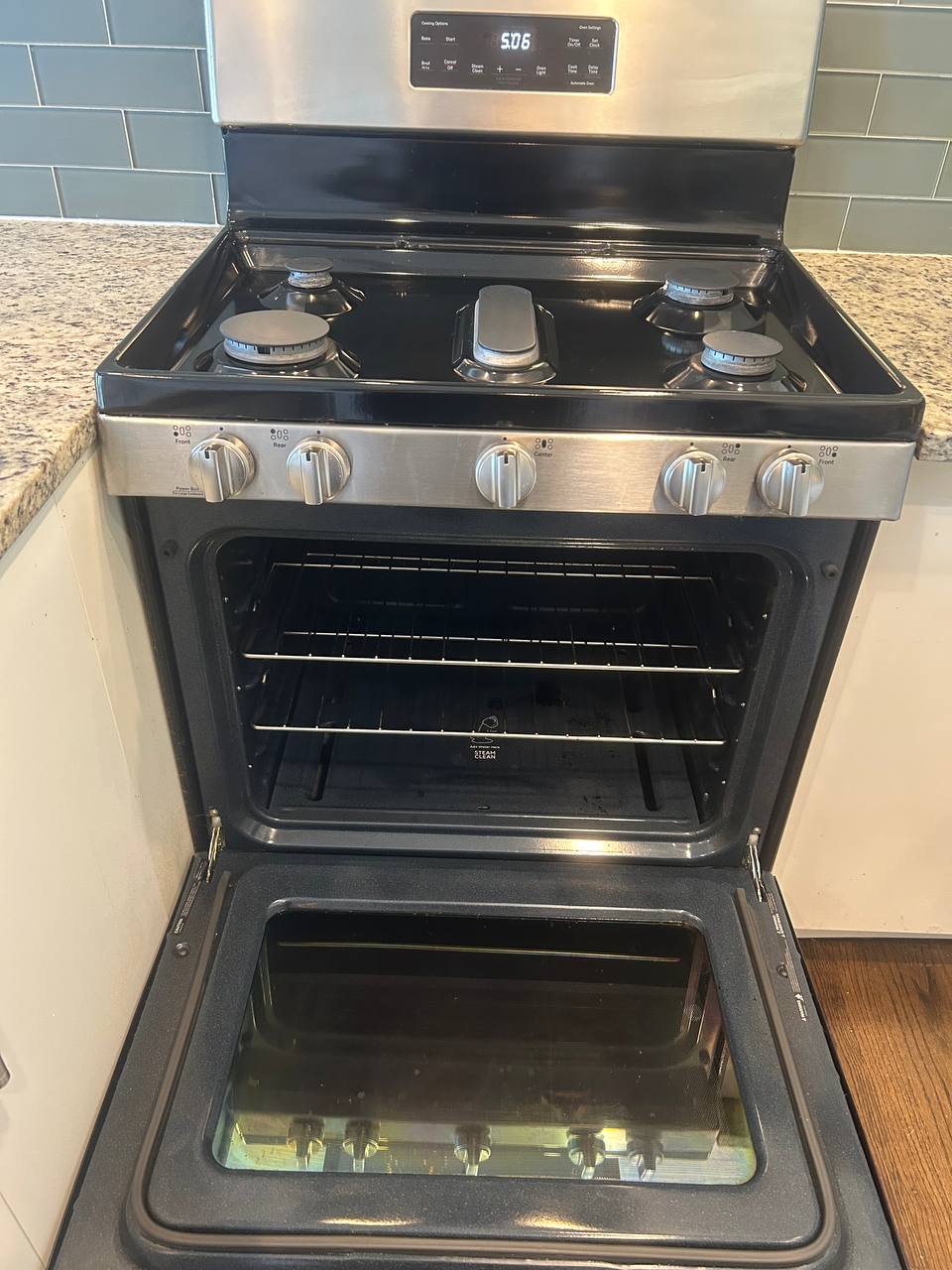
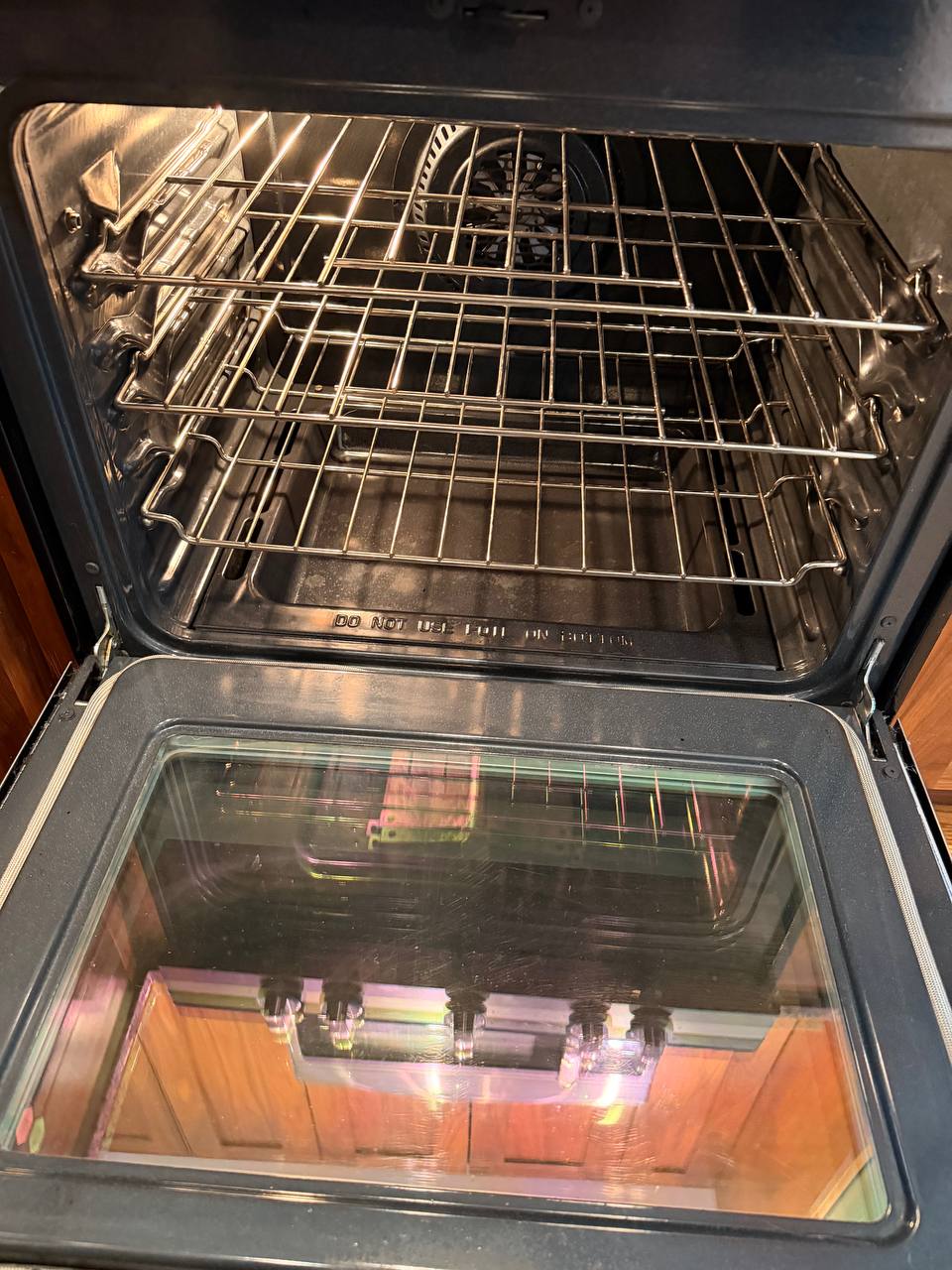
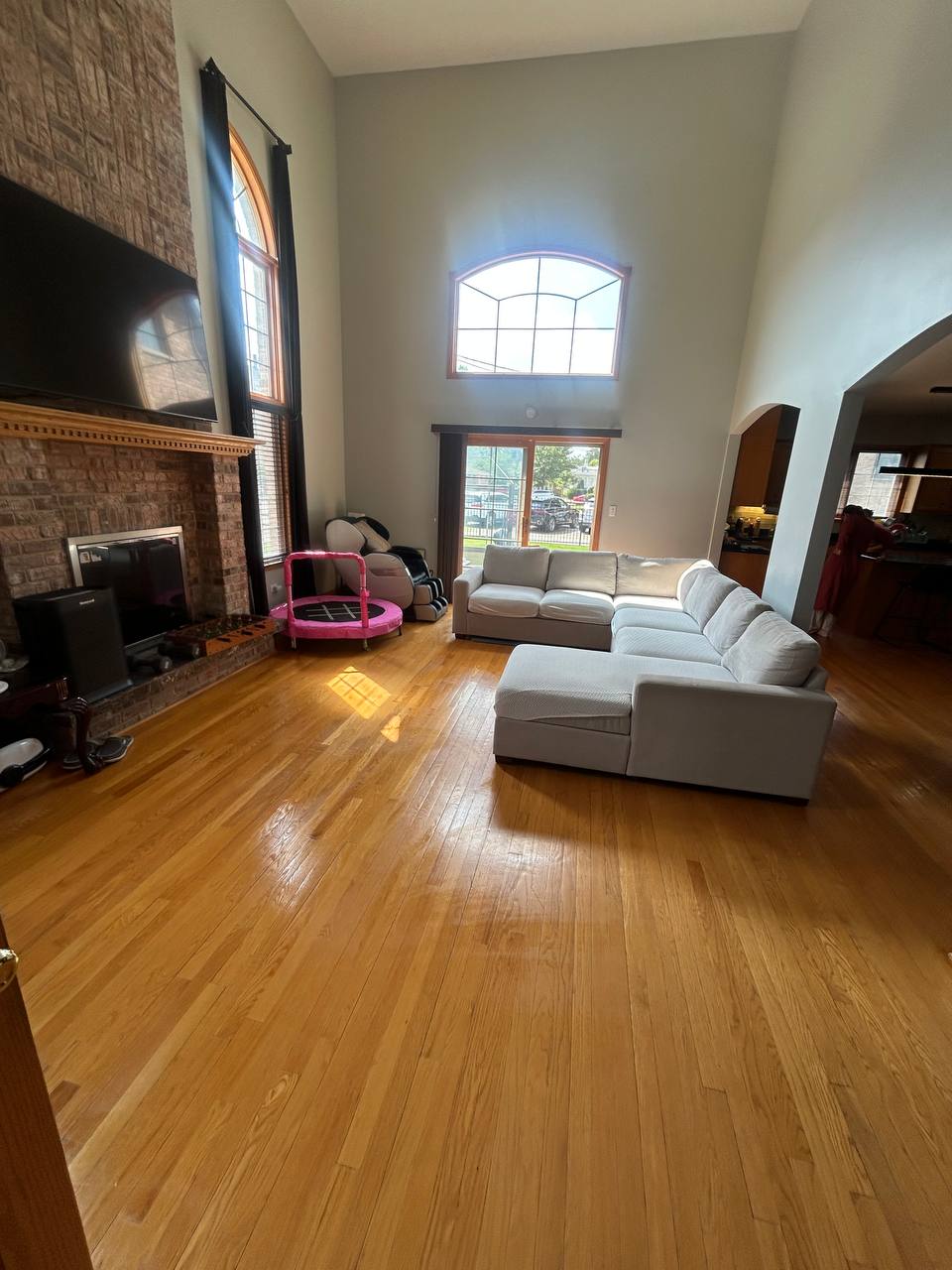
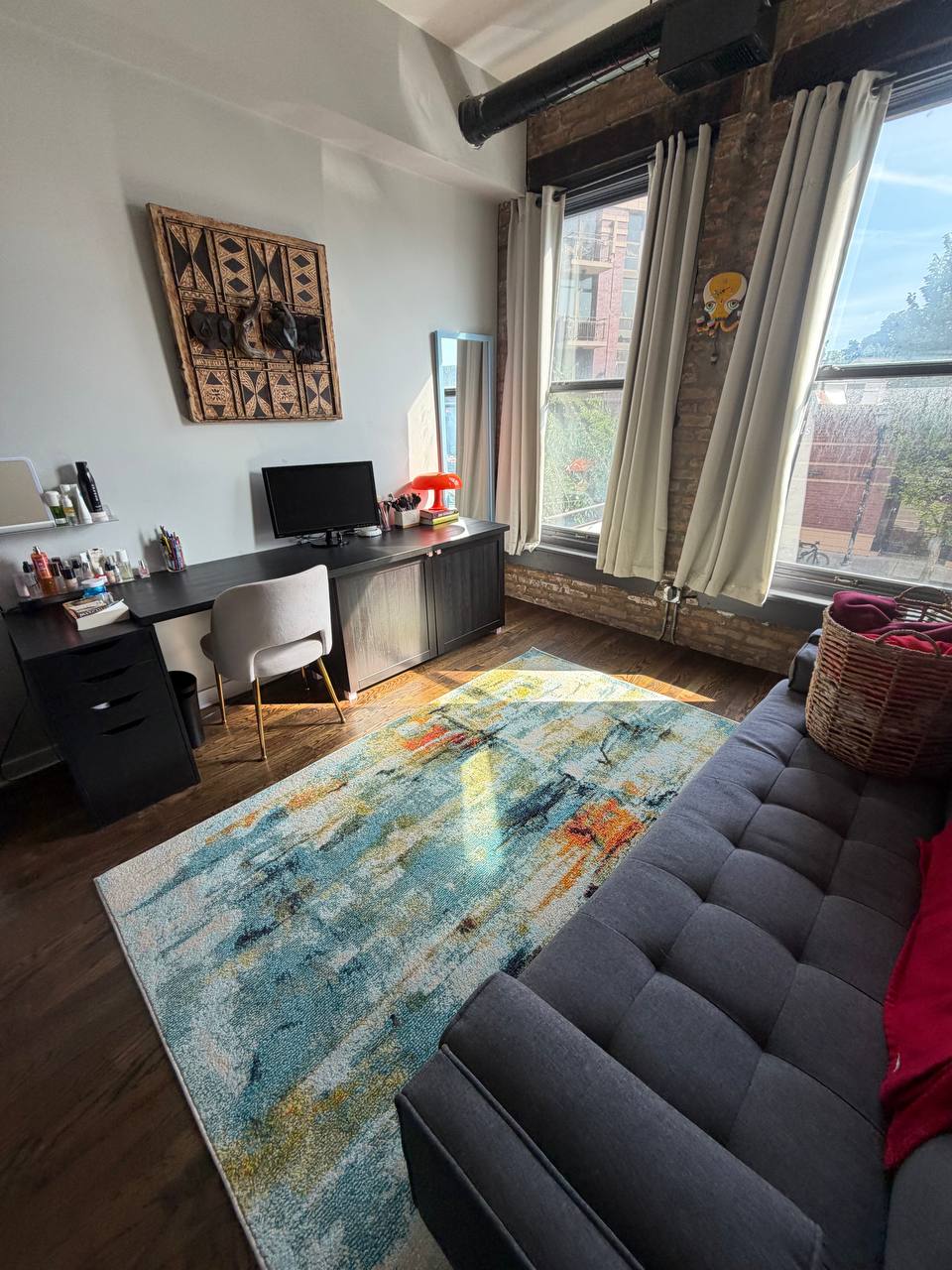





Keep your space fresh, clean, and stress-free with our full range of residential cleaning services in Chicago, IL. Whether you need routine maintenance, a deep clean, or move-in/move-out service, our expert team delivers spotless results every time.