Every few years, "green cleaning" gets a fresh wave of attention, and every wave brings the same two problems. On one side you've got products with leaves and earth-tones on the label that don't actually clean well. On the other, you've got well-meaning DIY recipes that either don't work or, worse, quietly damage your surfaces. After 11 years and thousands of Chicago homes, I've developed strong opinions about what green cleaning should be: effective first, non-toxic second. If it doesn't clean, it's not a cleaner — it's a spray bottle of good intentions.
The good news is that green, non-toxic cleaning products have come a long way, and you can absolutely keep a spotless home without harsh chemistry. You just need to know how to separate the real thing from greenwashing. Here's how we do it.
Words like "natural," "green," and "eco-friendly" have no fixed legal meaning on a cleaning bottle. A manufacturer can print them without meeting any particular standard. That's why third-party certifications matter so much — they're the difference between a marketing claim and an independently verified one.
Here's a point that surprises a lot of people, and it's worth citing directly. The EPA does not broadly regulate the volatile organic compounds (VOCs) in most consumer cleaning products the way many folks assume. There's no sweeping federal rule capping VOCs in the all-purpose spray under your sink. That regulatory gap is exactly why credible third-party labels carry real weight — they fill in where blanket regulation doesn't reach.
If you want one shortcut for finding legitimately greener products, look for the EPA Safer Choice label. It's not a self-awarded sticker — it's a rigorous, independent program, and understanding what it checks tells you why it's trustworthy.
According to the EPA, the Safer Choice program reviews every single ingredient in a product against strict safety criteria, including carcinogenicity, reproductive and developmental toxicity, aquatic toxicity, and how long the ingredient persists in the environment. Nothing gets a pass just because the finished product seems fine — each component has to clear the bar.
But here's the part I love, and the part that separates Safer Choice from feel-good labels: it doesn't only measure safety. The program also requires the product to actually clean as well as conventional alternatives, and to meet standards for performance, pH, packaging, and VOC content. In the EPA's own framing, a Safer Choice product has to work as well as its conventional counterpart to earn the label. That's the whole philosophy in one certification — safer and effective, not one at the expense of the other.
The EPA also publishes broader guidance on identifying greener cleaning products if you want to go deeper on what to look for. Between that resource and the Safer Choice mark, you can shop with real confidence instead of guessing.
You don't have to buy everything, either. Some of the most effective tools in green cleaning are cheap, simple, and probably already in your kitchen. These are the ones I actually trust:
Between baking soda, dish soap, and microfiber, you can clean the majority of a normal home effectively and non-toxically. That's not a compromise — that's just smart cleaning.
Now for the honest part, because bad green advice is everywhere and some of it will cost you. DIY and green cleaning have real limits, and ignoring them causes damage.
Vinegar gets treated like a miracle cure-all online, but it's an acid, and acid and natural stone don't mix. On marble, granite, travertine, and other natural stone — countertops, floors, some tile — vinegar can etch the surface, leaving dull, cloudy spots that don't buff out. I've seen beautiful marble counters permanently marred by a well-intentioned vinegar spray. Keep acids off natural stone, period. Use a pH-neutral cleaner made for stone instead.
This is the big one. Cleaning and disinfecting are not the same job, and most DIY and gentle green cleaners clean but do not disinfect — they lift dirt and germs off a surface but don't kill germs to the degree a registered disinfectant does. For everyday life, that's completely fine; cleaning removes most germs on its own. But when disinfecting genuinely matters — someone's sick, or you've just handled raw meat — you need a product designed and registered for that purpose. We explain exactly when each is called for in cleaning vs. sanitizing vs. disinfecting. The takeaway: don't expect a vinegar-and-water spray to disinfect, because it won't.
People often assume going green means buying a dozen specialized bottles. It's the opposite. A lean, well-chosen kit handles the vast majority of a home. Here's what I'd stock:
That's it. Six items, mostly inexpensive, and you can clean a whole house effectively and non-toxically. Notice that the disinfectant is a separate, occasional tool rather than an everyday spray — that's by design, and it's the healthier way to run a household.
One thing I've learned training crews: the best green product still needs good technique. Let cleaners dwell a moment instead of wiping instantly. Work top to bottom so you're not re-dirtying finished surfaces. Fold your microfiber cloth into quarters so you always have a fresh face to work with. Rinse and wring often. Green cleaning that "doesn't work" is frequently just rushed cleaning — slow down slightly and the results jump.
One underrated benefit of going greener: it's better for your indoor air. Harsh cleaners can off-gas VOCs and irritants that linger long after you've finished wiping. Lower-VOC, non-toxic products mean less of that, which matters a lot if anyone in your home has asthma or allergies. We go deeper on this connection in indoor air quality and cleaning — worth a read if clean air is a priority for your household.
Once you know the tells, greenwashing gets easy to catch. A few red flags I'd steer you away from:
The fix for all of this is the same: trust verification over vibes. A recognized third-party certification, ingredient transparency, and — critically — actual cleaning performance are what separate a real green product from a pretty label. When you're unsure, the EPA's own resources on identifying greener cleaning products are a reliable place to check your instincts.
This isn't theoretical for us. At Spotless, we clean with eco-friendly products by default, because we're in these homes with families, kids, and pets, and we want the results to be both spotless and safe. Effective and non-toxic aren't in tension when you choose the right products and pair them with proper technique — the right cloth, the right dilution, a little patience. That's the whole craft.
If you take one thing from this article, let it be this: green cleaning that actually works is about verified effectiveness, not marketing. Look for EPA Safer Choice, lean on baking soda, dish soap, and microfiber, keep acids away from stone, and don't ask a green cleaner to do a disinfectant's job. Do that, and you get a genuinely clean home without the harsh chemistry.
If you'd rather skip the shopping and the scrubbing altogether, we've got you. Spotless Home Cleaners serves Chicago and 70+ surrounding suburbs with a background-checked crew, eco-friendly products, transparent pricing, and a 100% satisfaction guarantee. Our standard cleaning service keeps your home fresh, safe, and truly clean — no harsh fumes required. Call us now and book your cleaning today.





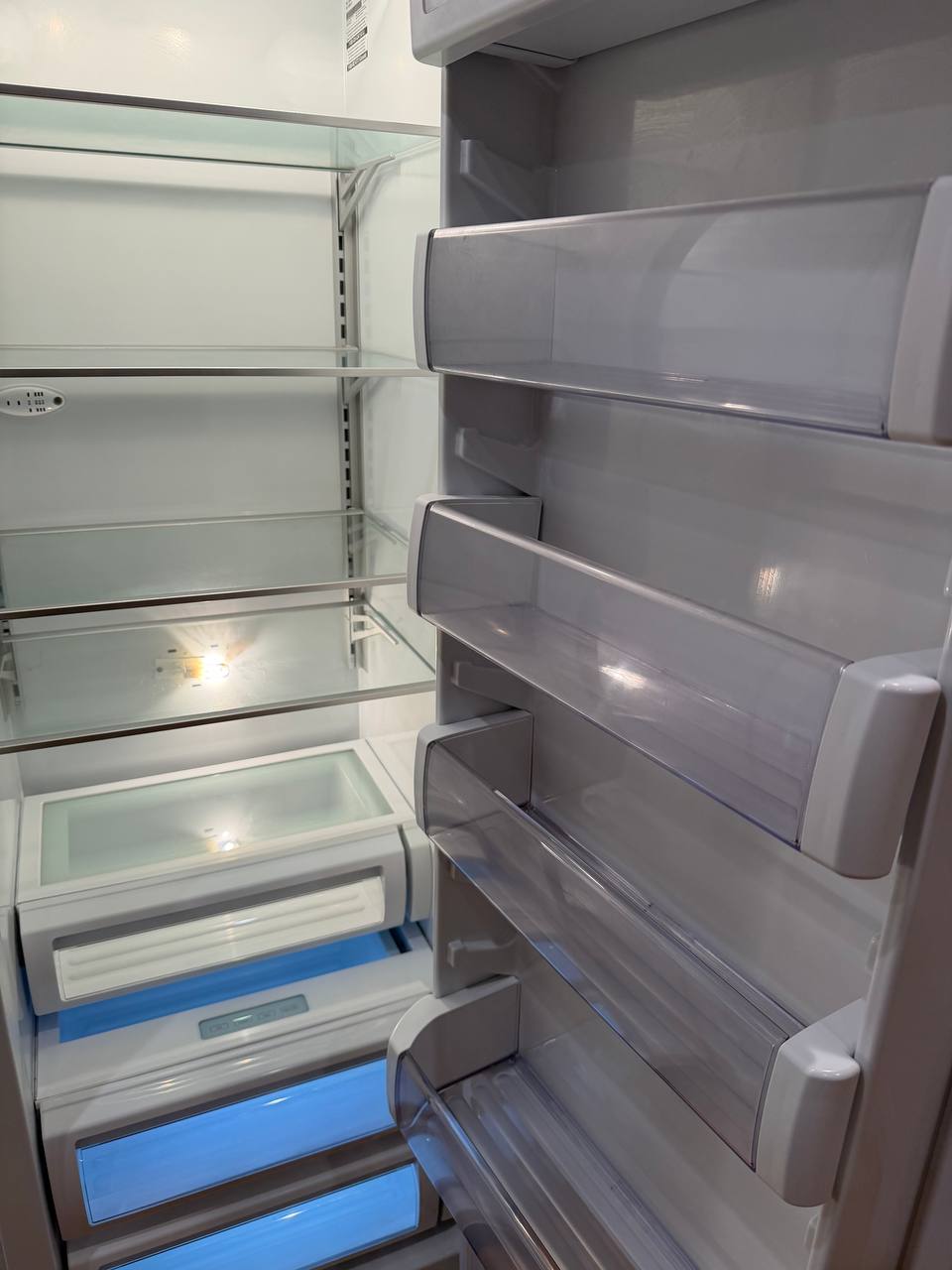
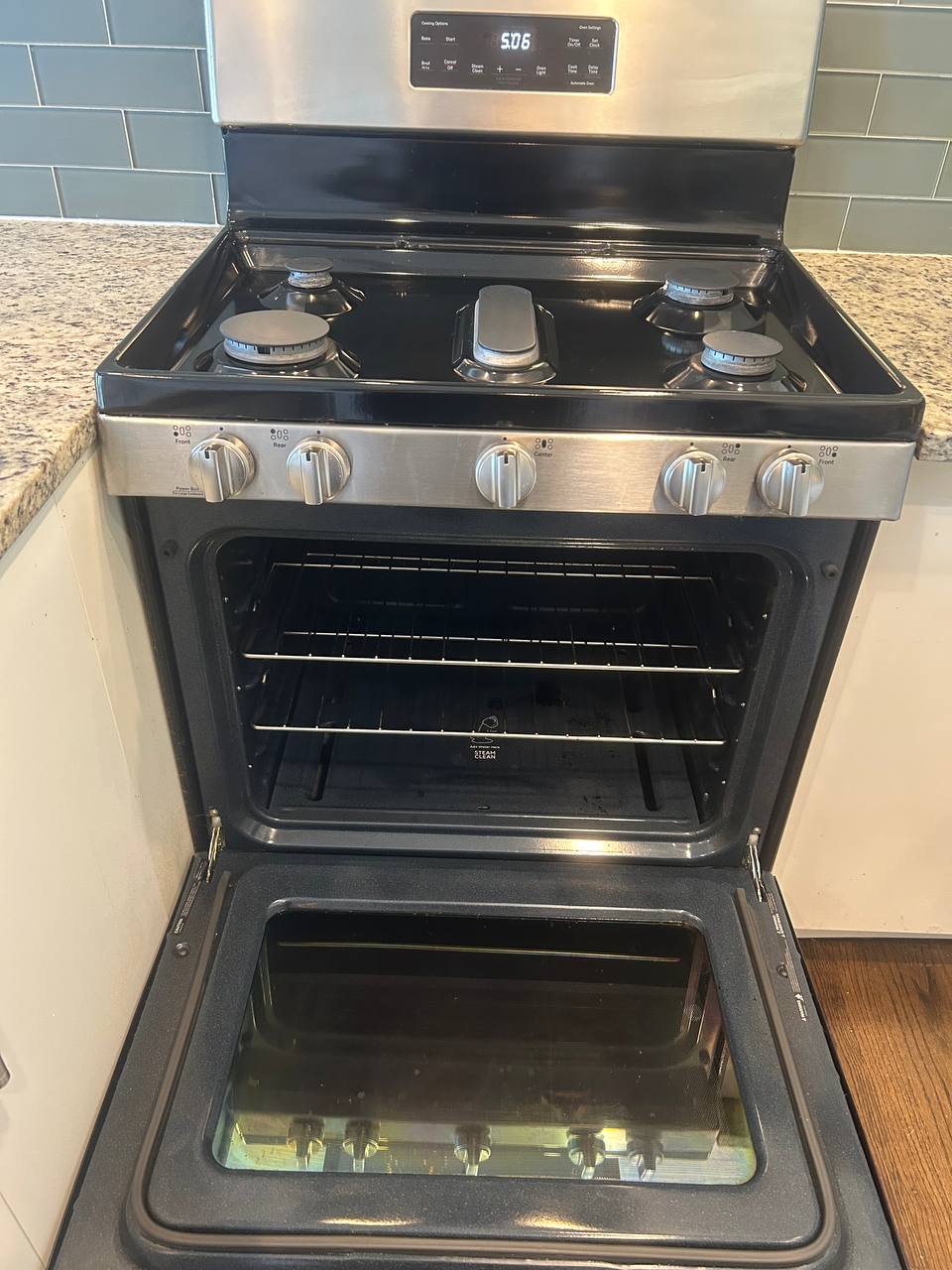
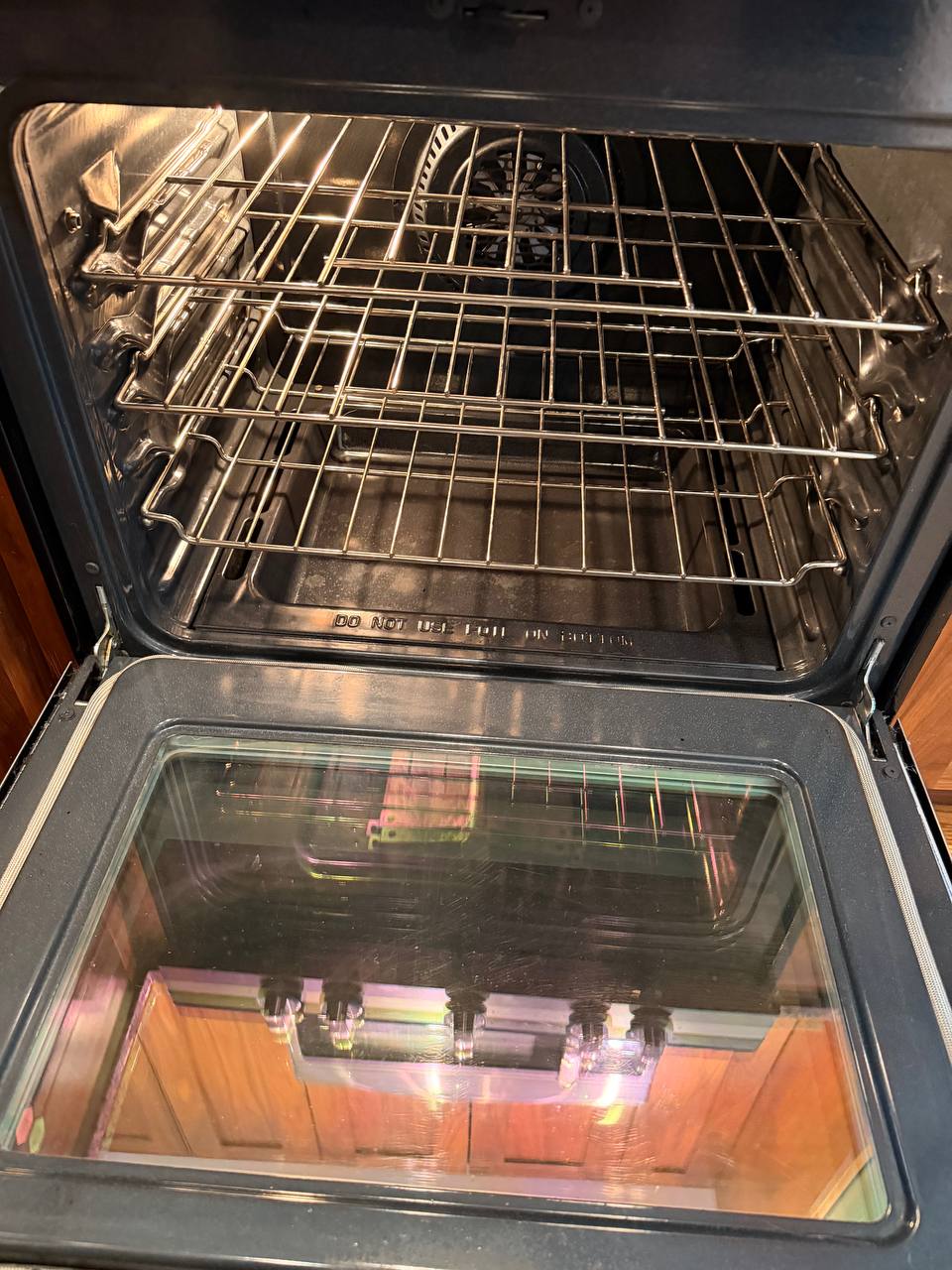
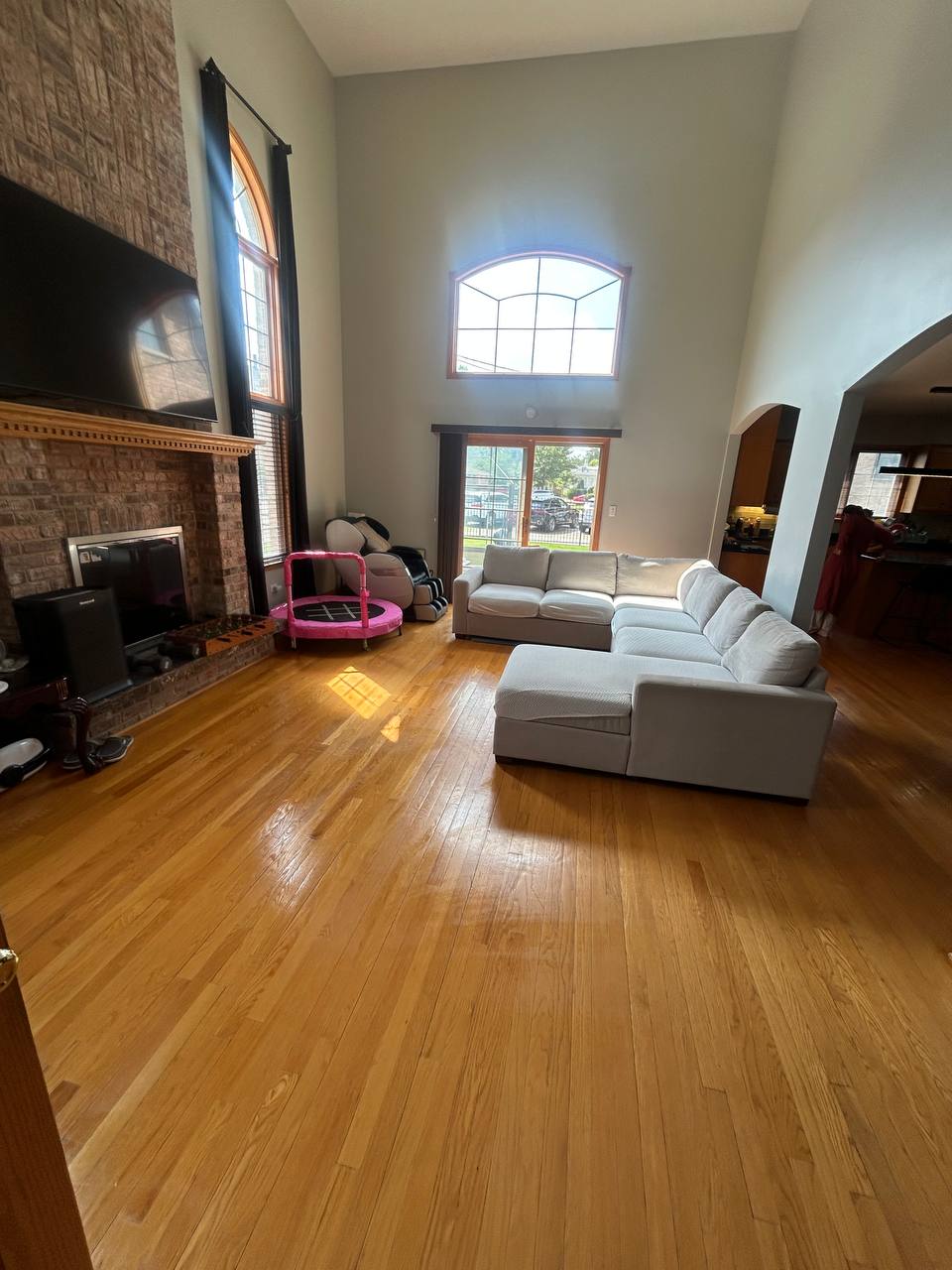

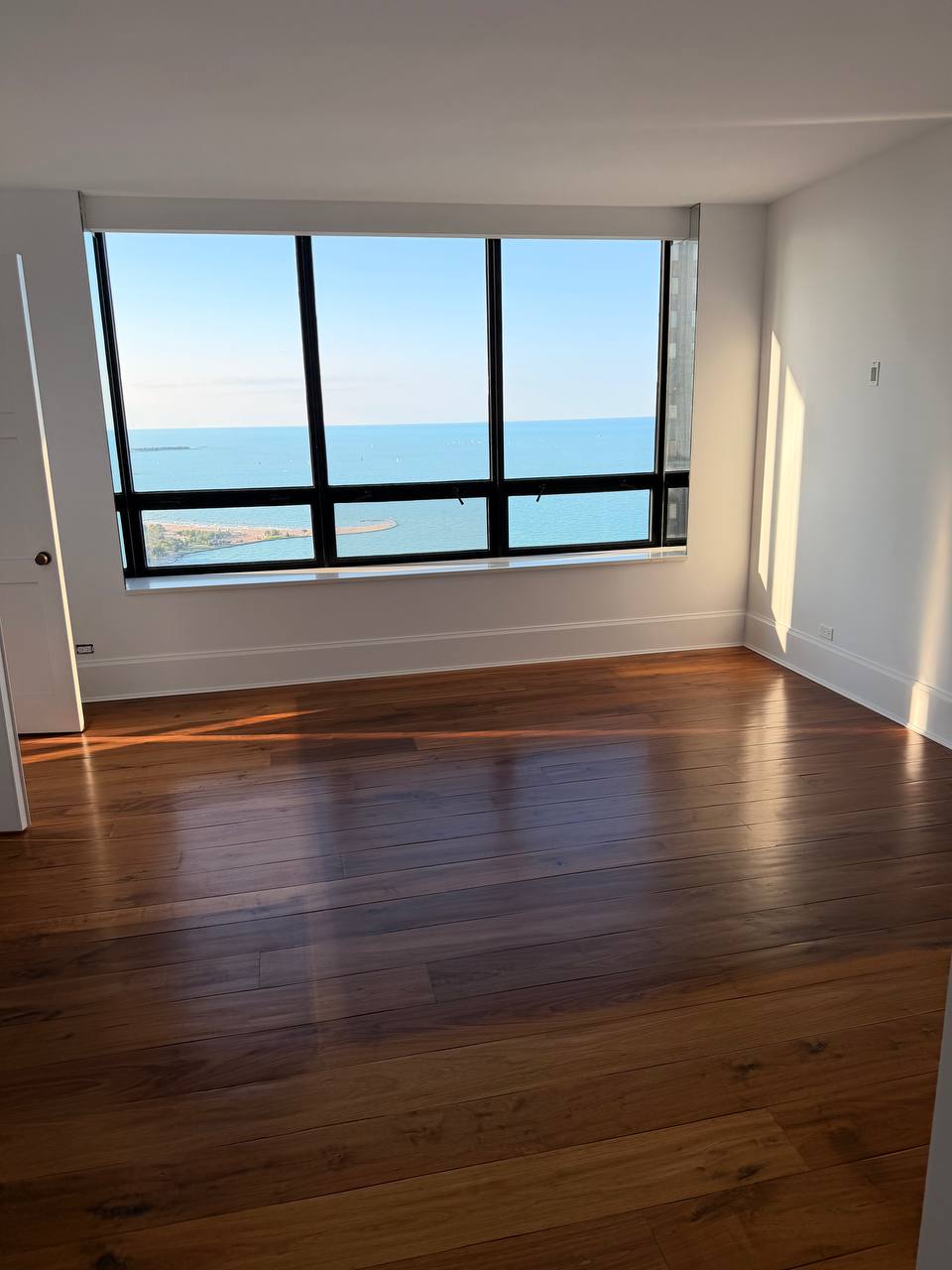


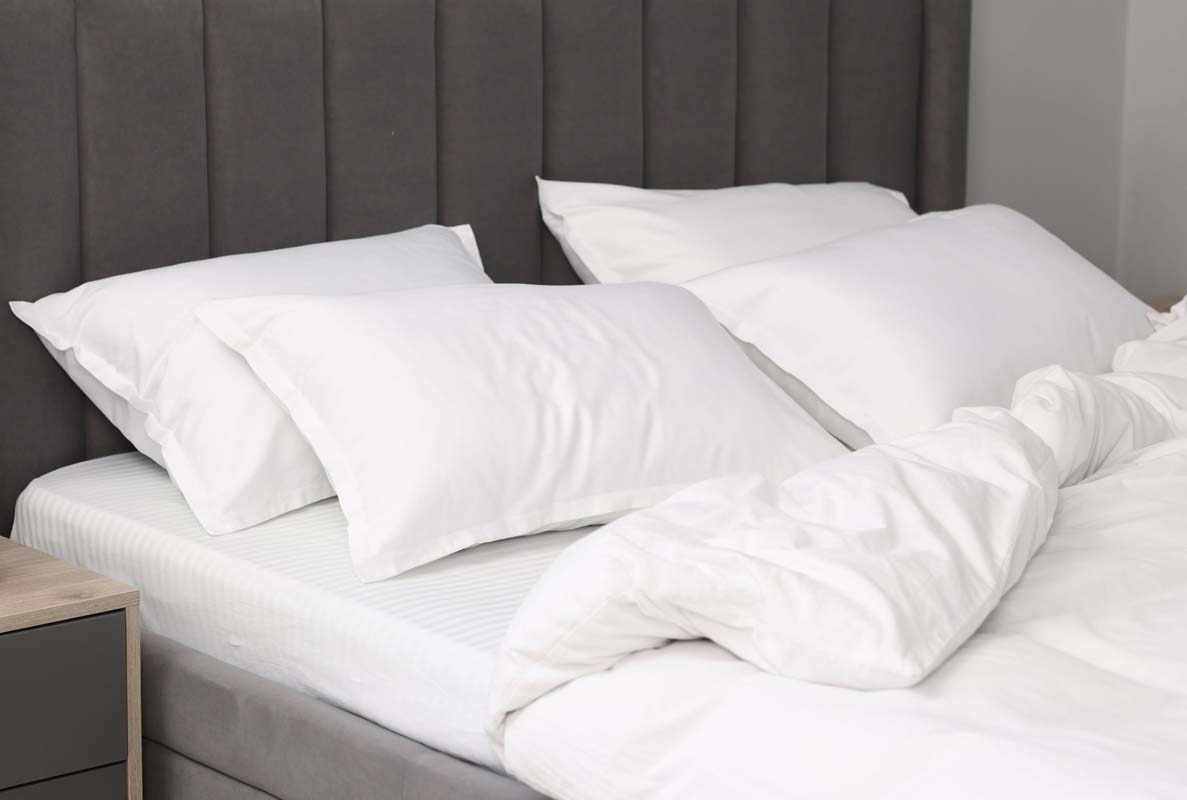



Keep your space fresh, clean, and stress-free with our full range of residential cleaning services in Chicago, IL. Whether you need routine maintenance, a deep clean, or move-in/move-out service, our expert team delivers spotless results every time.