People use the words "cleaning," "sanitizing," and "disinfecting" like they mean the same thing. They don't. And in the thousands of Chicago homes we've cleaned over the past 11 years, mixing them up is one of the most common reasons folks either waste money on products they don't need or, worse, leave their family exposed to germs they thought they'd killed.
Here's the good news: once you understand the difference between cleaning, sanitizing, and disinfecting, keeping a healthy home gets simpler, not harder. You'll stop reaching for harsh chemicals out of habit and start using the right tool for the job. Let me walk you through it the way I explain it to my own crew.
According to the CDC, these three words describe three different levels of germ control:
The EPA draws the same line, and it matters for a practical reason: disinfectants and sanitizers are regulated as pesticides because they're designed to kill living organisms. Cleaning products aren't. That difference tells you something important about when to reach for each one.
Here's the part that surprises most homeowners. You often don't need to disinfect at all. The CDC is clear that cleaning alone removes most harmful viruses or bacteria from surfaces. For a normal household — no one sick, no one immune-compromised — routine disinfecting is, in the CDC's words, likely not needed unless there are sick people in the home or someone who is at higher risk of getting sick.
Read that again, because it flips a lot of pandemic-era habits on their head. Wiping your kitchen counter with warm soapy water and a clean microfiber cloth does the vast majority of the work. The physical act of scrubbing and rinsing carries germs away. You don't need to douse every surface in disinfectant every single day, and doing so isn't free — it costs money, it can wear down finishes, and it exposes your household to more chemicals than necessary.
I tell clients this all the time. A spotless, well-cleaned home is a healthy home. Disinfecting is a targeted step you add on top when the situation calls for it — not a default.
If you take away a single technical detail from this article, make it this one. Disinfectants don't work the instant they touch a surface. They need contact time — also called dwell time or wet time — and the surface has to stay visibly wet for the entire time listed on the product label.
That's typically anywhere from 30 seconds to 10 minutes depending on the product and the germ. Spray, then walk away. If you spray a disinfectant and immediately wipe it dry, you've essentially just cleaned the surface — you have not disinfected it, no matter what the bottle promised. The chemistry needs those minutes of wet contact to actually kill the germs.
In practice, this trips up more people than any other step. Check your label, look for the phrase "contact time" or "let stand," and set a timer if you have to. If the surface dries before the time is up, re-apply so it stays wet. This is exactly the kind of detail our crews are trained on during our 75-point inspection process — it's the difference between looking clean and being clean.
Let me get practical. Here's how I'd think about it room by room in an ordinary household.
Floors, tables, windowsills, shelves, cabinet fronts, baseboards. Soap and water, an all-purpose cleaner, and a good microfiber cloth handle all of it. No disinfecting required. If you want to go the gentle route, our guide to green cleaning that actually works covers effective non-toxic options that clean just as well.
Kitchen counters where you prep raw meat, cutting boards, the sink, and dishes benefit from sanitizing after cleaning. A diluted sanitizer or a run through the dishwasher's hot cycle knocks germ counts down to a safe level without the heavier chemistry of a disinfectant.
Reach for a disinfectant when it genuinely matters:
The sequence matters too. Always clean first, then disinfect. Disinfectants work best on a surface that's already free of dirt and grime — organic gunk can actually shield germs from the chemical and reduce its effectiveness. So wipe down with soap and water, then apply your disinfectant and respect that contact time.
Because these three words get tangled together in advertising, a handful of myths follow them around. Let me knock down the ones I hear most in the field.
Nope. A strong chemical smell tells you a product is volatile, not that it's effective. Some of the best cleaning happens with plain soap, water, and a microfiber cloth that leaves almost no scent at all. Effectiveness comes from the right product used the right way — proper dilution, proper contact time, proper technique — not from how much your eyes water.
This is a big one. If a surface is visibly dirty, a single wipe mostly just smears the grime around, and it dries far too fast to hit the disinfectant's contact time. To actually disinfect with a wipe, you often need one wipe to clean, a second to apply enough product that the surface stays wet, and then patience while it dwells. One quick pass is not disinfecting.
For routine home use, plain soap and water works just as well as antibacterial products for cleaning, and it doesn't add antibacterial agents you don't need. Save the germ-killing chemistry for the situations that genuinely warrant it.
To make it concrete, here's roughly how the three levels show up across a normal week in a healthy home. Monday through Sunday, you're mostly just cleaning — counters wiped with soapy water, floors mopped, dust knocked down, bathrooms kept tidy. That everyday cleaning is doing the heavy lifting for your family's health, quietly and without drama.
Sanitizing shows up around food. The night you cook chicken, you clean the cutting board and counter, then sanitize the food-contact surfaces. The dishwasher's hot cycle sanitizes your dishes automatically. You're not thinking hard about it; it's just built into how you handle the kitchen.
Disinfecting is the occasional guest, not a permanent resident. It appears when your kid comes home with a stomach bug and you wipe down the bathroom high-touch points and let them dwell. It appears during a bad flu week when someone's coughing through the house. Then it recedes again once everyone's healthy. If you find yourself disinfecting every surface every day with no one sick, that's a habit worth reconsidering — both the CDC guidance and plain common sense say it's usually unnecessary.
Because disinfectants are stronger chemicals, they demand more respect. Ventilate the room, wear gloves if the label recommends it, and never — I mean never — combine products to make them "work better." Mixing bleach with ammonia or vinegar creates toxic gases that send people to the emergency room every year. We wrote a full breakdown on the cleaning products you should never mix, and it's worth five minutes of your time before you keep another disinfectant under the sink.
More product is not more protection. Following the label — the right dilution, the right contact time, good airflow — is what actually keeps your family safe.
Here's the simple mental model I'd love for you to walk away with:
You don't need a cabinet full of specialized products. You need to clean well, sanitize where food is involved, and disinfect with intention when the moment calls for it. If you want a top-to-bottom reset that gets every surface genuinely clean, our room-by-room deep cleaning checklist is a great place to start, and our deep cleaning service takes it off your hands entirely.
After more than 9,000 homes, I can promise you this: the households that stay healthiest aren't the ones drowning in disinfectant. They're the ones that clean consistently and disinfect wisely.
If keeping up with all of this feels like one more thing on an already-full plate, that's exactly what we're here for. Spotless Home Cleaners has served Chicago and 70+ surrounding suburbs for 11 years with a background-checked crew, eco-friendly products, and a 100% satisfaction guarantee. We know when to clean, when to sanitize, and when to disinfect — and we do it right. Call us now and book your cleaning today. Ask us about a deep cleaning to get your home to a truly healthy baseline.

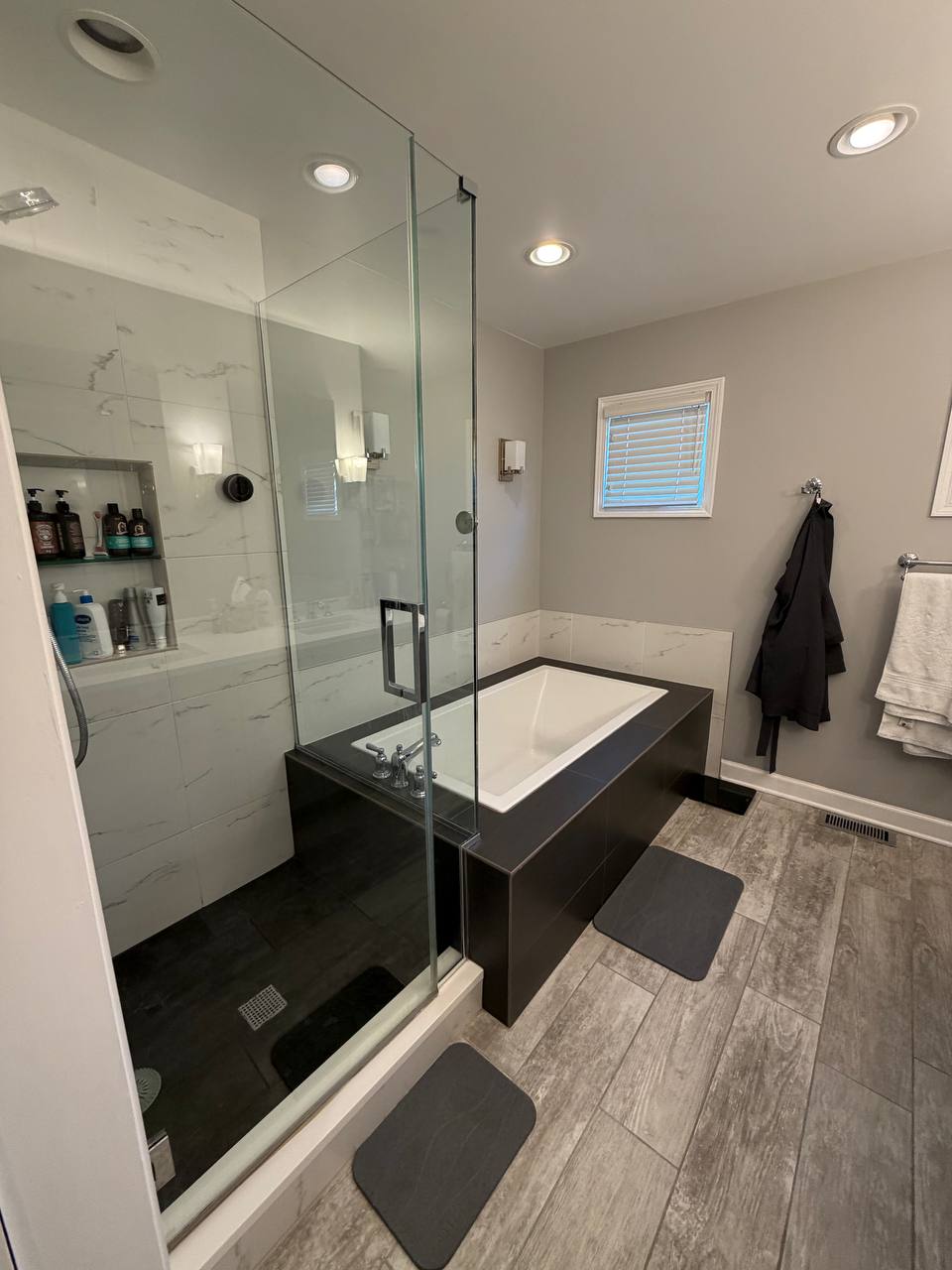
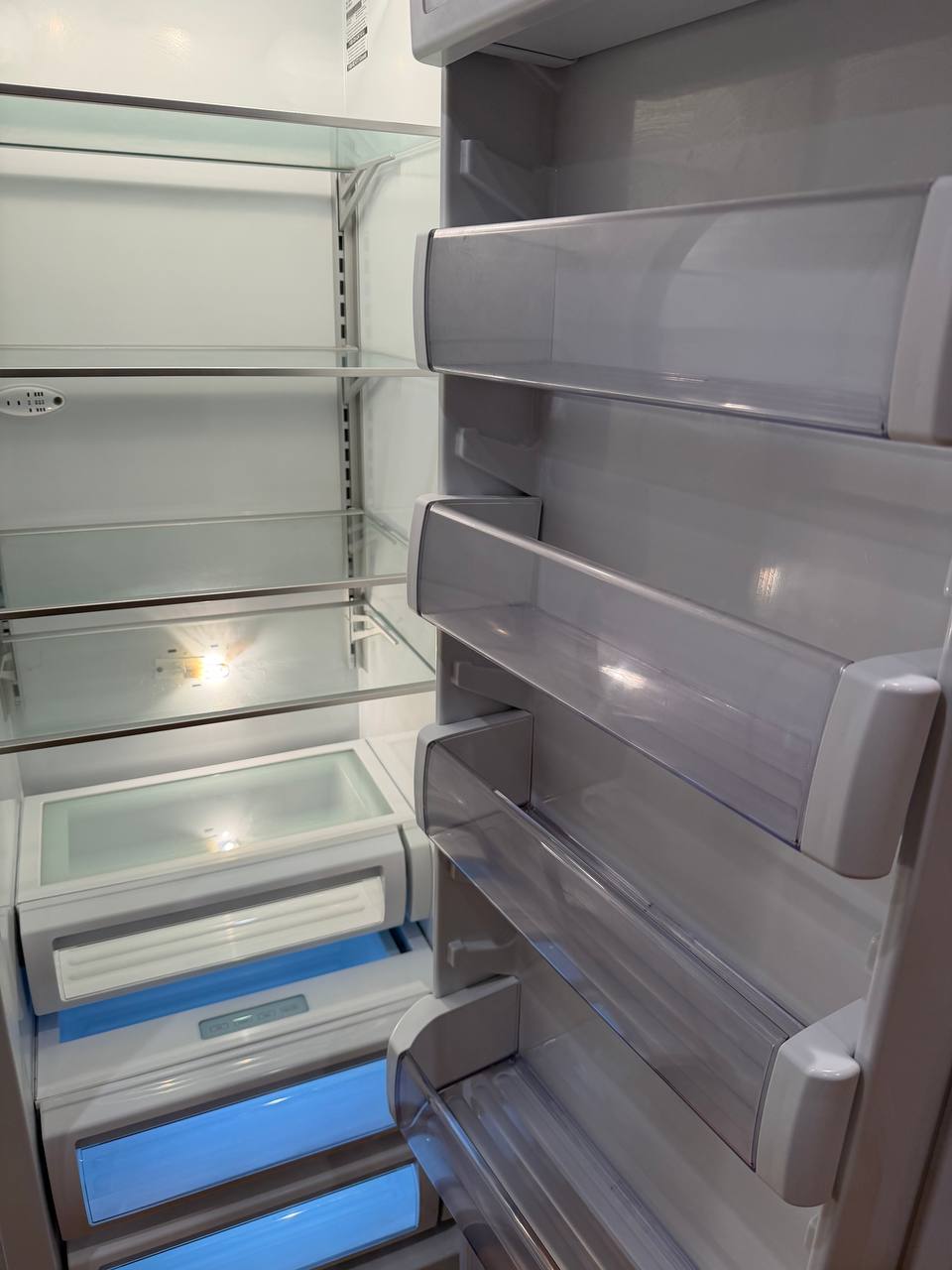
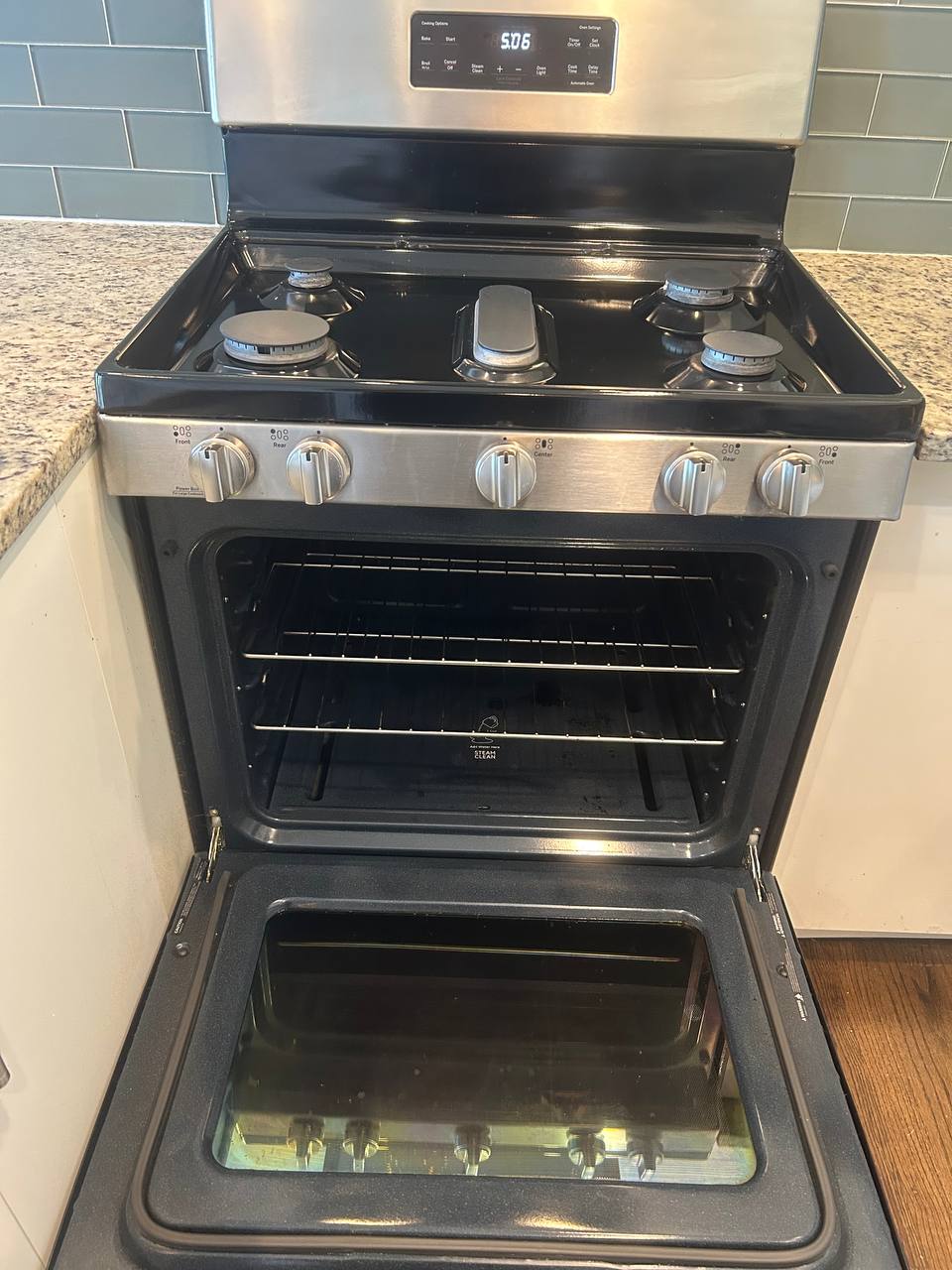
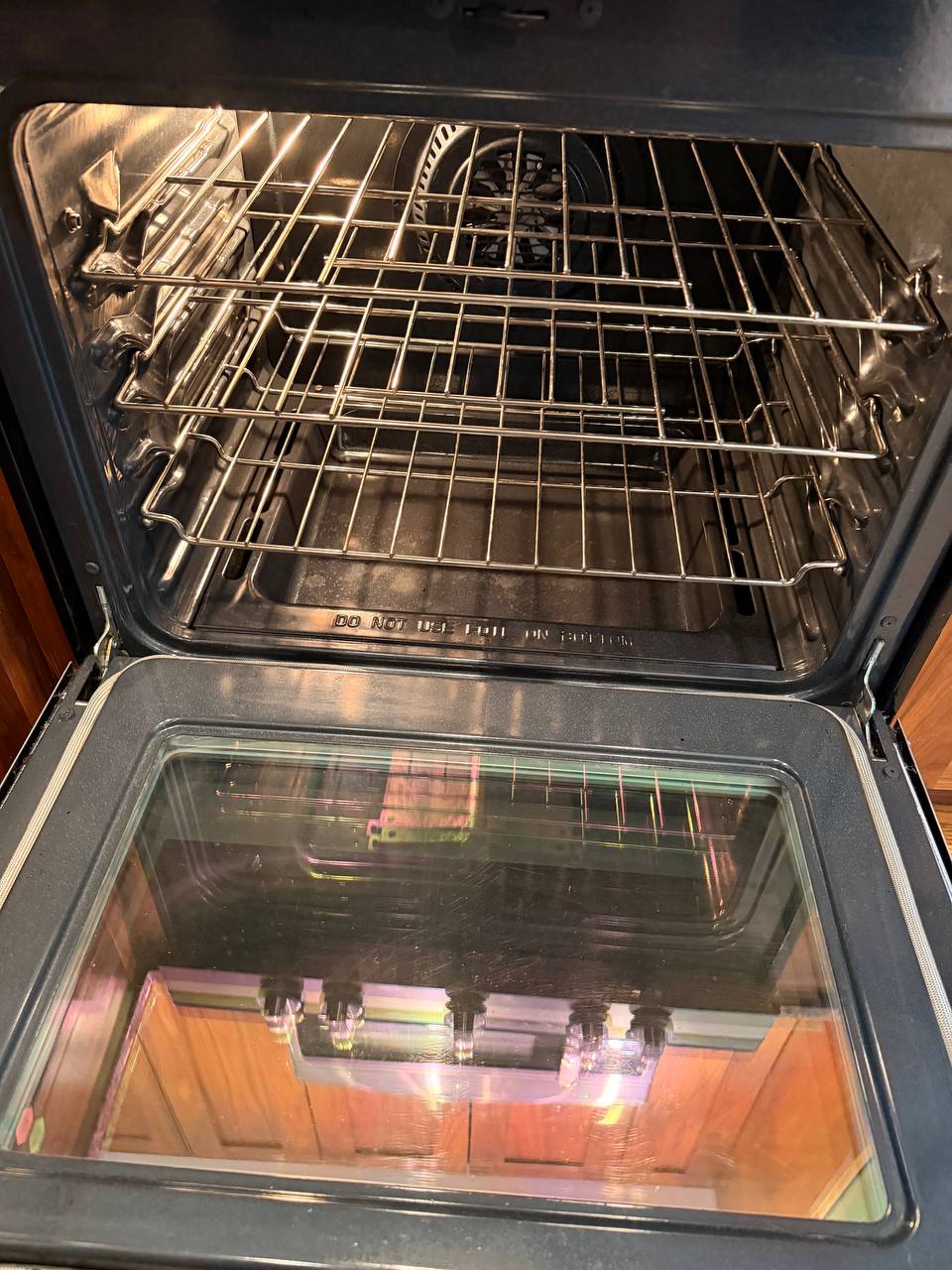
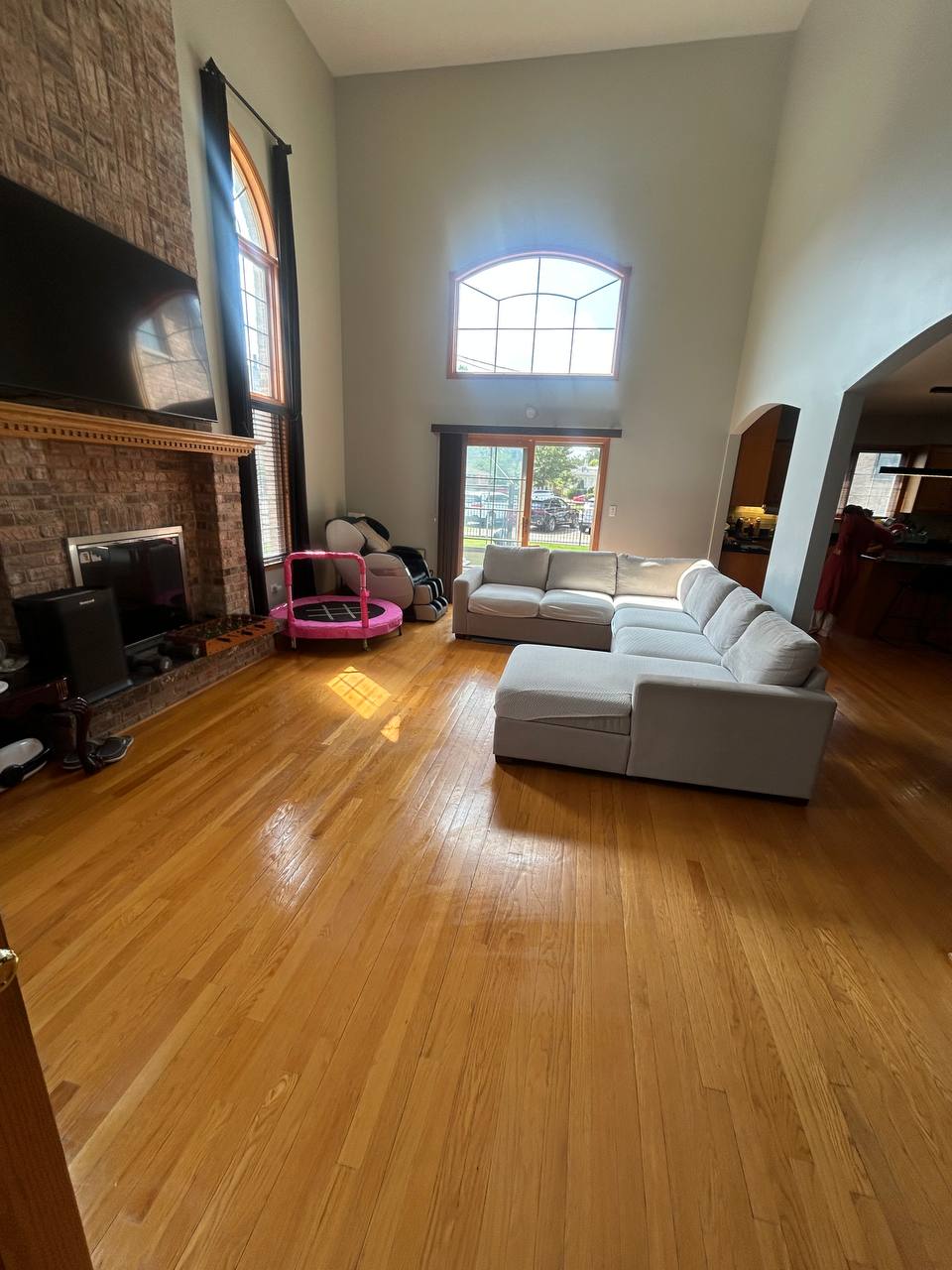
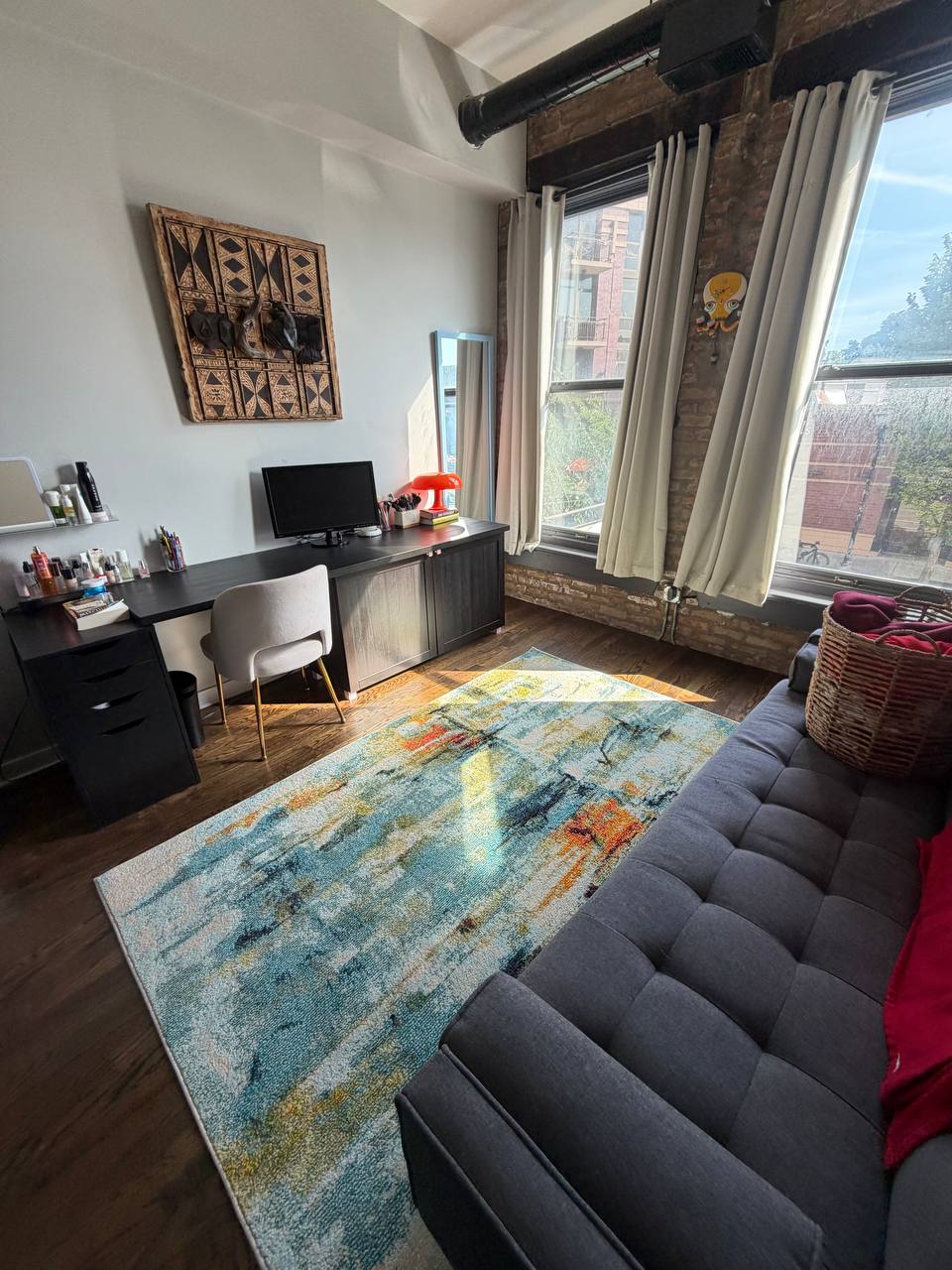





Keep your space fresh, clean, and stress-free with our full range of residential cleaning services in Chicago, IL. Whether you need routine maintenance, a deep clean, or move-in/move-out service, our expert team delivers spotless results every time.