Ask most people how to deal with mold and they'll say the same thing: bleach it. I understand the instinct — bleach feels decisive, like you're nuking the problem. But after cleaning more than 9,000 homes, including plenty of damp Chicago basements, I can tell you that reaching for bleach is usually solving the wrong problem. Mold isn't really a bleach problem. It's a moisture problem. And until you fix the moisture, no amount of scrubbing will keep it from coming back.
This article walks through why mold matters for your health, why moisture control is the real key to mold prevention in your home, and how to handle the mold you do find without turning your bathroom into a chemistry experiment.
This article is for general information and isn't medical advice. If you have health concerns related to mold, consult a doctor or a qualified professional.
Mold isn't just an eyesore or a musty smell. According to the EPA, molds can cause allergic reactions in sensitive people, and exposure can trigger asthma attacks in individuals who are allergic to mold. Even in people without allergies, mold can irritate the eyes, skin, nose, throat, and lungs.
The CDC echoes this: exposure to damp and moldy environments can cause a range of health effects, from nasal stuffiness and throat irritation to coughing, wheezing, eye irritation, and skin irritation. People with mold allergies or compromised immune systems, and those with chronic lung conditions, can have more serious reactions.
In other words, that patch of mold in the corner of the bathroom or along a basement wall isn't only cosmetic. For anyone in the home with allergies or asthma — and in Chicago, that's a lot of us — it can be a genuine trigger. That's reason enough to deal with it properly rather than just painting over it.
Here's the line I wish every homeowner had taped to their utility room wall. The EPA puts it as plainly as it can: "The key to mold control is moisture control."
Mold spores are everywhere — indoors, outdoors, floating through the air, riding in on your clothes. You cannot eliminate them, and you don't need to. What mold requires to actually grow and colonize is moisture. Take away the water, and mold simply can't establish itself. That's the whole game. Everything else is downstream of controlling water.
So what does moisture control actually look like day to day?
Basements deserve special attention around here — our muggy summers turn them into mold-friendly zones fast. If that's your situation, we go deeper in preventing basement mold in Chicago summers.
Now to the misconception that started this whole article. You do not have to bleach mold to clean it up properly. For routine mold on hard surfaces, the CDC says you can scrub it off using detergent and water, then dry the surface completely. Bleach isn't required for ordinary cleanup.
The EPA takes the same position. Its guidance is to clean up mold on hard surfaces with commercial products, soap and water — and it specifically notes that using bleach is not recommended as a routine practice during mold cleanup. Detergent and a good scrub, followed by thorough drying, gets the job done on non-porous surfaces.
Why does this matter? Because bleach comes with real downsides: harsh fumes, potential damage to surfaces, and the very real danger of mixing it with the wrong product. (Never combine bleach with ammonia or other cleaners — we explain exactly why in cleaning products you should never mix.) On top of that, bleach doesn't fix the underlying moisture problem, so if that's all you do, the mold comes right back. We dig into the specifics of what bleach can and can't do in does bleach kill mold — here's what you need to know.
So skip the reflex. Detergent, water, elbow grease, and — most importantly — fixing whatever let the moisture in.
Part of prevention is knowing where to look before a small problem becomes a big one. In the homes we clean, mold almost always shows up in the same handful of damp, poorly ventilated spots. Check these regularly:
A musty smell with no visible mold is a clue worth chasing. That odor usually means mold is growing somewhere out of sight — behind a wall, under flooring, inside a cabinet — and it's telling you to go looking for a moisture source.
There's a practical limit to DIY here, and the EPA gives a useful rule of thumb. If the moldy area is smaller than about 10 square feet — roughly a 3-foot by 3-foot patch — a homeowner can usually handle the cleanup themselves with detergent and water, according to the EPA.
Beyond that, the calculus changes. Larger infestations, mold in your HVAC system, or contamination from sewage or dirty water warrant bringing in a professional remediation service. Big jobs release a lot of spores and require containment, protective equipment, and expertise to do safely. If you're staring at a wall covered in mold, that's not a Saturday project — call a pro.
When you do clean a smaller area yourself, protect yourself: wear gloves, an N-95 mask, and eye protection, open a window for ventilation, and dry the surface fully when you're done.
The best mold cleanup is the one you never have to do. A few habits keep mold from getting a foothold in the first place:
None of this is glamorous, but it's the real work of mold prevention. Control the water, and you control the mold.
I want to single out one more habit, because it's so common and so counterproductive. When people see mold on a wall or ceiling, the tempting shortcut is to grab a can of paint — even mold-resistant paint — and cover it up. It looks solved for a few weeks. Then it bleeds right back through.
Painting over mold does nothing to the mold underneath, and nothing to the moisture feeding it. You've just hidden the symptom while the cause keeps working. The mold continues to grow beneath the paint, keeps releasing spores, and keeps affecting the air. The only real fix is the boring one: remove the mold, and remove the water source that's letting it live there. Cosmetics come last, after the moisture problem is actually solved.
The same logic applies to air fresheners and "odor eliminators" masking a musty smell. If your home smells damp, that smell is data. Track down the moisture instead of covering the scent.
Chicago's climate makes all of this more pressing than it would be in a drier place. Our humid, storm-heavy summers push indoor humidity up, and our freeze-thaw winters open small gaps that let water seep into basements and around windows. That combination gives mold two seasons a year to try its luck. Staying ahead of it here isn't paranoia — it's just what living in this climate asks of a homeowner.
Sometimes moisture and grime have gotten ahead of you, especially in bathrooms, basements, and homes that have sat empty. That's where a professional deep clean earns its keep — getting every surface genuinely clean and dry gives you a fresh baseline to maintain. Spotless Home Cleaners has spent 11 years cleaning Chicago and 70+ surrounding suburbs, and our deep cleaning service is built for exactly these situations, using eco-friendly products and backed by our 100% satisfaction guarantee.
Get your home to a clean, dry starting point, keep the moisture in check, and mold loses its grip. Call us now and book your deep cleaning today — your lungs will thank you.



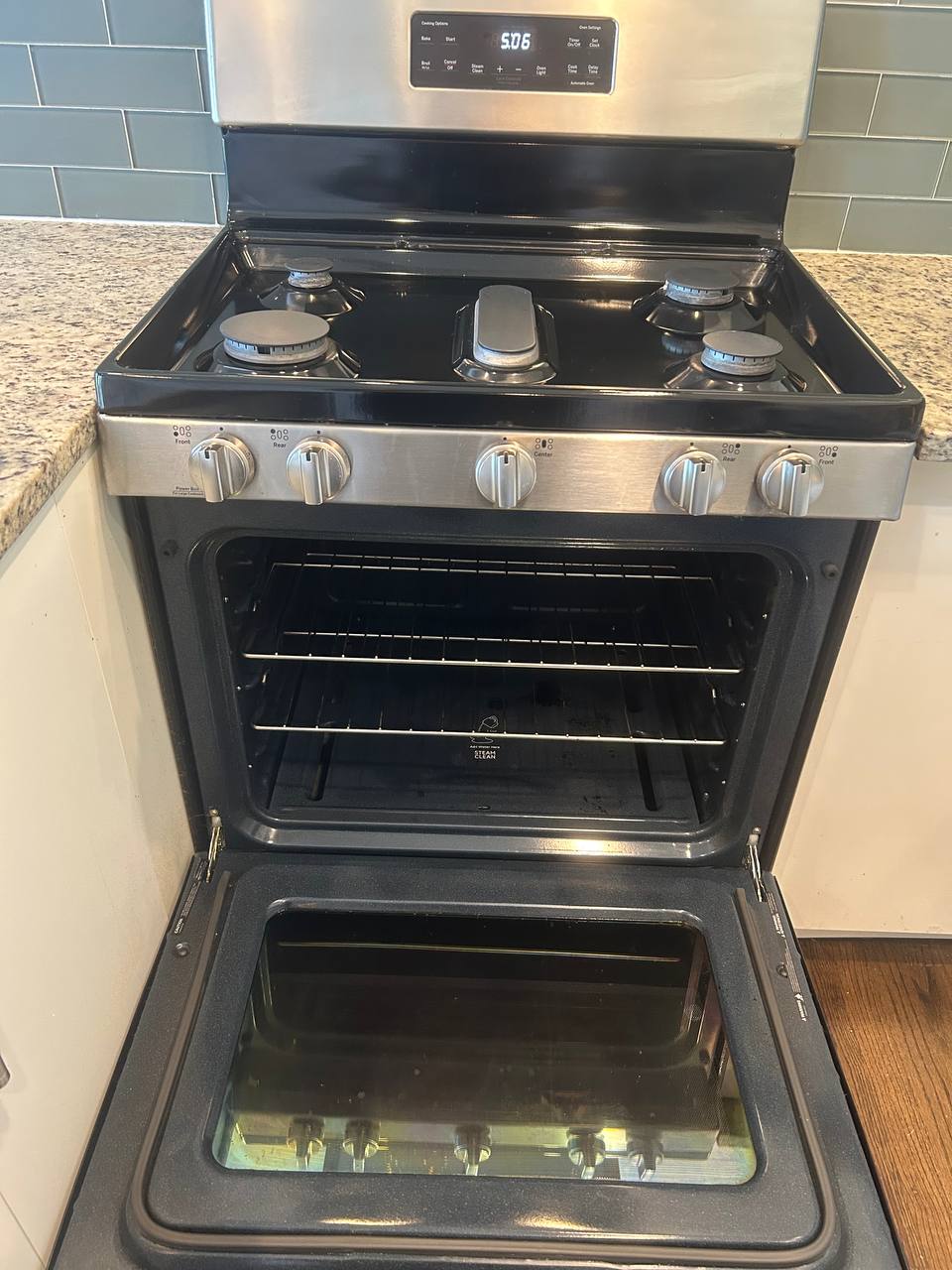
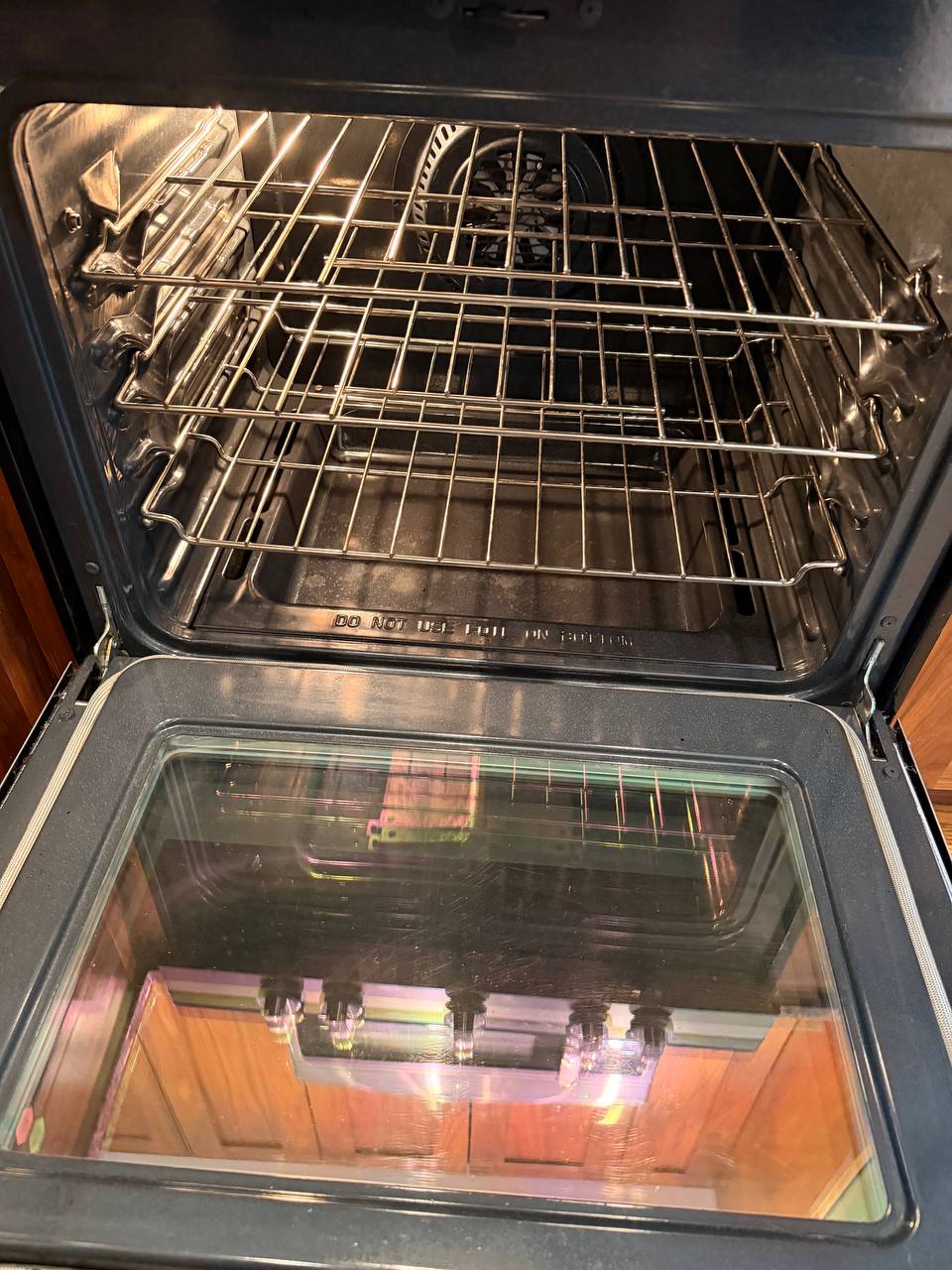
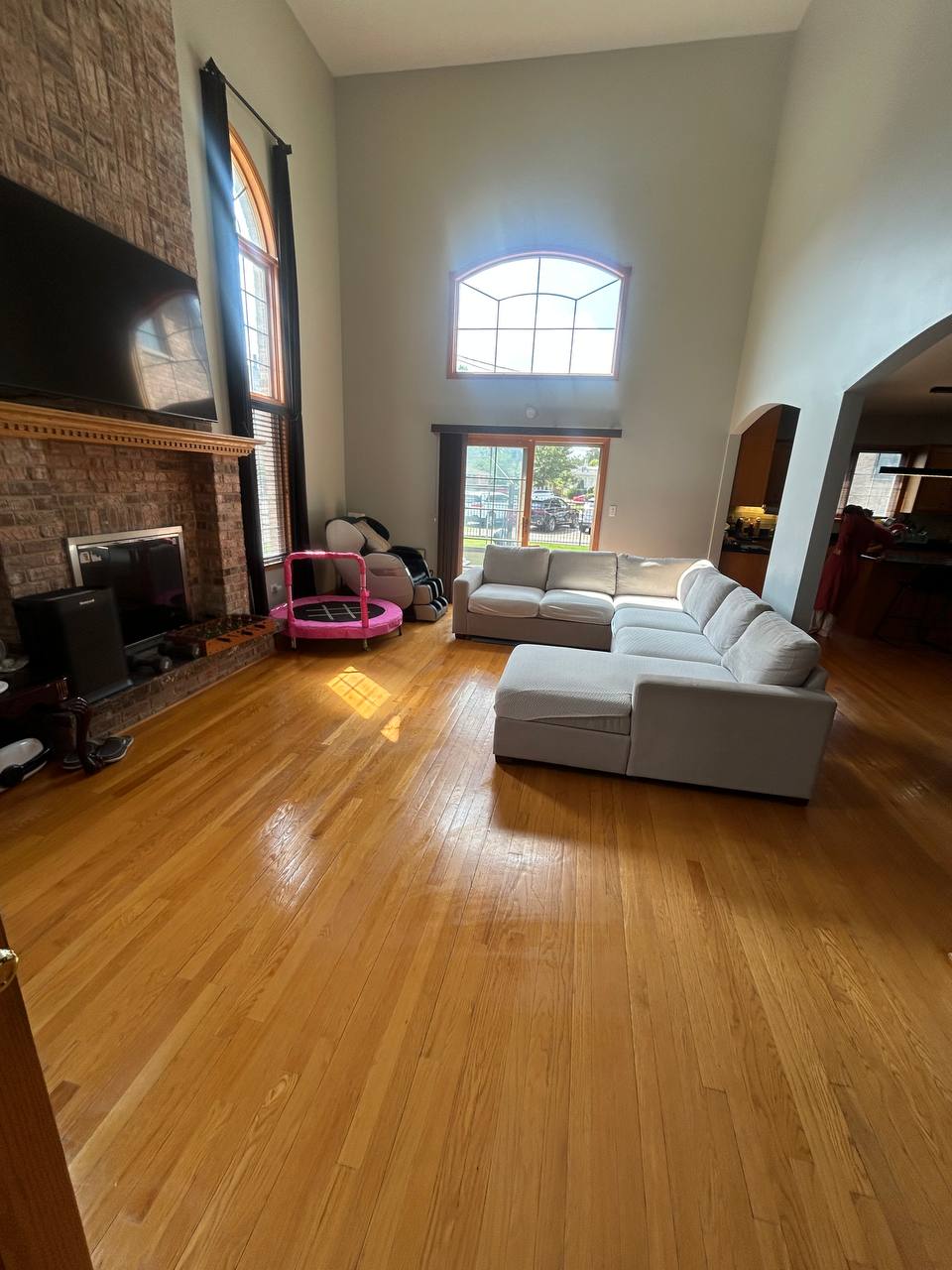
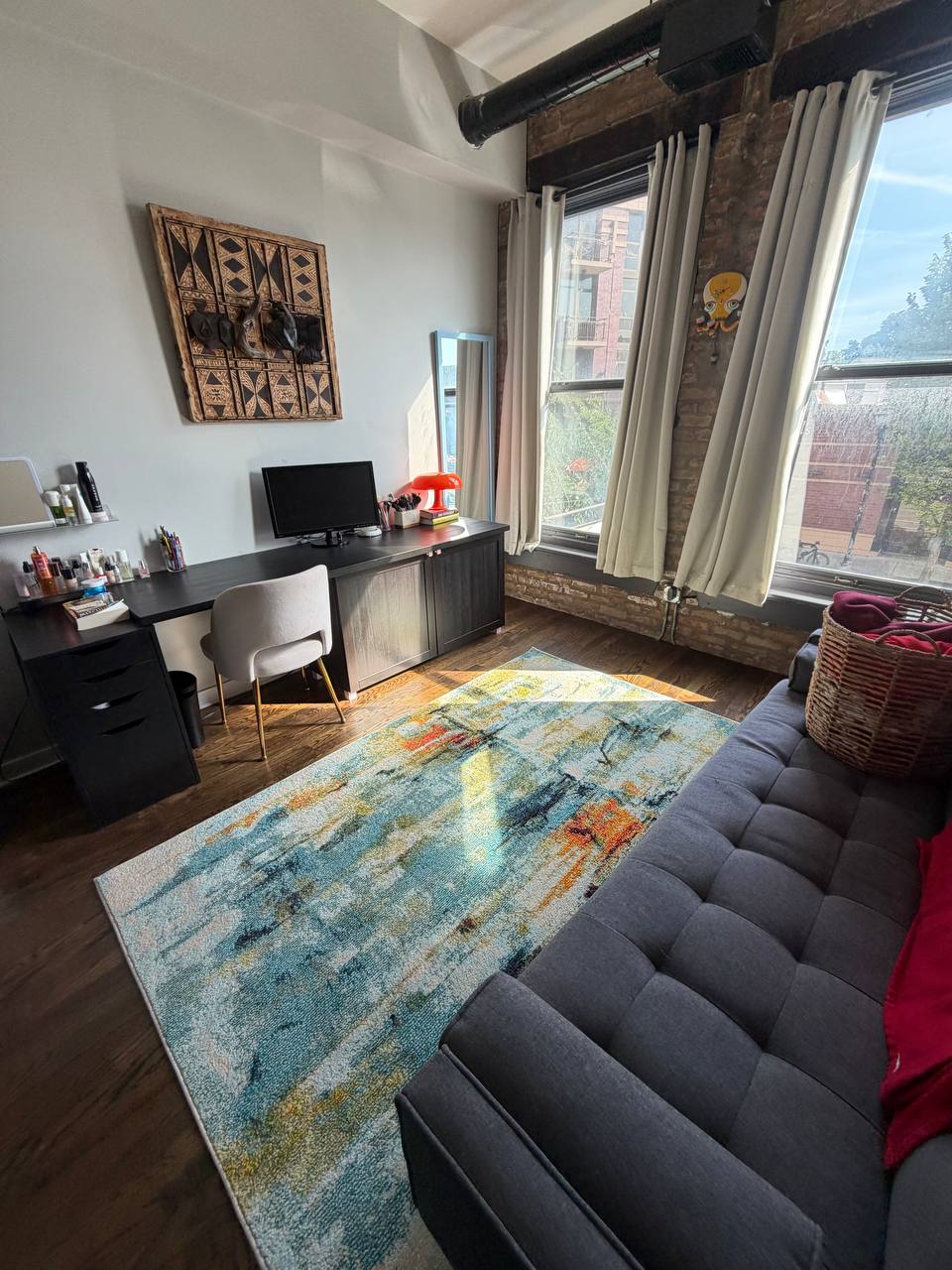





Keep your space fresh, clean, and stress-free with our full range of residential cleaning services in Chicago, IL. Whether you need routine maintenance, a deep clean, or move-in/move-out service, our expert team delivers spotless results every time.