Ask any Chicagoan with allergies and they'll tell you: our allergy season doesn't politely wait for spring. It sneaks in during the last gray weeks of winter and hangs on well into fall. I've cleaned homes across Chicago and its suburbs for more than a decade, and I've watched countless families fight the same losing battle — treating symptoms with tissues and antihistamines while pollen quietly rides in on shoes, clothes, and open windows and settles into every soft surface in the house.
The thing is, you can't control what's blooming outside, but you have a lot of control over what makes it indoors and how long it lingers. This guide maps the Chicago-area pollen calendar month by month and pairs it with the cleaning tactics that actually keep indoor allergens down — so you can stay a step ahead from February all the way to the first frost.
Chicago-area allergists report a pollen season that runs in overlapping waves. Knowing which allergen is peaking helps you know when to ramp up your cleaning:
The takeaway: from February to first frost — roughly three seasons out of four — something is usually in the air around Chicago. That's a long stretch, which is exactly why an allergen-aware cleaning routine beats reacting to symptoms. The specific dates shift a little year to year with the weather — a warm February can pull tree pollen forward, and a late first frost can stretch ragweed well into October — but the overall shape of the season is remarkably consistent. Watching a local pollen forecast during the peak windows takes the guesswork out of it and tells you which days to seal up and clean harder.
Here's a truth that took me years in the field to fully appreciate: you can't out-medicate a dirty house during allergy season. Pills and sprays treat your symptoms, but they do nothing about the pollen sitting on your windowsill, ground into your rug, and clinging to your pillowcase. Every time you sit down, walk across the room, or shake out a blanket, you stir those settled allergens right back into the air you breathe.
That's the whole case for allergen-focused cleaning. It attacks the problem at the source — removing the pollen and dust from your home rather than just dulling your body's reaction to it. And because so many of us keep windows open, come and go all day, and share our homes with pets, indoor pollen levels can climb surprisingly high even when you rarely go outside. Consistent cleaning is what keeps that load down.
Here's the encouraging news: the same handful of cleaning habits work against every allergen on that calendar, whether it's February tree pollen or September ragweed. These allergen-control tactics come straight from the leading respiratory-health authorities — the Asthma and Allergy Foundation of America and the American Lung Association.
The cheapest, most effective tactic isn't cleaning at all — it's preventing pollen from getting inside in the first place. Adopt a shoes-off policy and put a good mat at every entrance so grit and pollen come off before they're tracked across your floors. In the thousands of Chicago homes we've cleaned, a shoes-off household is visibly cleaner than an identical one where everyone keeps their shoes on — and that difference is even bigger during pollen season. Change out of clothes worn outside on high-pollen days, and don't let pets that have been outside jump straight onto the bed or couch. If you've spent a long stretch outdoors on a high-count day, a quick shower and hair rinse before bed keeps you from carrying a day's worth of pollen onto your pillow.
I know how tempting it is to throw the windows open on the first warm April day. But on high-pollen days, open windows invite the entire outdoors into your living room. Keep them closed when counts are high, and run your air conditioning instead — it filters and recirculates rather than pulling raw pollen in. Check a daily pollen forecast during peak weeks so you know which days to seal up.
This is the mistake I see most often. Dry dusting and feather dusters don't remove allergens; they launch them into the air, where you breathe them in and they resettle somewhere else. Always dust with a slightly damp microfiber cloth, which traps and holds the particles. Wipe down windowsills and tracks especially — that's where pollen piles up after it drifts in — along with shelves, blinds, and other flat surfaces where dust settles.
Carpets, rugs, and upholstery are allergen reservoirs. A vacuum with a HEPA filter captures the fine pollen and dust particles instead of blasting them back into the room through the exhaust, which is what ordinary vacuums do. Go slowly, make more than one pass over high-traffic areas, and vacuum more often during peak weeks. Don't overlook the upholstered furniture and the fabric edges of area rugs, which hold onto allergens just as stubbornly as carpet does. Hard floors are easier — a damp mop picks up what settles, whereas a dry sweep just scatters it.
You track pollen into bed on your hair and skin, and then breathe it for eight hours a night. Washing your bedding weekly in hot water removes pollen along with dust mites and dander — a double win, since dust mites are a year-round trigger layered on top of seasonal pollen. If you want the full rundown on frequency and technique, see our guide to how often you should wash your sheets. And for the year-round dust-mite side of the equation, our guide to reducing dust mites and allergens goes deeper.
Your furnace and AC filter is your home's lungs. During allergy season it's working overtime, and a clogged filter can't catch much. Check it monthly during peak periods and replace it on schedule — a higher-MERV filter captures finer particles, as long as your system is rated to handle it. This one small task quietly cleans the air in every room.
Beyond the big jobs, a few spots deserve extra attention during peak weeks because pollen concentrates there. Entryway floors and mats collect whatever comes in on shoes — clean them often. Window tracks and screens trap drifting pollen, so wipe them down when you can. Pet bedding is a hidden reservoir, since dogs and cats carry pollen in on their fur; wash it regularly. And ceiling fans and the tops of door frames gather a surprising amount of settled dust that gets flung back into the air the moment you turn the fan on — damp-wipe them before you switch to fan season.
Put the calendar and the tactics together and you get a simple, season-by-season game plan:
Because so much of this is about the air itself, it pairs naturally with the bigger picture. Our guide to indoor air quality and cleaning covers how your cleaning habits — and even your product choices — shape the air you breathe, and our Chicago seasonal cleaning calendar folds these allergy-season tasks into a full year of home care.
This article is for general information and isn't medical advice; if allergies or asthma are seriously affecting you, consult a healthcare professional or allergist.
An allergen-aware home takes consistent, thorough cleaning — week in and week out, through every wave of the Chicago pollen calendar. That's what we do. For 11 years, our background-checked crews have used HEPA vacuums, eco-friendly products, damp-dusting methods, and a 75-point inspection to keep Chicago-area homes genuinely clean, not just tidy. If sneezing season has you worn down, let us take the cleaning off your plate. Call us now and get in touch to book a visit, or learn more about our standard cleaning service. We serve Chicago and 70-plus surrounding suburbs — from the first February pollen to the first hard frost.



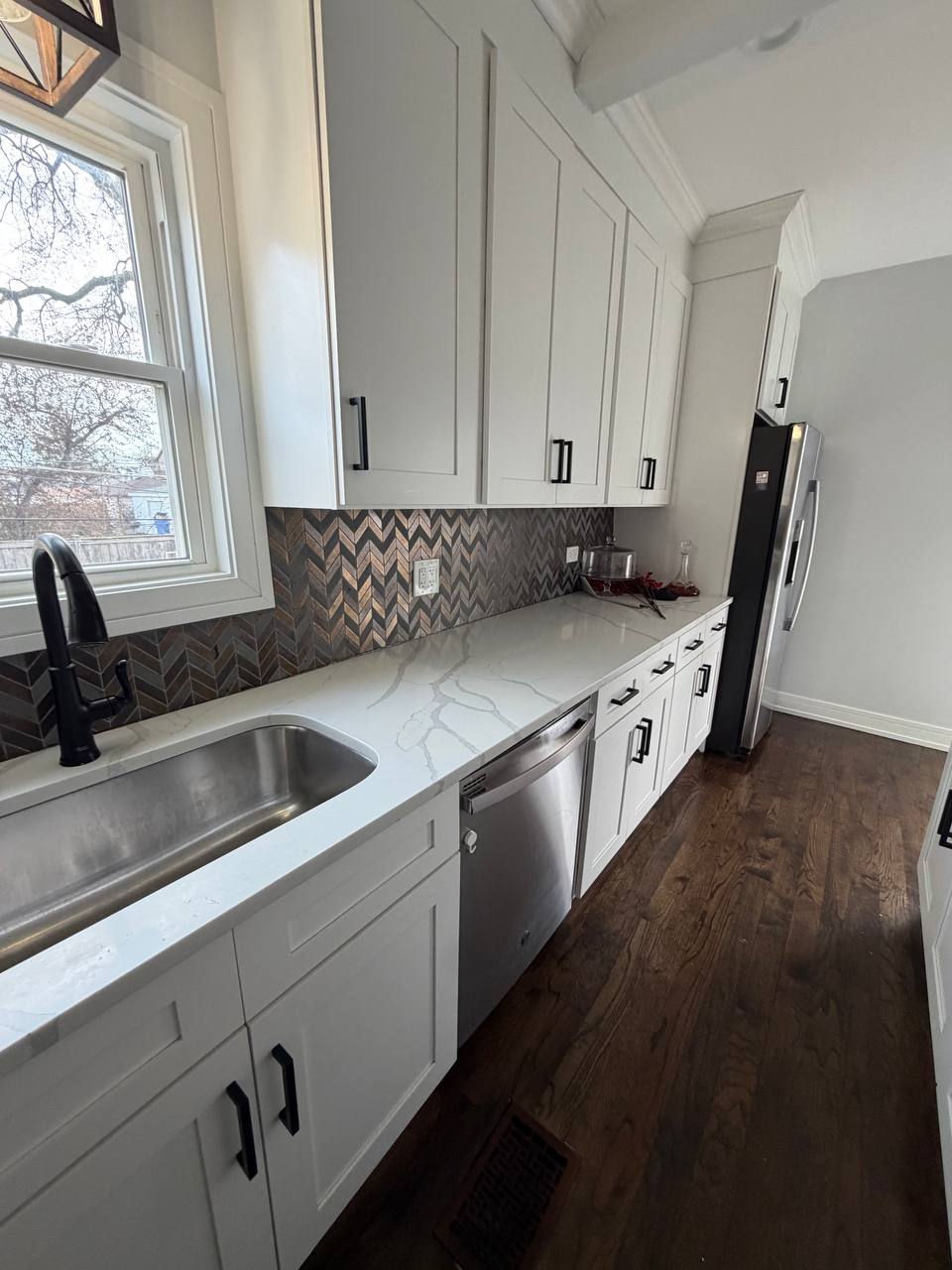
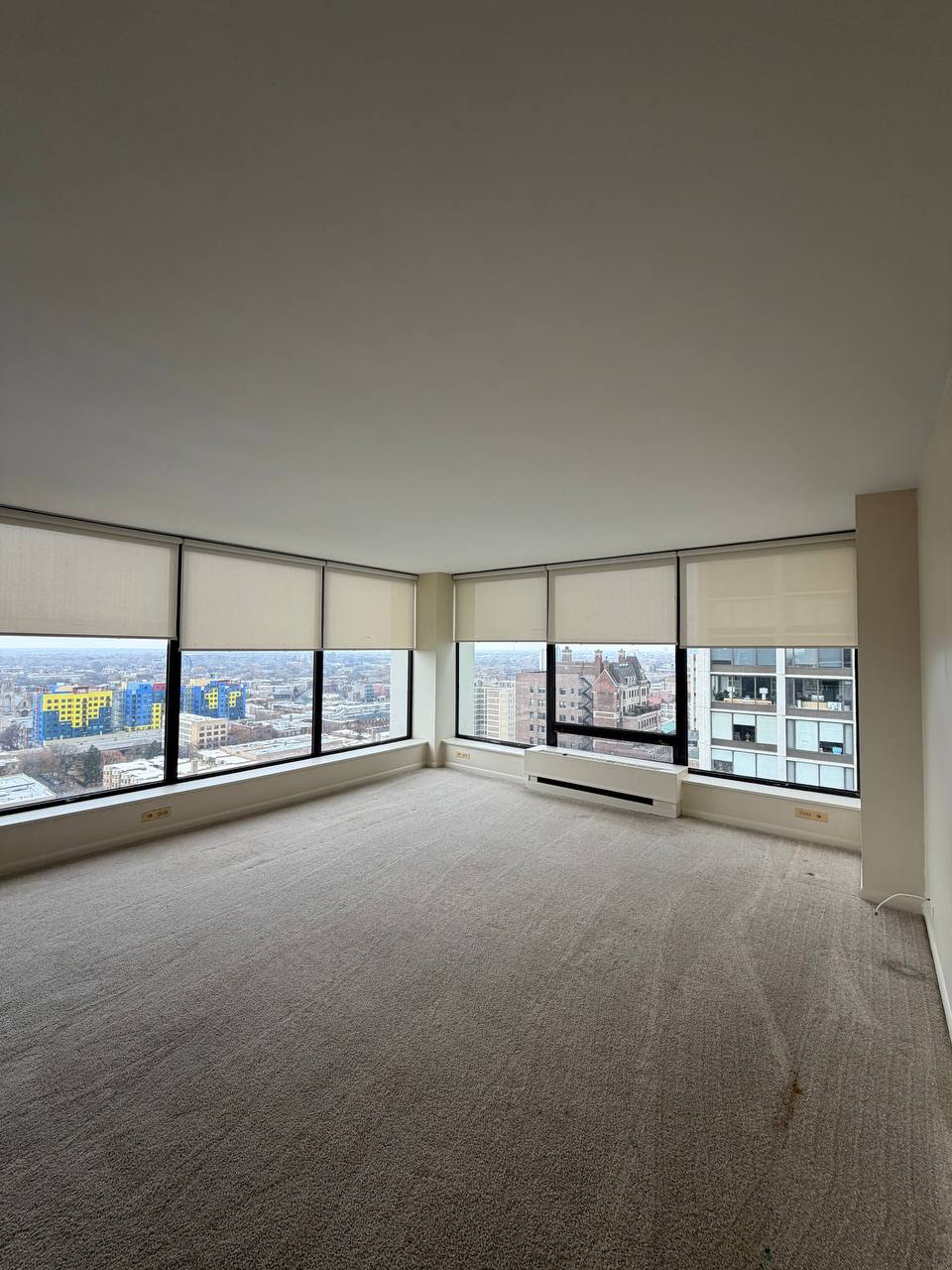
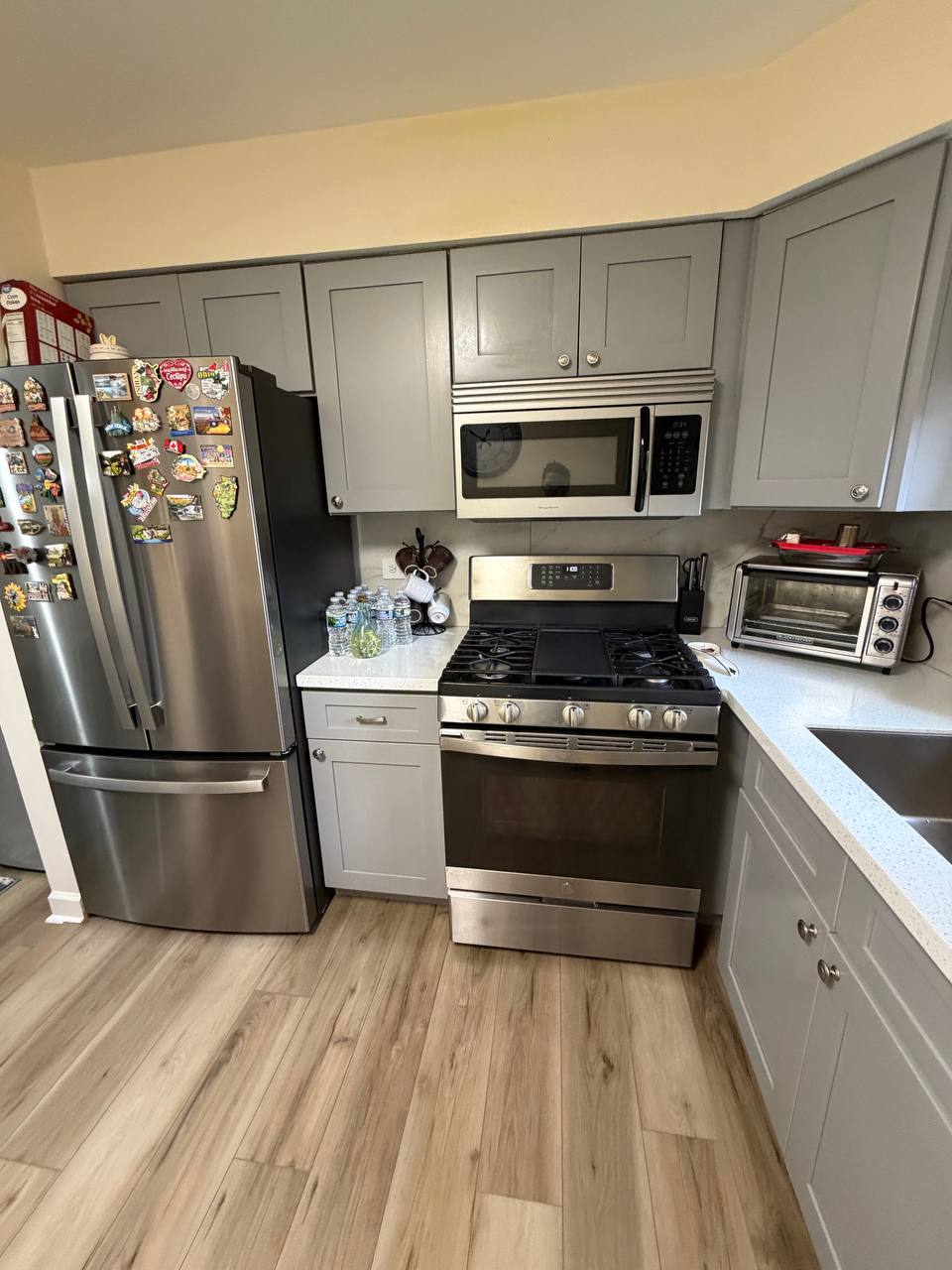
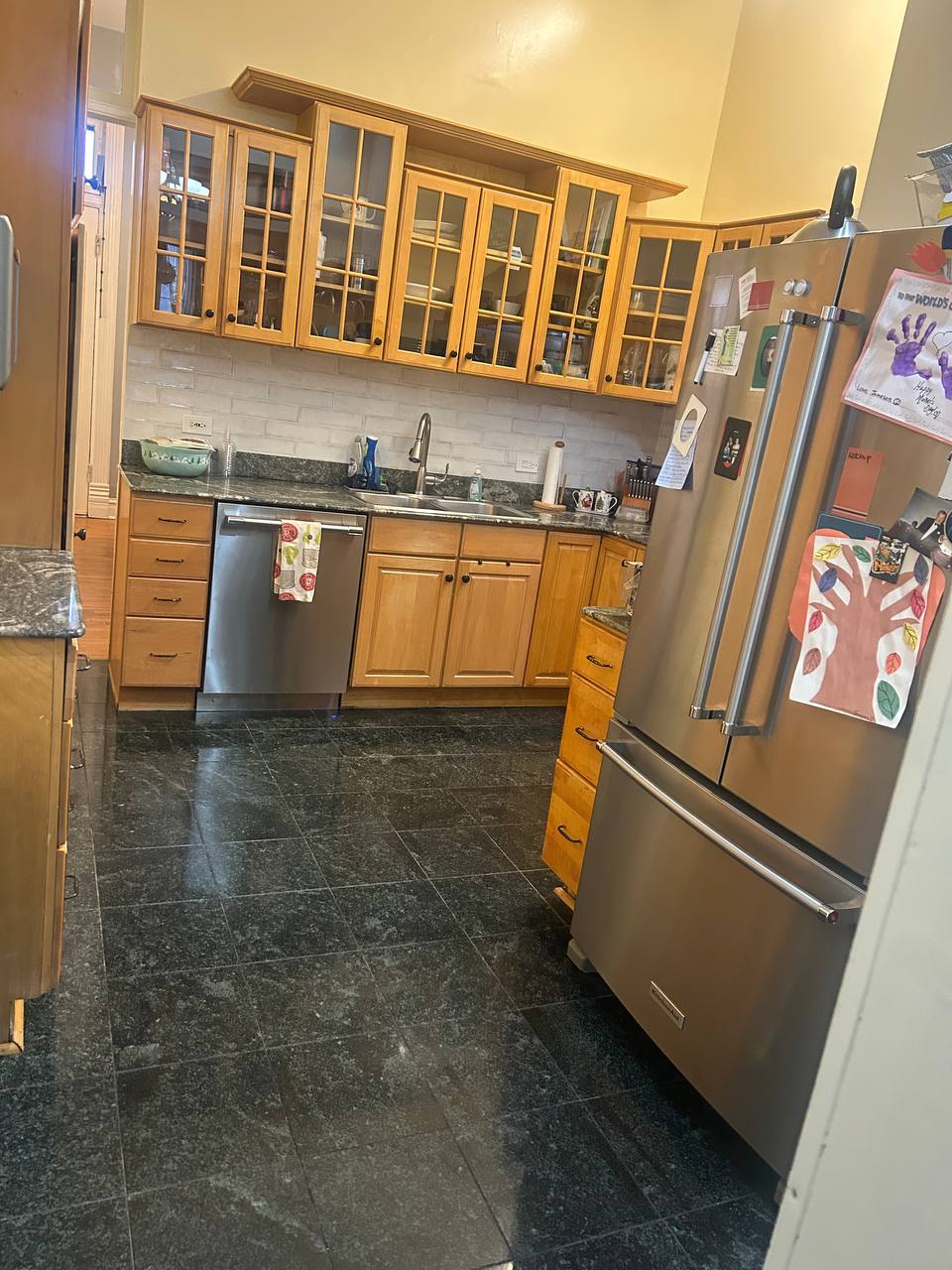
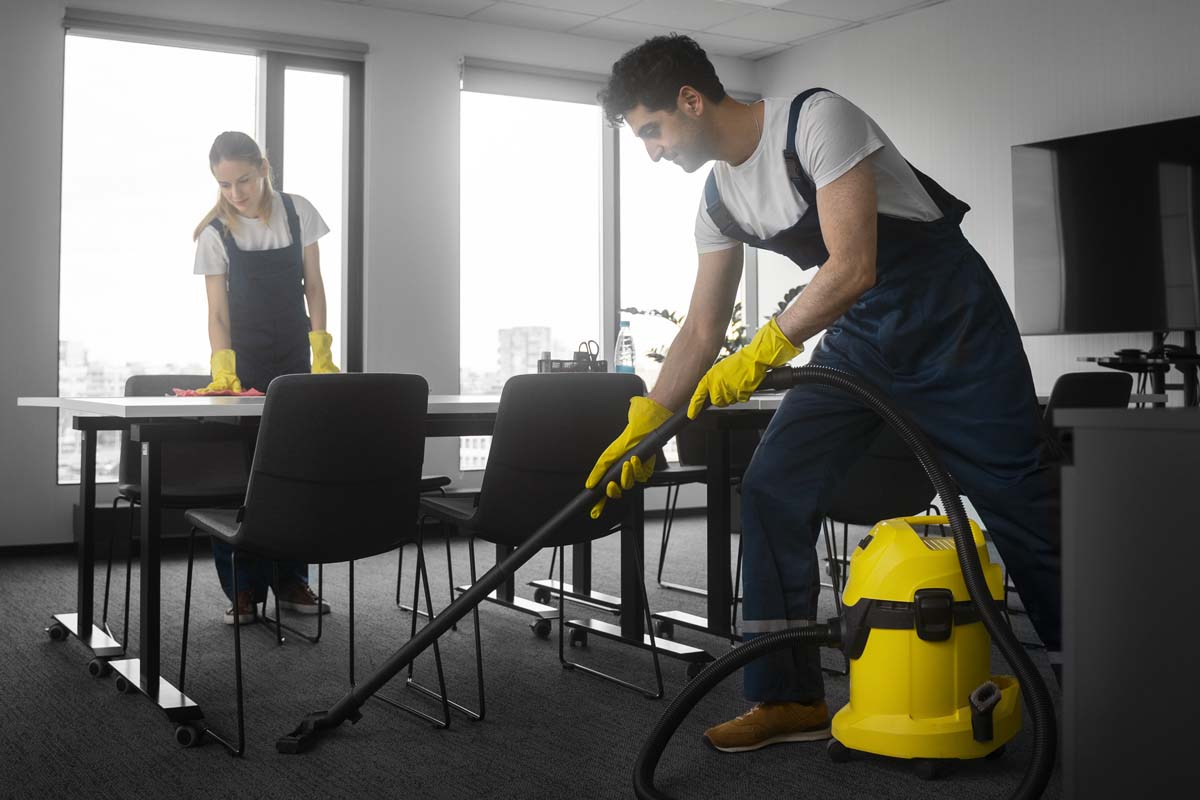

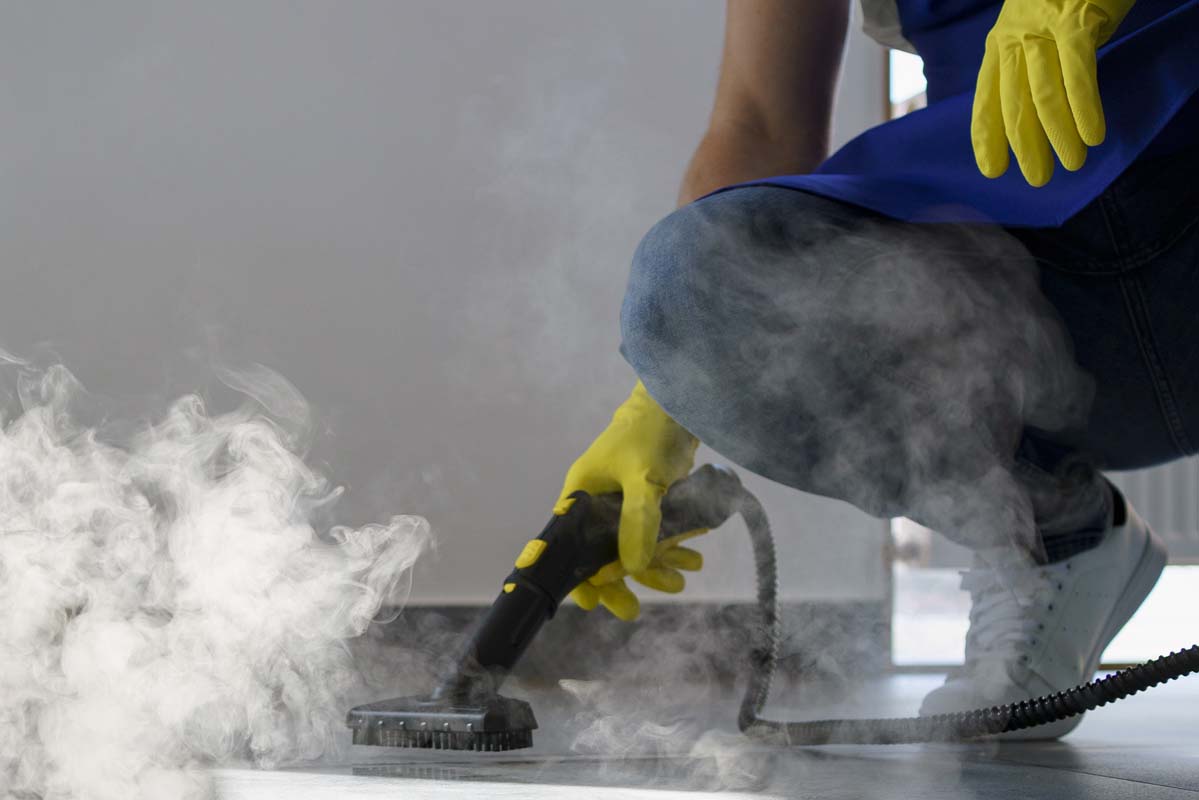
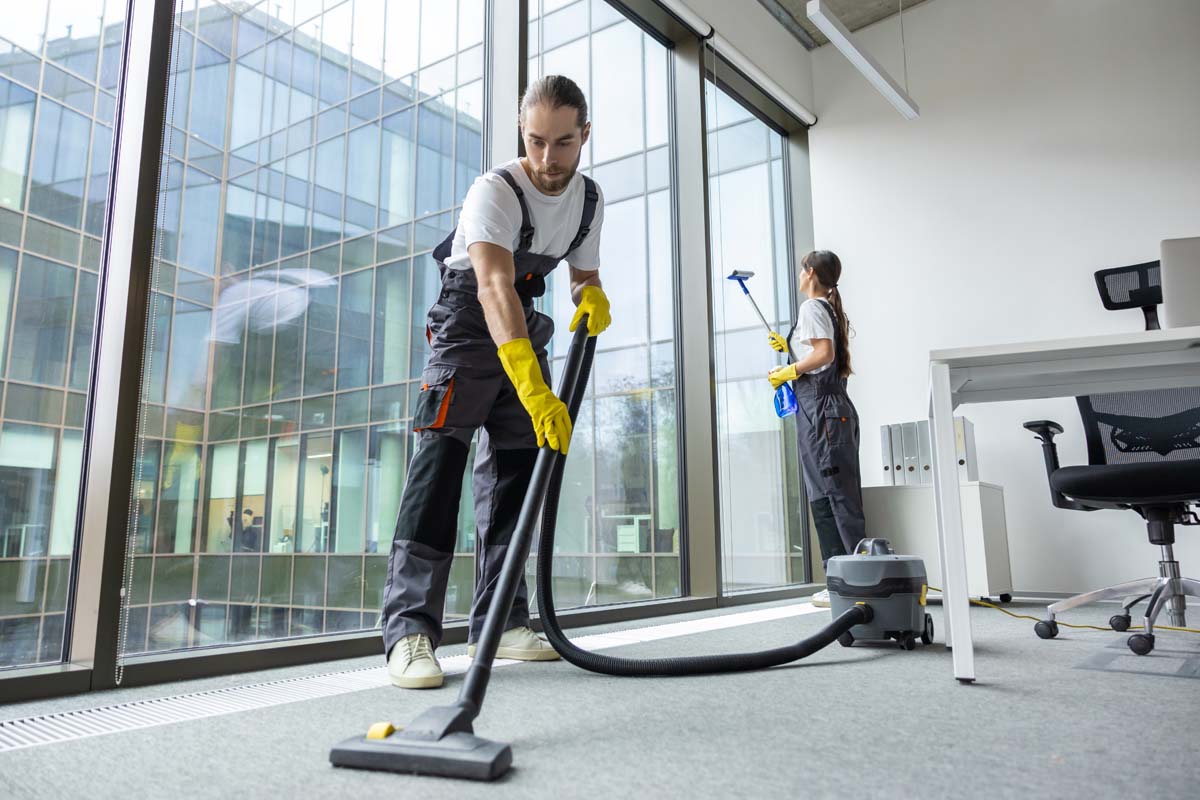
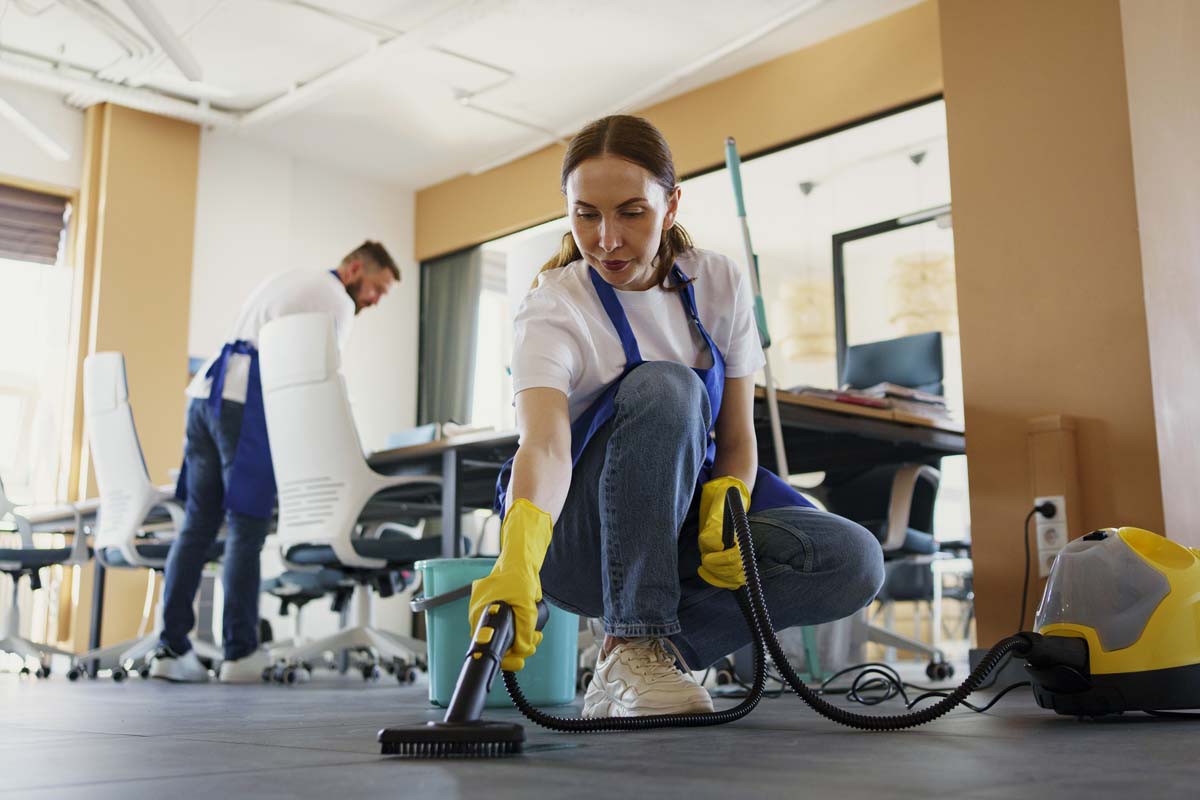


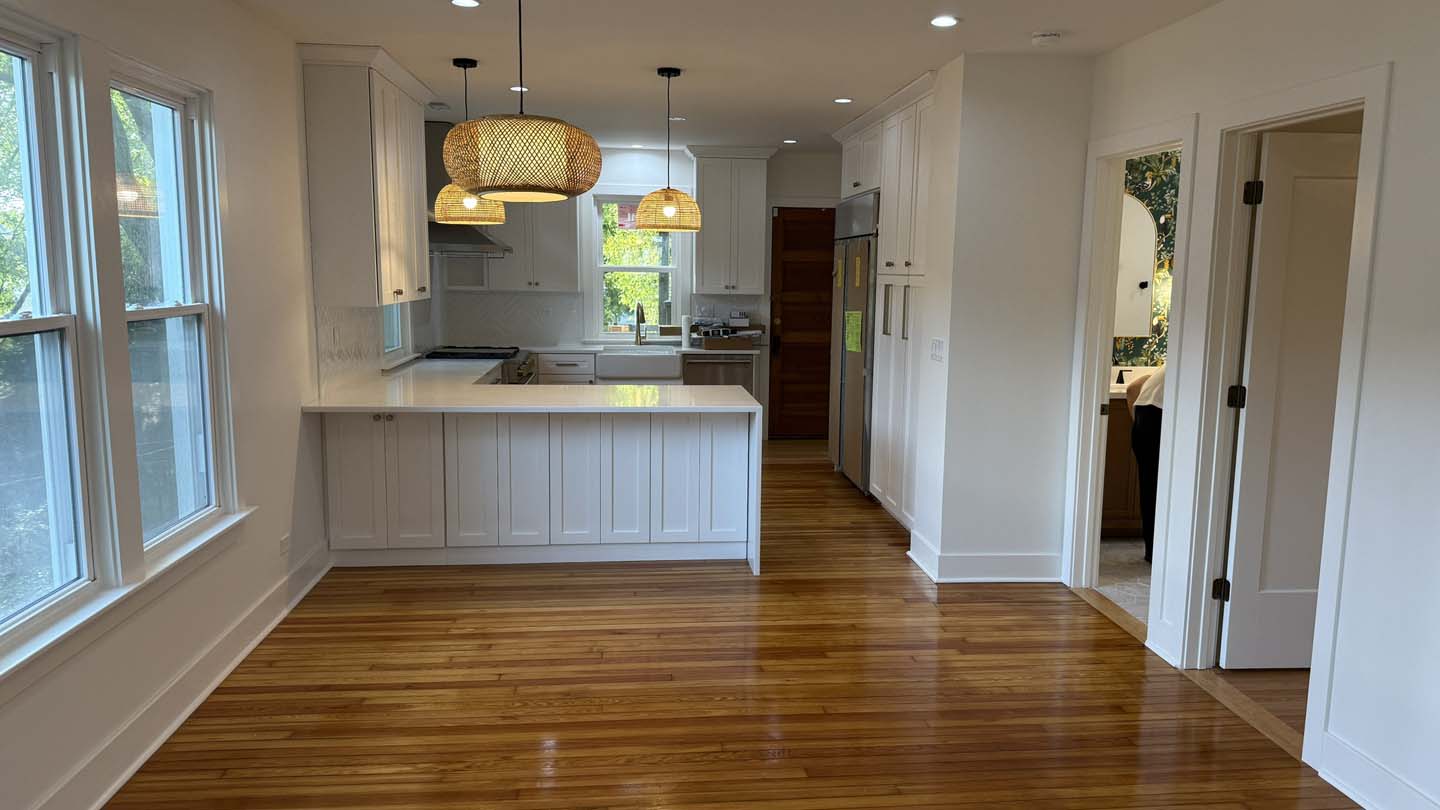
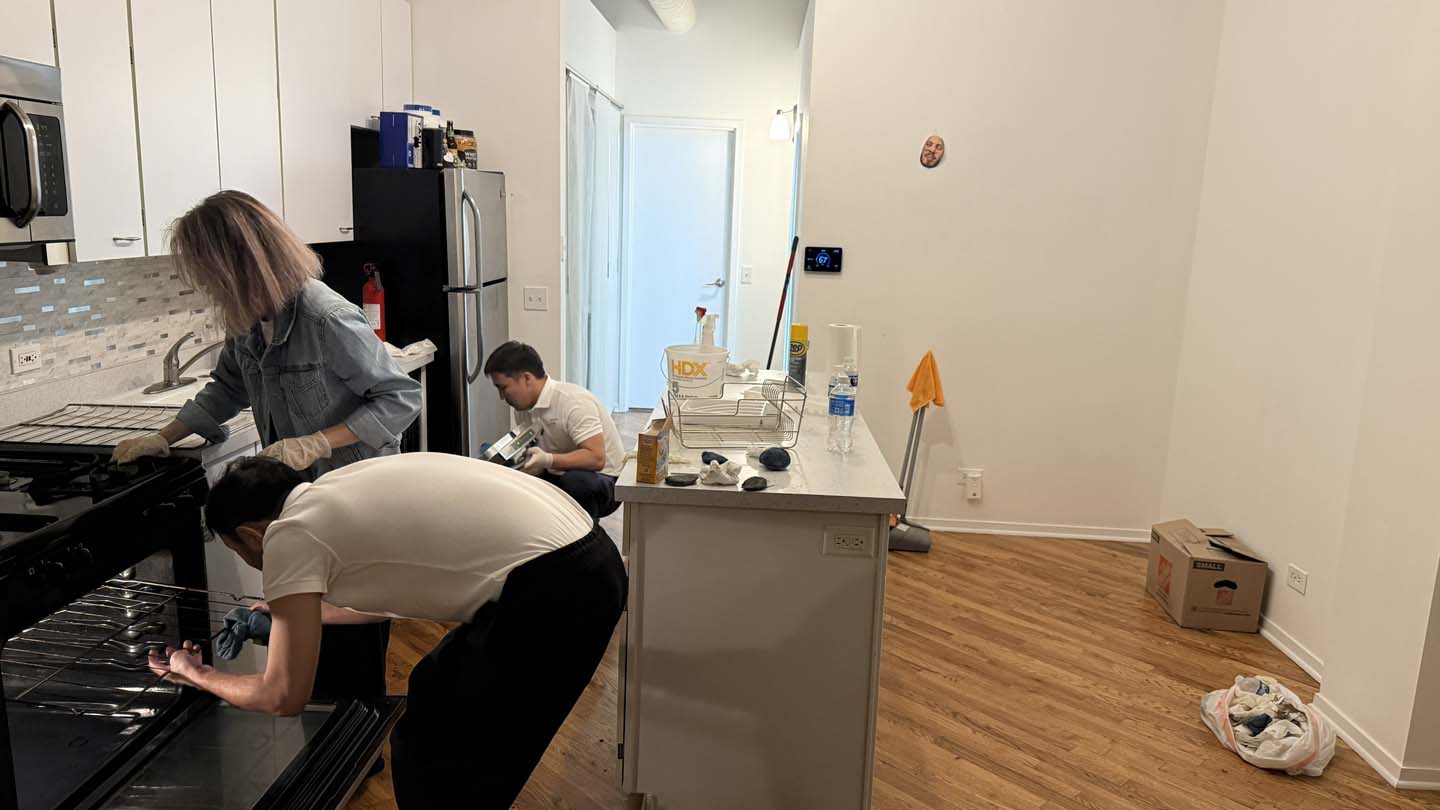

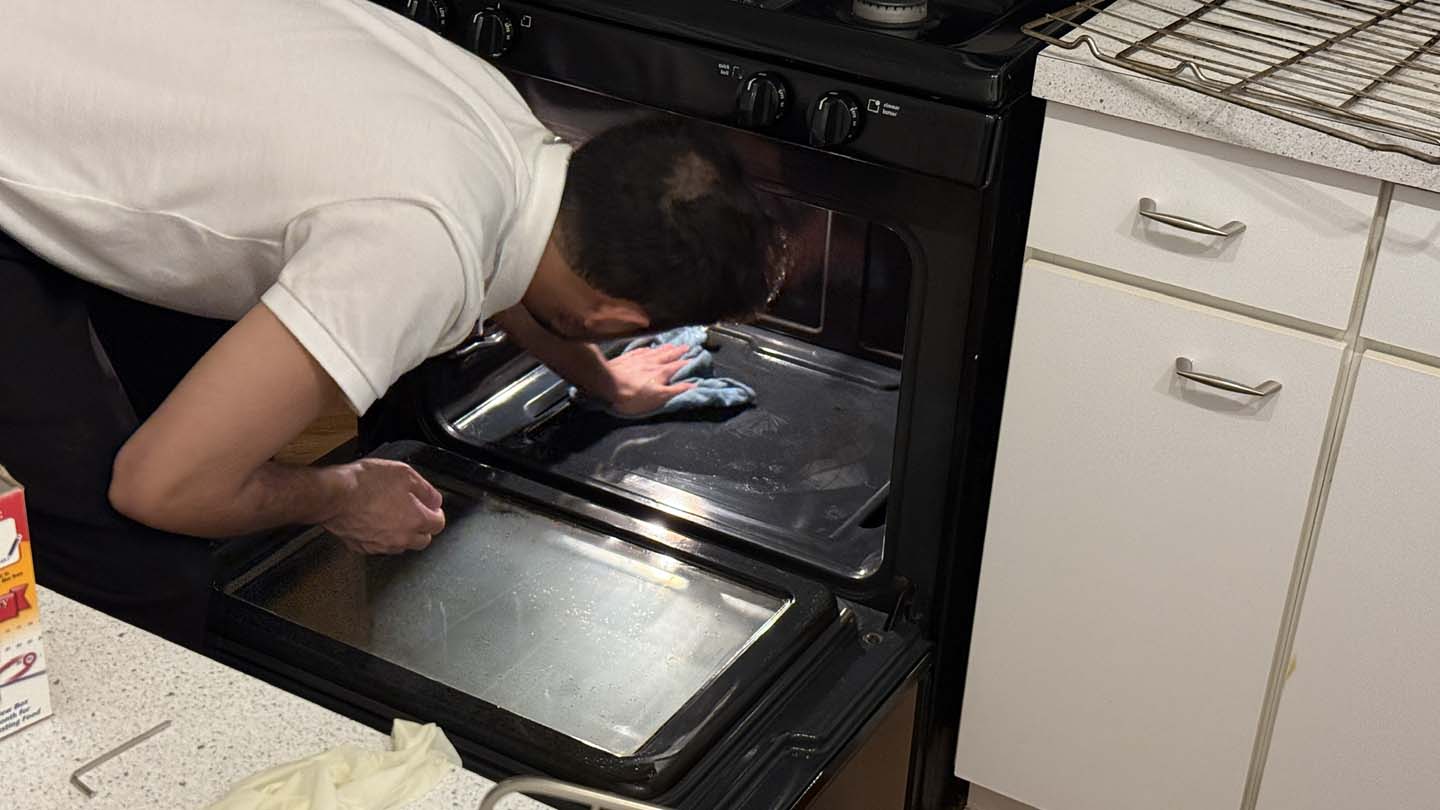

Keep your space fresh, clean, and stress-free with our full range of residential cleaning services in Chicago, IL. Whether you need routine maintenance, a deep clean, or move-in/move-out service, our expert team delivers spotless results every time.