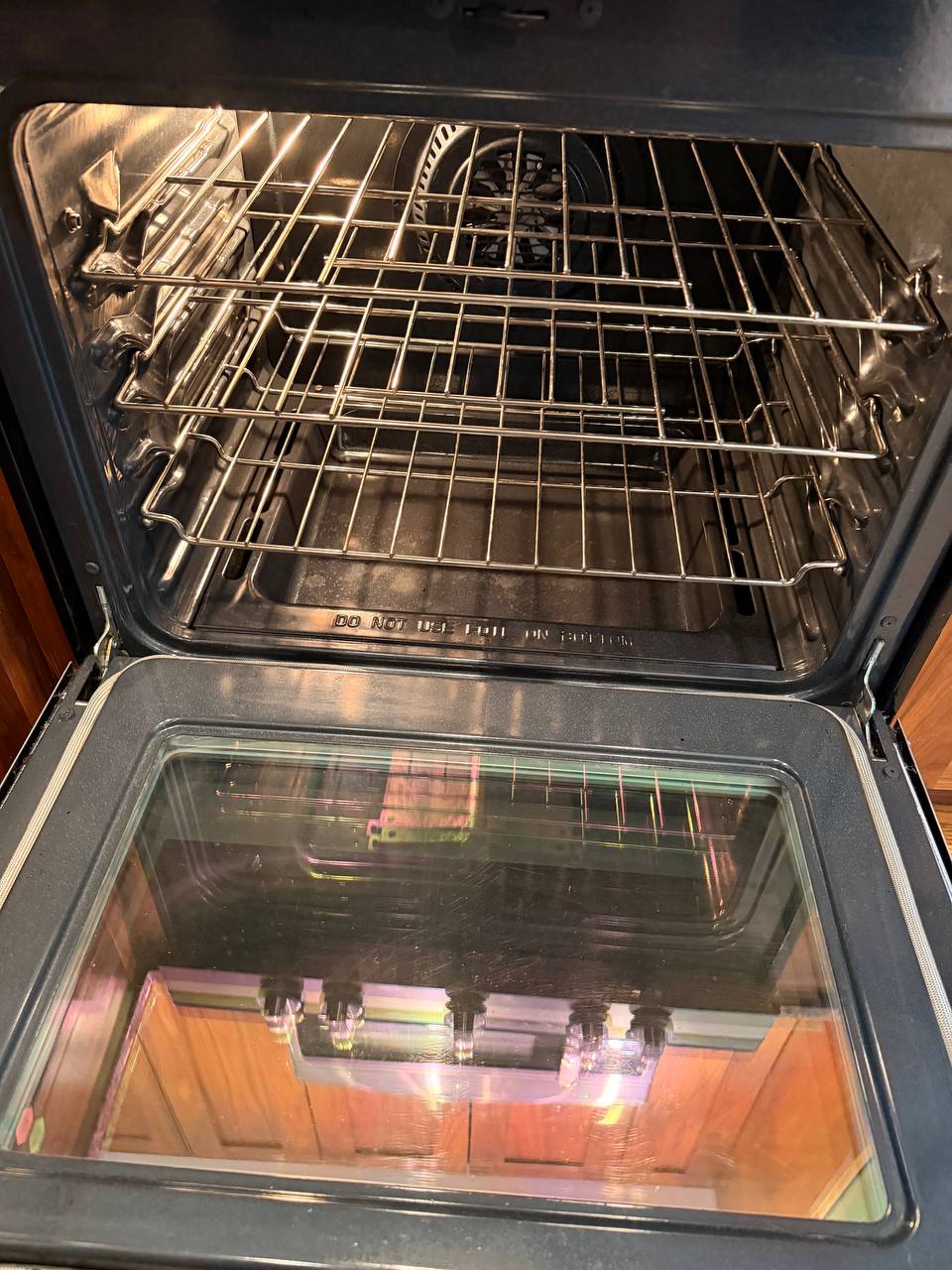
Stainless steel is one of those materials that looks incredible when it's clean and awful the moment it isn't. Fingerprints, water spots, streaks, a foggy haze that shows up right after you wipe it down — after more than 9,000 homes, I can tell you it's the single most-complained-about surface in the Chicago kitchen. The good news is that cleaning stainless steel appliances the right way is simple, cheap, and takes about two minutes per appliance once you know the trick.
The whole secret comes down to three things: a gentle cleaner, working with the grain, and drying immediately. Get those right and the streaks disappear. Let me walk you through exactly how we do it in the homes we clean.
Stainless steel isn't actually smooth. Look closely under good light and you'll see faint directional lines running across the surface — that's the "grain," the same way wood has a grain. Those microscopic grooves are where dirt, oils, and cleaning residue collect. When you wipe across the grain or scrub in little circles, you drag gunk into those grooves and smear it around instead of lifting it out. That's your streak.
The second culprit is water. Chicago has notably hard water, and hard water is loaded with dissolved minerals like calcium and magnesium. When a droplet dries on stainless, the water evaporates but the minerals stay behind as a chalky white spot. If you've ever wondered why your fridge looks freshly spotted an hour after you cleaned it, that's why. We wrote a whole explainer on whether Chicago has hard water — spoiler, it does, and it changes how you clean nearly every surface in your home.
You don't need a special "stainless steel cleaner" for everyday maintenance. Here's the honest, no-gimmick kit:
That's it. Microfiber matters here — a paper towel or a rough rag can leave lint and fine scratches, and cotton doesn't lift oils the way microfiber does.
Before you touch a single cloth, look at the surface and figure out which direction the grain runs. On most fridge doors and dishwasher fronts it runs horizontally (left to right); on some ranges and panels it runs vertically. Once you know, every wipe you make goes in that same direction. Never wipe in circles. Circular scrubbing is the fastest way to grind residue into the finish and leave a swirl of streaks that catch the light.
Put a few drops of dish soap into warm water, dampen a microfiber cloth, wring it out so it's damp and not dripping, and wipe the surface with the grain. Work in long, straight passes. For baked-on grease near the range or oven handle, let the warm soapy cloth sit on the spot for a few seconds to soften it, then wipe — again, always with the grain. This step alone handles the everyday fingerprints and cooking film.
Soap left on the surface is itself a source of streaks and haze. Take your second microfiber, dampen it with plain warm water, and go over everything one more time with the grain to lift away any soap residue. Don't skip this — a lot of "I cleaned it and it still looks smeared" complaints are just leftover soap.
This is the step that separates a streaky fridge from a mirror-clean one. Grab your third, completely dry microfiber and buff the surface dry right now, with the grain, before the water has any chance to air-dry. In hard-water areas like Chicago, drying immediately is non-negotiable — if you let those mineral-heavy droplets evaporate on their own, you'll get exactly the white spots you were trying to avoid. Dry as you go, one appliance at a time, rather than washing everything and coming back later.
If you want that showroom glow and a little protection against fingerprints, put a tiny amount — a few drops — of mineral oil or olive oil on a clean dry cloth, or use a dedicated stainless polish, and buff it into the surface with the grain. A thin, even film is the goal; too much oil just attracts dust and leaves smudges. Wipe off any excess. This oil layer fills the microscopic grooves so oils from your fingers have less to cling to, and it makes the next cleanup easier.
Stainless is tough, but its finish is thin and the protective layer that makes it "stainless" can be damaged. In the homes we clean, most permanently marred appliances got that way from the wrong product, not from wear. Keep these away from your stainless:
If you're ever unsure, remember the golden rule: gentle soap, soft microfiber, with the grain. You almost never need anything harsher, and reaching for the harsh stuff is how the damage happens. This is the same principle behind not mixing cleaners in general — if you want the full rundown, our guide to the cleaning products you should never mix covers the combinations that are genuinely dangerous.
If hard-water spots have already dried on, plain soap and water may not fully lift them. Dampen a cloth with a 1:1 mix of white vinegar and water, wipe the spots with the grain, then immediately rinse with plain water and dry. Vinegar's mild acidity dissolves the mineral deposit. Use it as a spot treatment, not a daily cleaner, and always rinse it off — you don't want acid sitting on the finish.
For a bit of tape gunk or a sticker mark, a small amount of the mineral oil on a cloth usually breaks it down without scratching. Rub gently with the grain, then wash and dry as usual.
Fingerprints are just oils. The polish step in the method above is your best defense, and in a busy household with kids, a quick daily buff with a dry microfiber keeps the worst of it at bay without any product at all.
The same rules apply to the smaller stainless pieces scattered around the kitchen — the toaster, the electric kettle, the coffee maker, the range hood. The range hood in particular deserves attention because it collects a greasy film that most people never think to wipe. Unplug small appliances before cleaning, use the same warm-soapy-microfiber-with-the-grain approach on the housings, and keep water well away from any electrical components, cords, and heating elements. For a range hood's grease filter, a soak in hot water with dish soap and a little baking soda cuts the buildup, much like cleaning oven racks.
One thing I remind clients about: stainless kitchen sinks. They take more abuse than any appliance and they show it. Rinse and dry your sink at night, avoid leaving cast-iron pans or steel wool pads sitting in it (they can leave rust marks that transfer to the stainless), and give it the same with-the-grain buff you'd give the fridge. A quick oil buff on a stainless sink makes water bead and roll instead of spotting.
People sometimes assume stainless steel is high-maintenance. It isn't — it's just unforgiving of the wrong technique. Once you stop scrubbing in circles, stop reaching for the abrasive sponge, and start drying immediately, it becomes one of the easiest surfaces in the house to keep looking sharp. The finish that frustrated you becomes the finish that makes your whole kitchen look put-together. That's the payoff for getting the method right, and it's why our crews treat stainless with such specific care during every clean.
For the visible fronts of a fridge, dishwasher, or range in a normal household, a quick wipe once or twice a week keeps fingerprints and cooking film from building up. Do a more thorough wash-rinse-dry-polish about once a month. Handles and the area around the oven need more frequent attention because that's where hands and grease concentrate.
Stainless is a "little and often" material. A two-minute wipe every few days beats a big scrub-down once a season, and it never gives grime the chance to bake on.
The outside of your appliances is only half the job. While you're at it, the inside deserves the same care — our guides to cleaning the inside of your refrigerator and cleaning your oven and oven racks round out a genuinely clean kitchen. And if you're doing a full reset, our room-by-room deep cleaning checklist makes sure nothing gets missed.
If you'd rather not fuss with grain direction and microfiber cloths, that's exactly what we're here for. Spotless Home Cleaners has served Chicago and 70+ surrounding suburbs for 11 years with a background-checked crew, eco-friendly products, transparent pricing, and a 100% satisfaction guarantee. Our crews know how to bring stainless back to a streak-free shine — and how to protect the finish while they do it. Call us now and book your cleaning today, or ask about a full deep cleaning to get your whole kitchen gleaming.

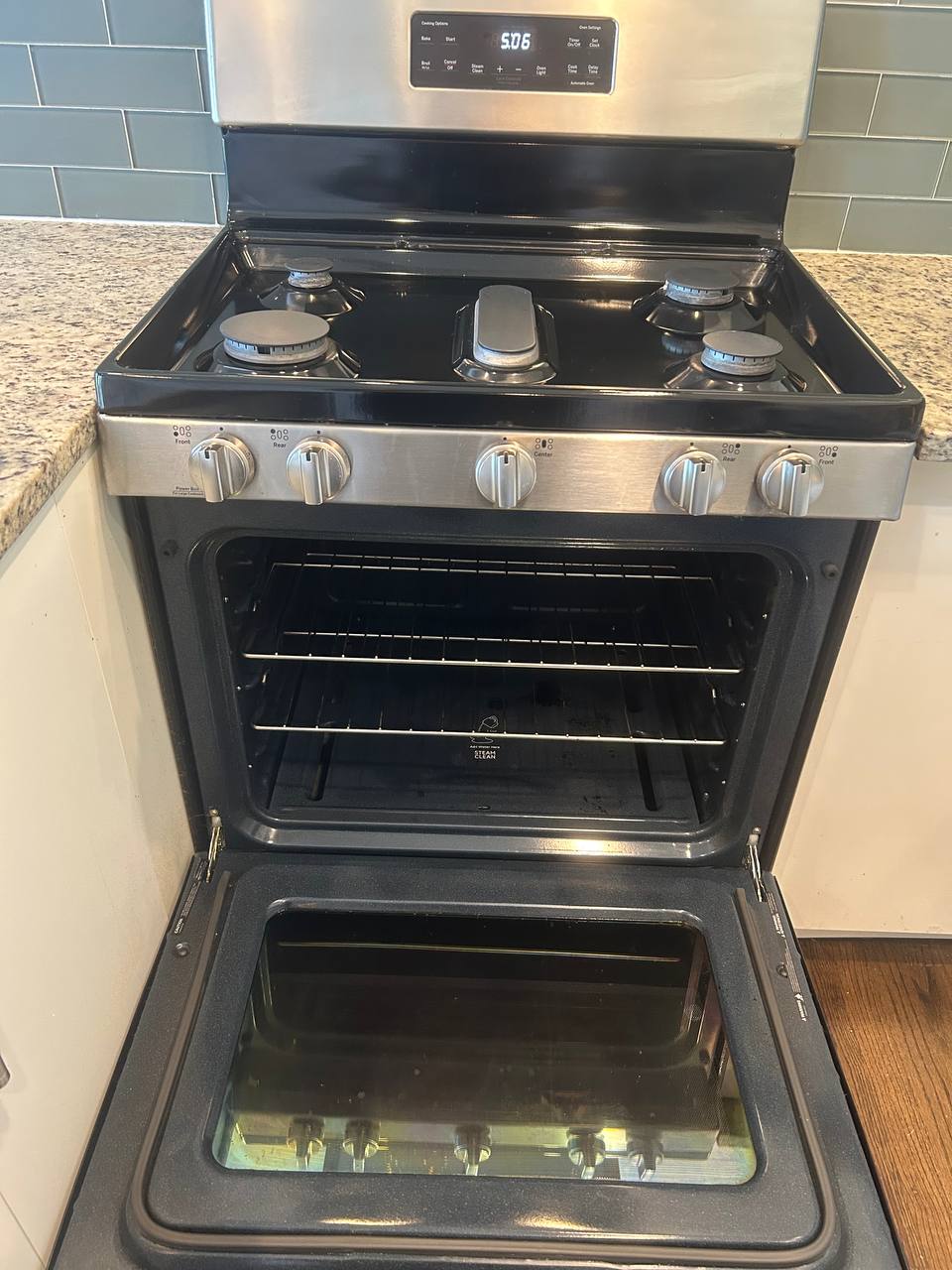









Keep your space fresh, clean, and stress-free with our full range of residential cleaning services in Chicago, IL. Whether you need routine maintenance, a deep clean, or move-in/move-out service, our expert team delivers spotless results every time.