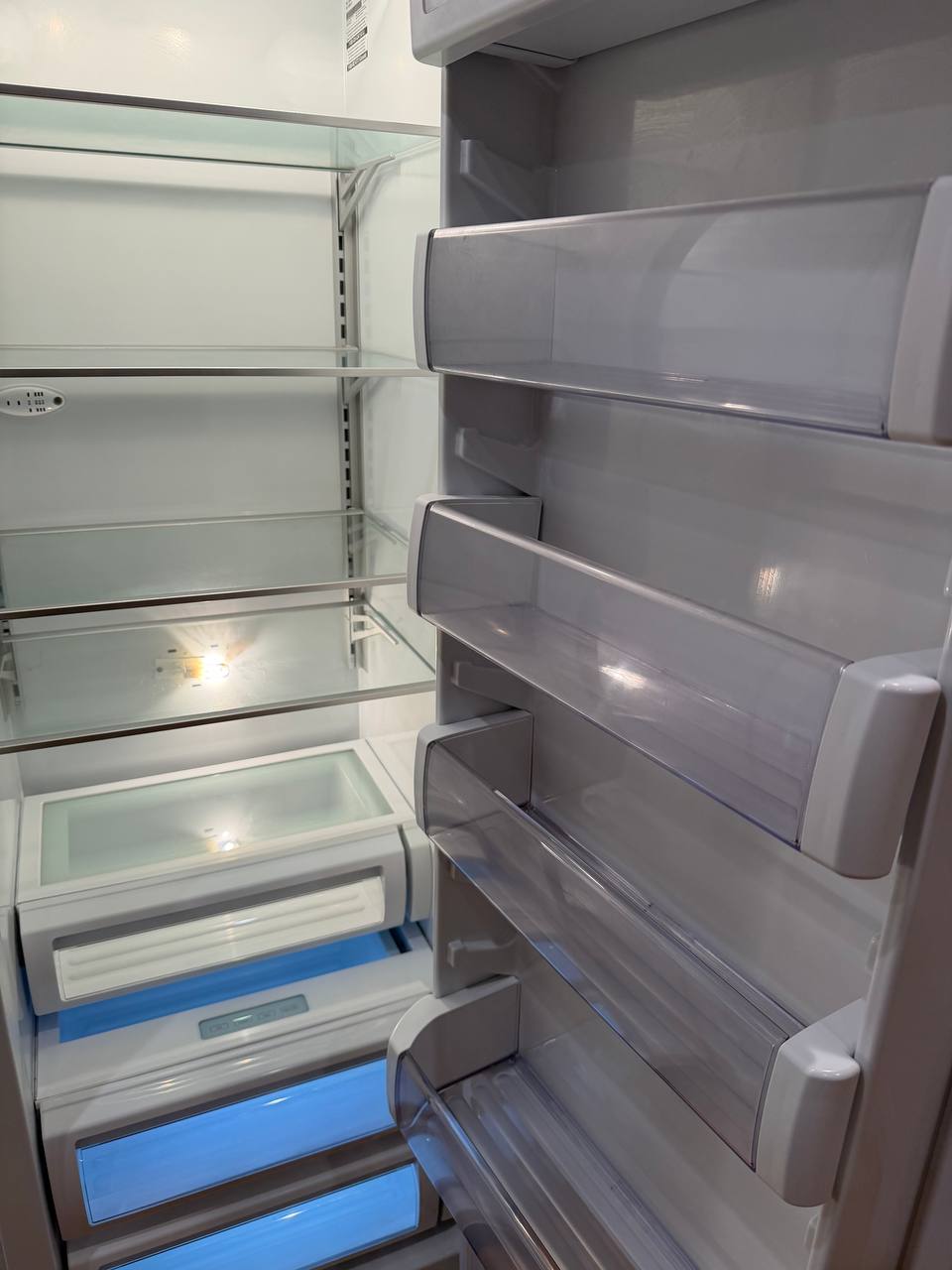
The inside of the refrigerator is one of those places that gets a little worse every week until one day you open the door, catch a whiff of something you can't identify, and realize it's been months. I get it — it's easy to ignore because it's usually full of food. But it's also the one appliance in your home that stores everything your family eats, which makes keeping it clean less about appearances and more about health.
The good news is that cleaning the inside of your refrigerator is straightforward, doesn't require any special products, and takes about 30 to 45 minutes if you're thorough. Here's exactly how we do it in the homes we clean, including a couple of steps most people skip that make a real difference.
If you're doing a full deep clean and expect to have the door open for a while, turn the fridge off or set it to its "off" or defrost setting — or unplug it if that's easy to reach. This saves energy while the door is open and lets you clean without the compressor fighting you. For a quick surface wipe you can leave it running, but for the full empty-and-scrub, powering down is the smart move.
Plan to do this when your fridge is relatively empty — right before a grocery run is ideal — so you're not juggling a counter full of food racing against the clock. Perishables can sit in a cooler with ice packs if the job runs long.
Take everything out. Everything. This is your chance to be honest about that jar of who-knows-what in the back. Check dates, smell anything questionable, and throw out what's expired, moldy, or forgotten. Wipe the bottoms of jars and bottles as they come out so you're not putting sticky containers back onto clean shelves.
Grouping items on the counter as you go — condiments together, produce together — makes it faster to reload logically at the end.
Pull out the removable shelves, drawers, and bins so you can wash them properly in the sink with warm, soapy water. This is worth doing rather than just wiping them in place, because spills seep into the tracks and edges you can't reach otherwise.
Here's the one warning that trips people up: let glass shelves come to room temperature before washing them in warm water. Glass that's been sitting at refrigerator temperature can crack or shatter from thermal shock if you plunge it straight into hot water — the sudden temperature change stresses the glass. So never put cold glass into hot water. Set glass shelves on a towel on the counter for 15 to 20 minutes to warm up first, then wash them. Plastic bins don't have this problem, but the glass ones absolutely do, and a cracked shelf is an expensive, avoidable mistake.
Wash everything with warm soapy water, rinse, and set on a towel to dry while you clean the interior.
For the inside walls, floor, and door of the fridge, you've got two good options:
Wipe down every interior surface, working top to bottom so drips fall onto areas you haven't cleaned yet. Pay attention to the corners and the little ledges where spills pool. For dried-on spills, lay a warm damp cloth over the spot for a minute to soften it rather than scraping.
One thing to avoid: don't use bleach or strong chemical cleaners inside your refrigerator. This is a food-storage space, and you don't want harsh chemical residues or lingering odors anywhere near what your family eats. Bleach can also leave a smell that transfers to food. Soap and water or baking-soda solution is all you need — save the disinfectants for other parts of the house.
The rubber door seals — the gaskets — are a genuine mildew hotspot, and almost everyone skips them. Crumbs and moisture collect in the folds of the seal, and left alone they grow mold and can even keep the door from sealing properly, which wastes energy. Wipe the gaskets down with your warm soapy cloth, getting into the folds, and dry them. If you see any dark mildew starting, a little baking-soda solution and a soft toothbrush cleans it out. Keeping the seals clean and intact also helps your fridge run efficiently.
Dry the interior and the shelves with a clean towel before you put things back — a dry interior discourages mold and won't leave your reloaded food sitting in dampness. Slide the (fully warmed and dried) glass shelves and clean drawers back in, then reload your food, wiping any last sticky containers as you go.
Once everything's back, place an open box of baking soda in the fridge to absorb odors between cleanings. It genuinely works — baking soda neutralizes the odor molecules rather than just masking them. Replace it every three months or so. Write the date on the box so you remember.
Sometimes a fridge holds onto a smell even after a thorough cleaning — an onion, a spill that soaked into a drawer, or something that went off before you caught it. When the baking-soda box isn't enough, here are the moves that actually work. First, make sure you've cleaned the gaskets and the drip channel at the back, because odors love to hide in both. If the smell persists, wipe the interior with a cloth dampened in a baking-soda solution and let it air out with the door open for an hour. For an entrenched odor, place a shallow bowl of fresh coffee grounds or plain activated charcoal inside for a day or two — both absorb odors even more aggressively than baking soda. Avoid the temptation to use a heavily scented cleaner to cover the smell; you'll just end up with perfumed food.
Since you've got everything out, the freezer deserves a quick pass too. Toss anything with freezer burn or a mystery date, wipe the interior with the same warm soapy cloth (work quickly so frost don't re-form on your cloth), and check that the door seal is clean. If your freezer isn't frost-free and ice has built up on the walls, that's a sign to plan a full defrost — never chip at ice with a knife or sharp tool, which can puncture the lining. Let it melt naturally with the unit off and towels down to catch the water.
This one's not inside the fridge, but it's worth doing a couple of times a year. The condenser coils — usually behind a grille at the bottom front, or on the back of the unit — collect dust, and dusty coils make your fridge work harder and run less efficiently. Unplug the fridge, find the coils per your manual, and vacuum them off with a brush attachment. It's a five-minute job that can lower your energy bill and extend the life of the appliance.
Here's a realistic schedule that keeps things sanitary without taking over your life:
Little and often beats one dreaded marathon. A quick weekly tidy means the quarterly deep clean is never overwhelming.
There's a food-safety reason this schedule matters, not just a tidiness one. A clean, well-organized fridge holding a steady temperature keeps your food fresher and safer for longer — spills and clutter can block airflow and create warm pockets where bacteria multiply. Keep a thermometer inside and aim for the fridge at or below 40°F and the freezer at 0°F. Storing raw meat on the bottom shelf, in a container, so it can't drip onto anything below is one of those small habits that prevents the exact spills that cause the worst odors and cross-contamination in the first place.
The inside of the fridge is only part of the picture. For the outside, our guide to cleaning stainless steel appliances shows you how to get the doors streak-free, and while you're at it, cleaning your oven and oven racks is the natural next kitchen project. If you're moving out of a Chicago rental, a spotless fridge is on the list — our Chicago move-out cleaning checklist walks through what property managers actually inspect.
Cleaning out the fridge is one of those jobs that's easy to keep postponing — and easy to hand off. Spotless Home Cleaners has served Chicago and 70+ surrounding suburbs for 11 years with a background-checked crew, eco-friendly products, transparent pricing, and a 100% satisfaction guarantee. Whether it's a regular standard cleaning to keep things maintained or a full deep cleaning that gets into every appliance, we've got you. Our crews handle the jobs most people put off, and our 75-point inspection means the details — like those gaskets and drawer tracks — never get skipped. Call us now and book your cleaning today.





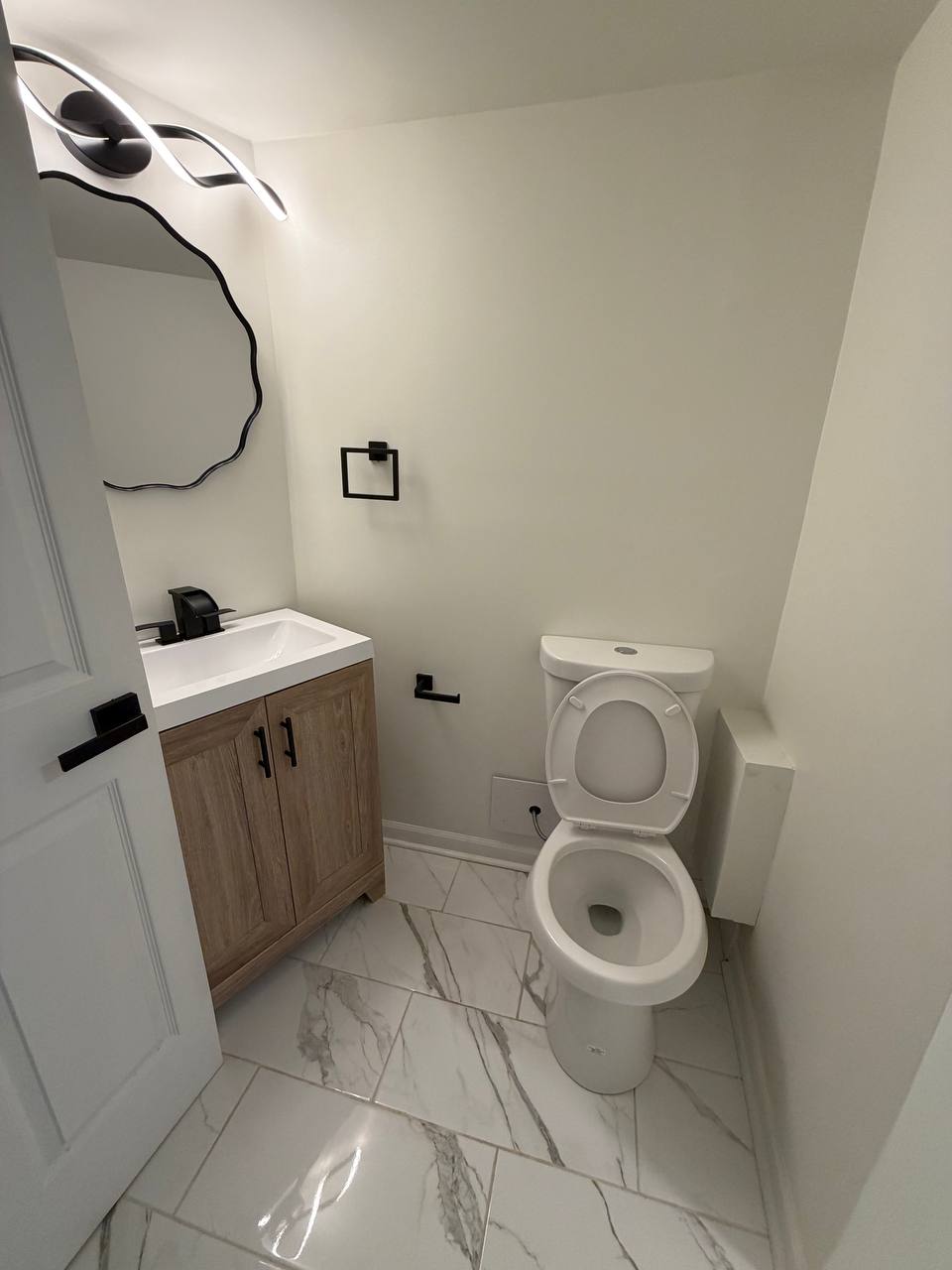


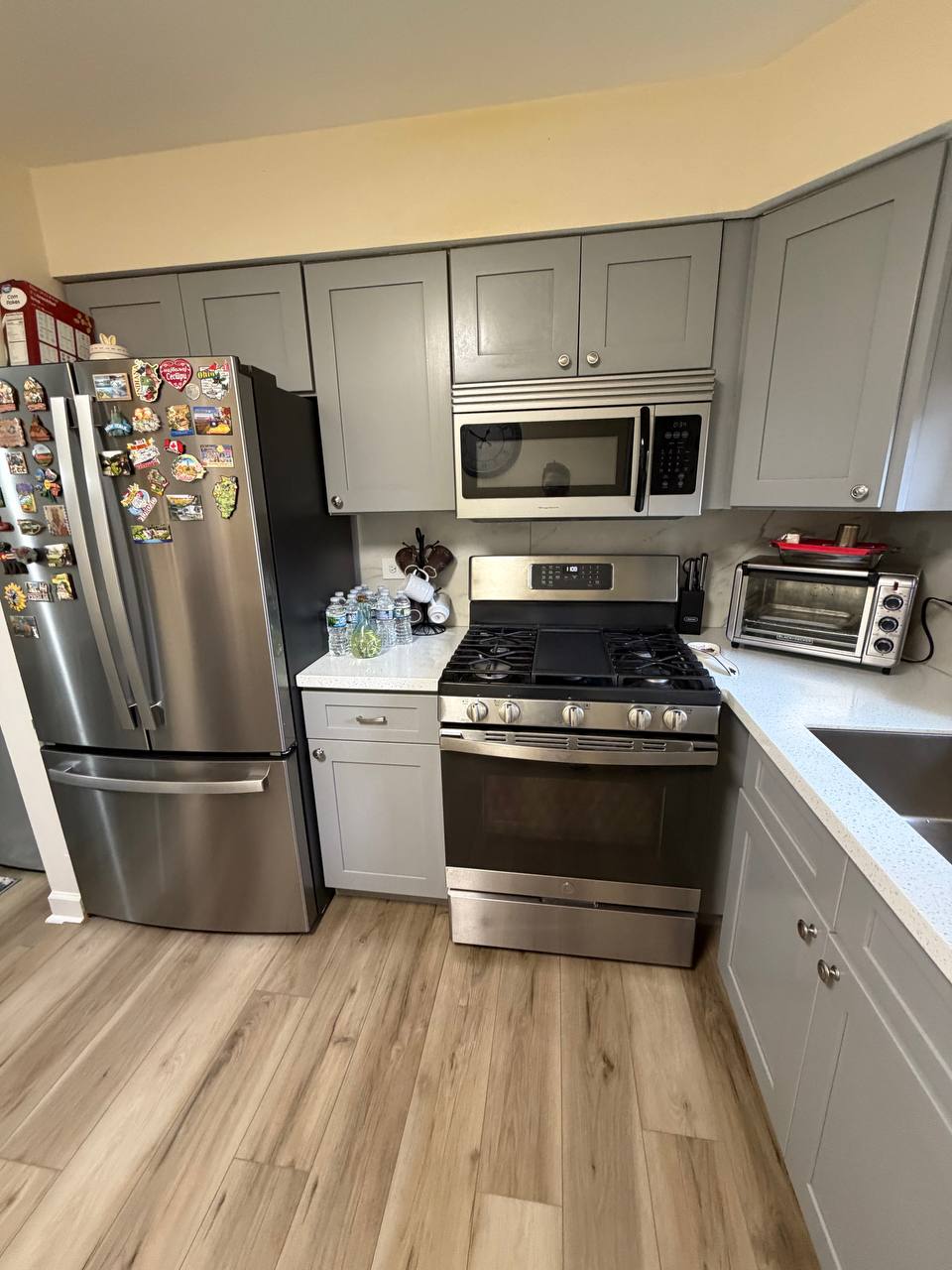
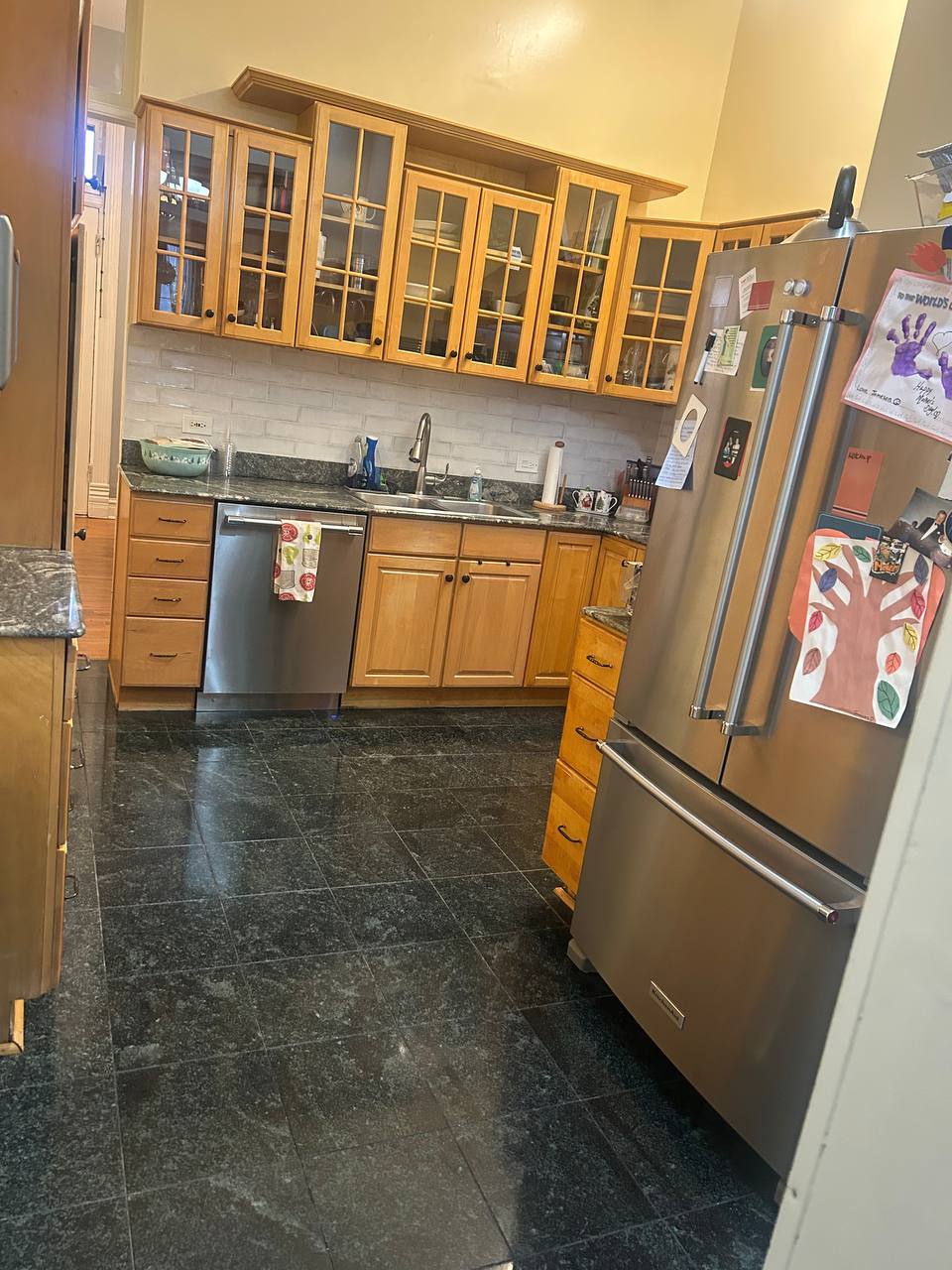










Keep your space fresh, clean, and stress-free with our full range of residential cleaning services in Chicago, IL. Whether you need routine maintenance, a deep clean, or move-in/move-out service, our expert team delivers spotless results every time.