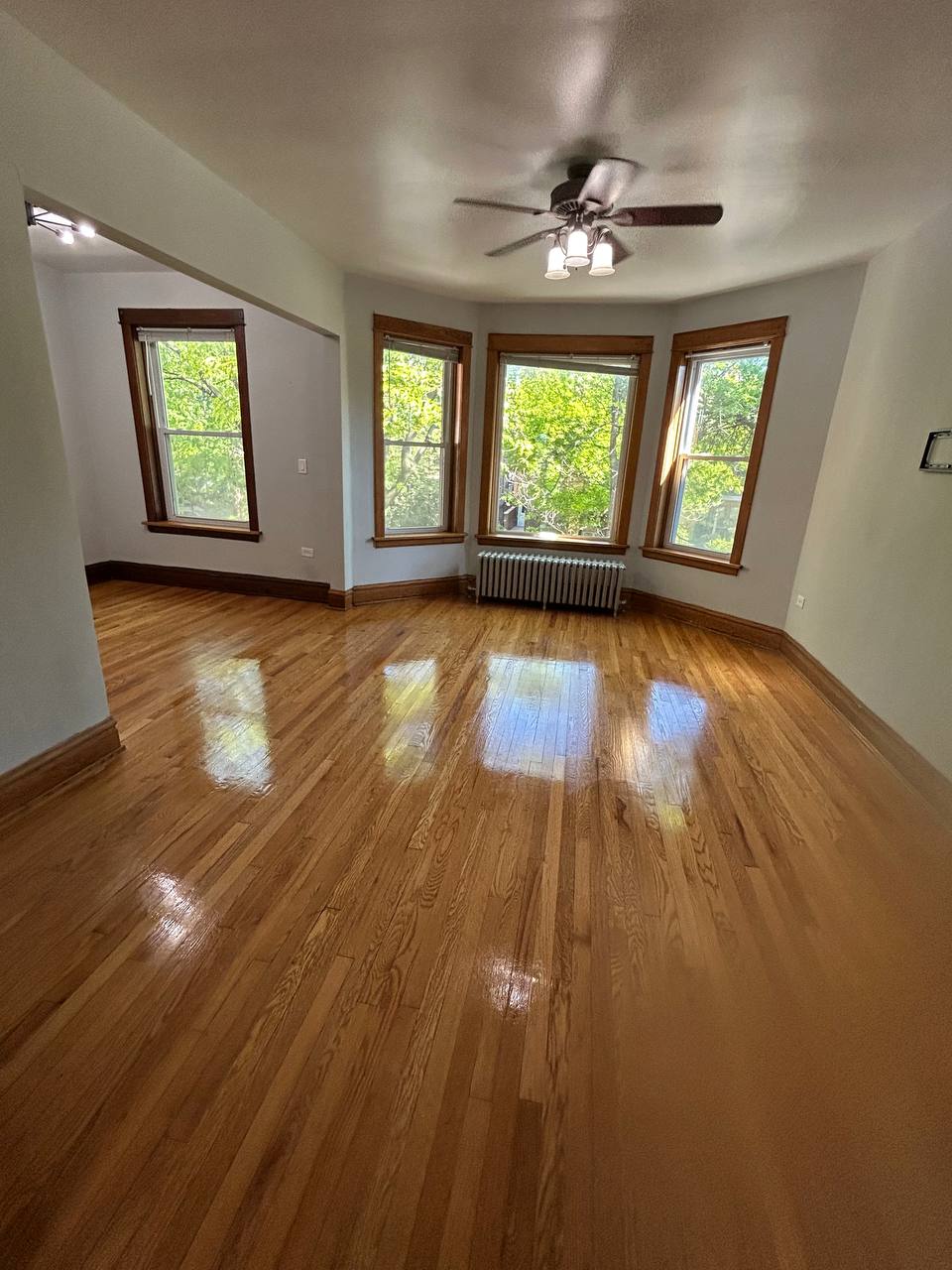
Moving out of a Chicago apartment comes with a long to-do list, but if you want your full security deposit back, one line item matters more than most tenants realize: the cleaning. In the thousands of Chicago move-outs we've handled over 11 years, the deposits that get shorted are almost always the ones where a renter left a greasy oven, a grimy fridge, or a filthy bathroom behind — the kinds of things landlords are legally allowed to charge for.
The good news is that Chicago tenants have strong legal protections, and once you understand what the law actually requires — and what a landlord can and can't deduct for — you can move out clean, protect your money, and avoid a fight. Here's how the rules work and exactly what to clean, room by room, to get your Chicago security deposit back.
This article is for general information and isn't legal advice. Security deposit rules change and every situation is different — verify the current ordinance and consult an attorney or a tenant's rights organization for your specific circumstances.
Chicago's Residential Landlord and Tenant Ordinance (RLTO) governs most rental housing in the city and gives tenants some of the strongest protections in the country. It's important to know that the RLTO covers most rentals but not all — the main exception is owner-occupied buildings with six units or fewer. If your landlord lives in your building and it has six or fewer units, the RLTO's deposit rules may not apply to you, and you'd fall back on state law (more on that below).
For rentals the RLTO does cover, here's what a landlord must do with your security deposit:
Those deadlines and requirements are strict, and Chicago's ordinance carries real penalties when landlords ignore them. That's a big reason it pays to leave the unit in genuinely clean, documented condition — it keeps you firmly on the right side of the line.
A practical tip before you even move out: many Chicago leases require you to give written notice of your forwarding address so the landlord knows where to send your deposit and itemized statement. Send it in writing and keep a copy. If a landlord can't reach you, it muddies the timeline and gives them an excuse for delay. The 45-day clock is your friend, but only if you've done your part to make the return easy to complete.
On top of the city ordinance, Illinois state law backs tenants up. The Illinois Security Deposit Return Act (765 ILCS 710) requires a landlord (of covered properties) to furnish an itemized statement of damages within 30 days if they intend to withhold any part of the deposit. And the law has teeth: if a landlord withholds a deposit in bad faith, they can be held liable for twice the amount of the deposit, plus court costs and reasonable attorney's fees.
The practical takeaway for you as a tenant: document everything, leave the place clean, and keep copies. The stronger your evidence that you returned the unit in good condition, the harder it is for a landlord to justify a deduction — and the more leverage you have if they try.
This is the heart of it, and it's where cleaning comes in. Under the law, a landlord can only deduct for damage beyond ordinary wear and tear — not for the normal, expected aging of a lived-in home.
Ordinary wear and tear — NOT chargeable: minor scuffs on the walls, small nail holes from hanging pictures, faded or lightly worn carpet, worn finish on high-traffic flooring, and general fading. These are the natural results of someone living in the space, and you can't be charged to fix them.
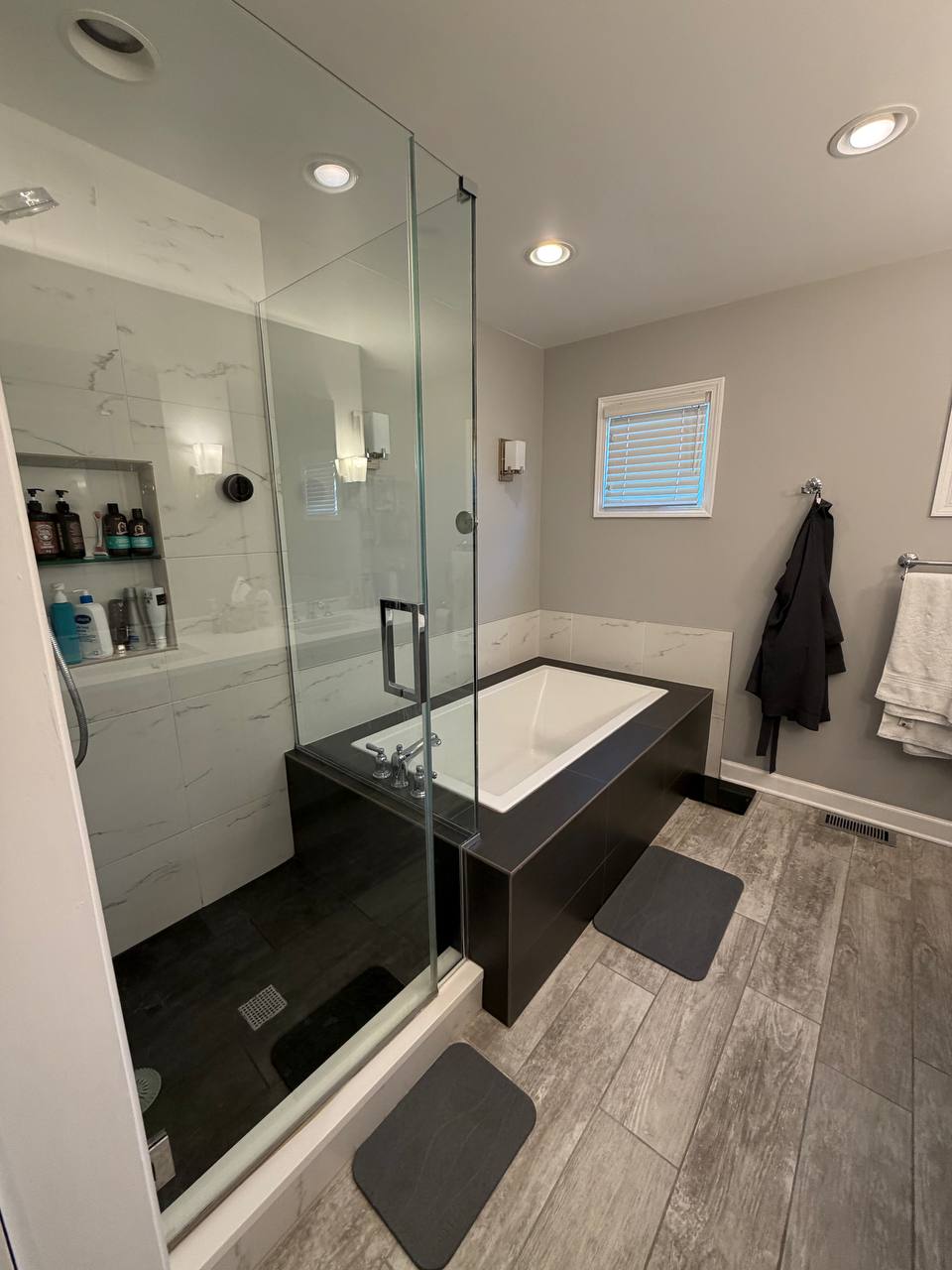
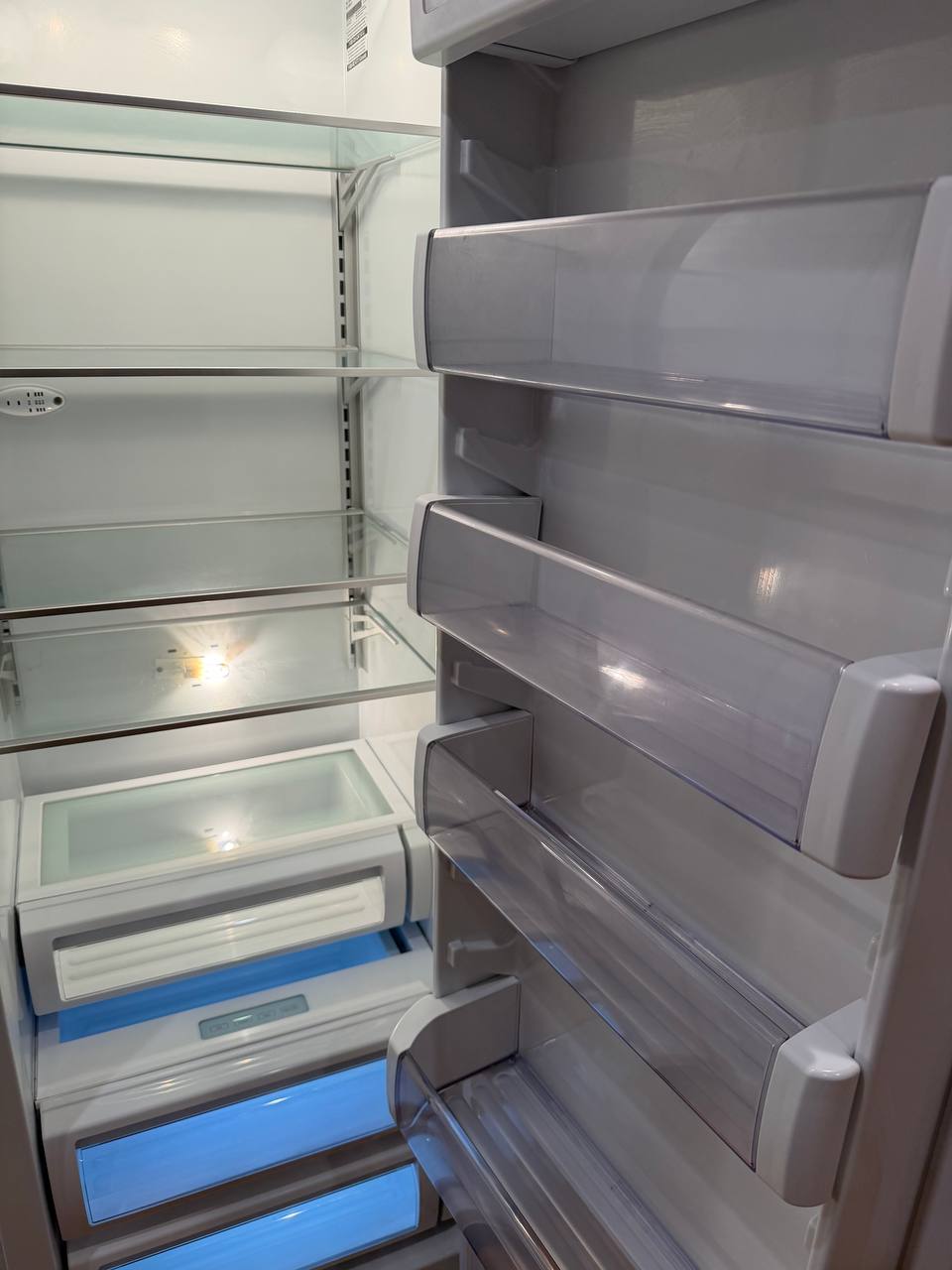
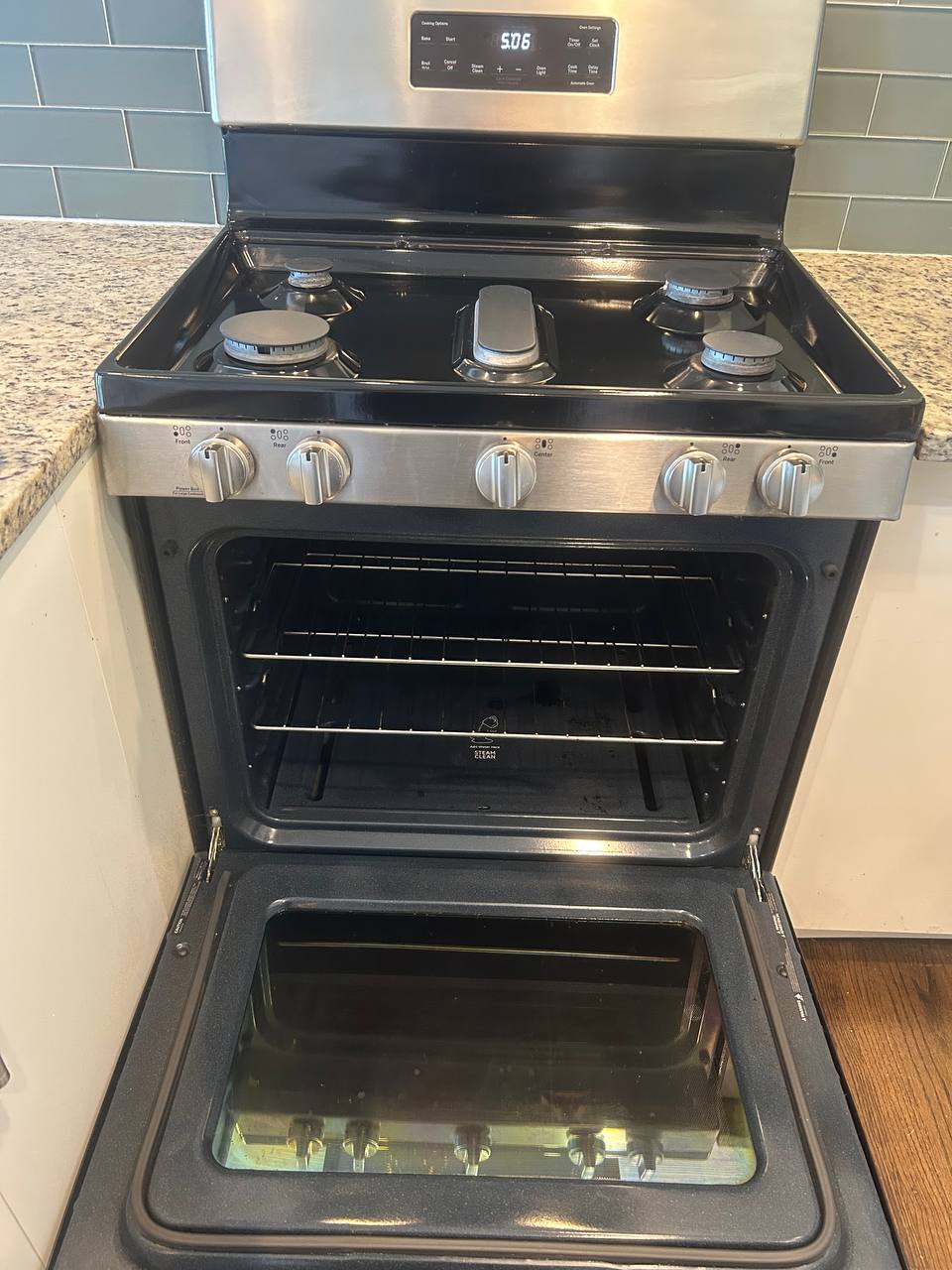
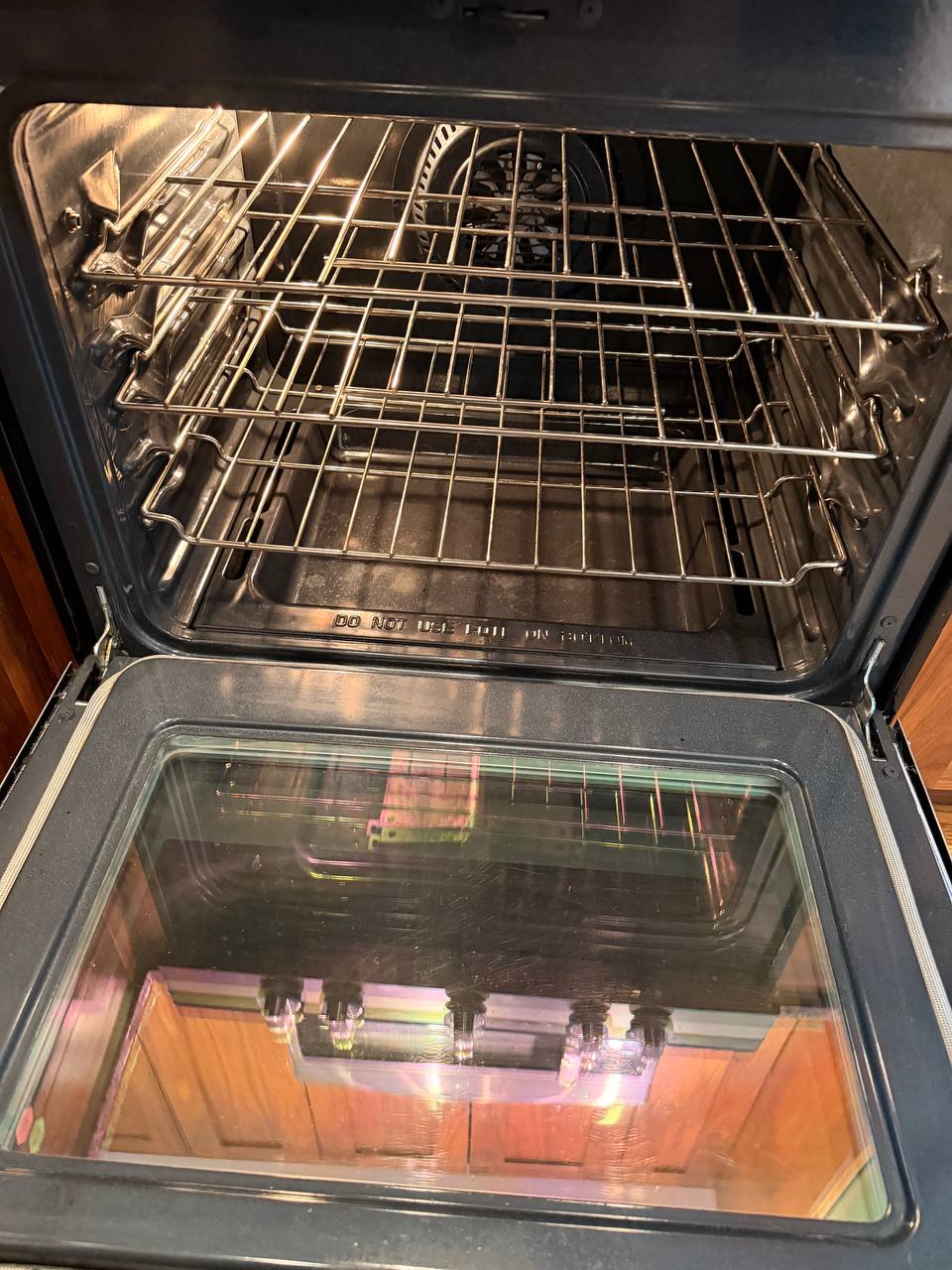
Beyond wear and tear — potentially chargeable: this is where dirt bites tenants. A dirty, greasy oven, a grimy refrigerator full of spills, a filthy bathroom with soap scum and mildew, sticky cabinets, filthy floors, pet stains and odors, large holes, and genuine damage all fall outside "ordinary wear and tear." A landlord can legitimately deduct the cost of cleaning or repairing these. The difference between "clean enough" and "chargeable" is often just a few hours of thorough cleaning.
That's the whole game: normal aging is on the landlord, but a mess is on you. A proper move-out cleaning erases the single most common — and most avoidable — reason deposits get shorted.
Where does the line actually fall? A useful rule of thumb: a landlord is generally entitled to get the unit back clean, but not improved. They can charge you for the grime you added, not for restoring the place to better-than-you-found-it condition. Carpet that's simply worn from years of ordinary walking is wear and tear; carpet with a large red wine stain or a pet-urine odor is damage. A wall with a few thumbtack holes is wear and tear; a wall you painted a bold color without permission, or one with a fist-sized hole, is damage. Understanding that distinction lets you focus your move-out effort where it counts — on dirt and mess you can actually clean away — instead of stressing over normal signs of living there.
Here's the checklist our crews work through on a Chicago move-out. Follow it and you'll leave the unit in the kind of shape no reasonable landlord can charge against.
Cleaning is half the job; proof is the other half. Before you hand over the keys, photograph or video every room once it's clean and empty, with a timestamp. Keep a copy of your move-in condition report if you filled one out. If you hire a cleaner, keep the receipt. This paper trail is exactly what protects you if a landlord tries to deduct in bad faith — and it's what makes those double-damages provisions in state law something you could actually invoke.
A few specifics make your documentation bulletproof. Shoot the same angles you (hopefully) captured at move-in, so you can put "before" and "after" side by side. Get close-ups of the spots landlords scrutinize most — inside the oven, the refrigerator interior, the tub and shower, and behind and under appliances. Photograph any pre-existing damage that was there when you arrived, so you're not blamed for it now. And do a final walkthrough with your phone recording, narrating the date as you go. It feels like overkill until the one time you need it — and then it's the difference between a full refund and a drawn-out dispute.
If a landlord does miss the deadlines or withholds without a proper itemized statement, you have options: the City of Chicago and local tenant organizations offer guidance, and the ordinance and state law both provide remedies. Keep everything in writing, stay factual, and don't be shy about referencing the specific deadlines — most reasonable landlords resolve things quickly once they realize you know the rules.
A thorough move-out clean takes hours, and you're doing it during one of the most stressful weeks of your life, often after the furniture's gone and you're exhausted. For most renters, the math is simple: a professional move-out cleaning costs a fraction of a shorted deposit, and it comes with the documentation and the done-right result that keeps a landlord from having any leg to stand on. We break down that math in why move-out cleaning services near you are worth every penny.
Our move-out cleaning service is built around exactly the checklist above, backed by our 75-point inspection so nothing gets missed. For units that have gone a long time without a deep clean, pairing it with a deep cleaning gets even the toughest ovens, tubs, and buildup back to spotless.
You've got enough to juggle on moving day. Let us handle the cleaning that stands between you and your full deposit. Spotless Home Cleaners has served Chicago and 70+ surrounding suburbs for 11 years, with a background-checked crew, eco-friendly products, transparent pricing, and a 100% satisfaction guarantee. We know exactly what Chicago landlords look for — and we leave your old place spotless enough that they've got nothing to charge you for.
Call us now and book your move-out cleaning today. Give yourself one less thing to worry about, and give yourself the best shot at getting every dollar of that deposit back.

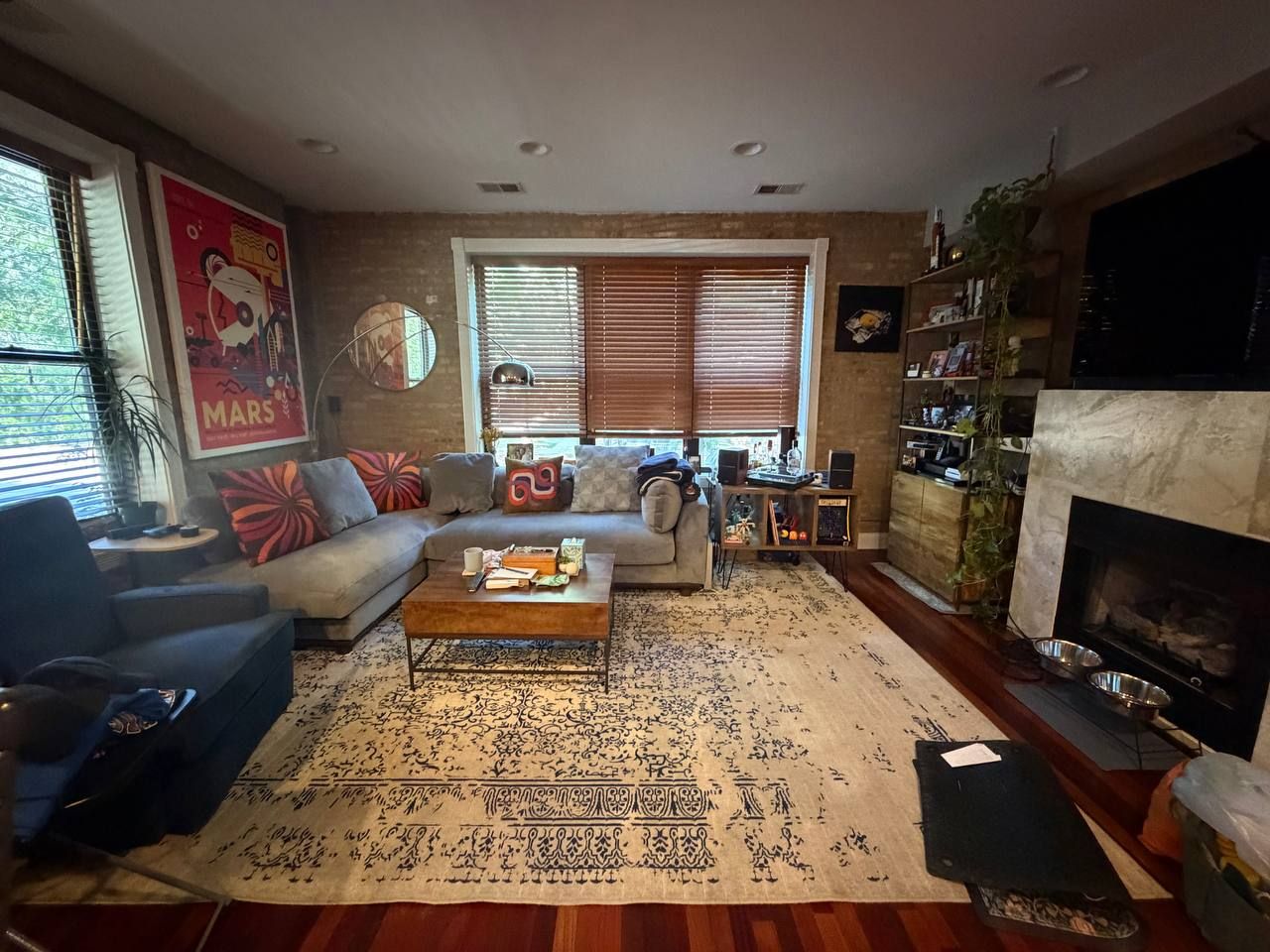


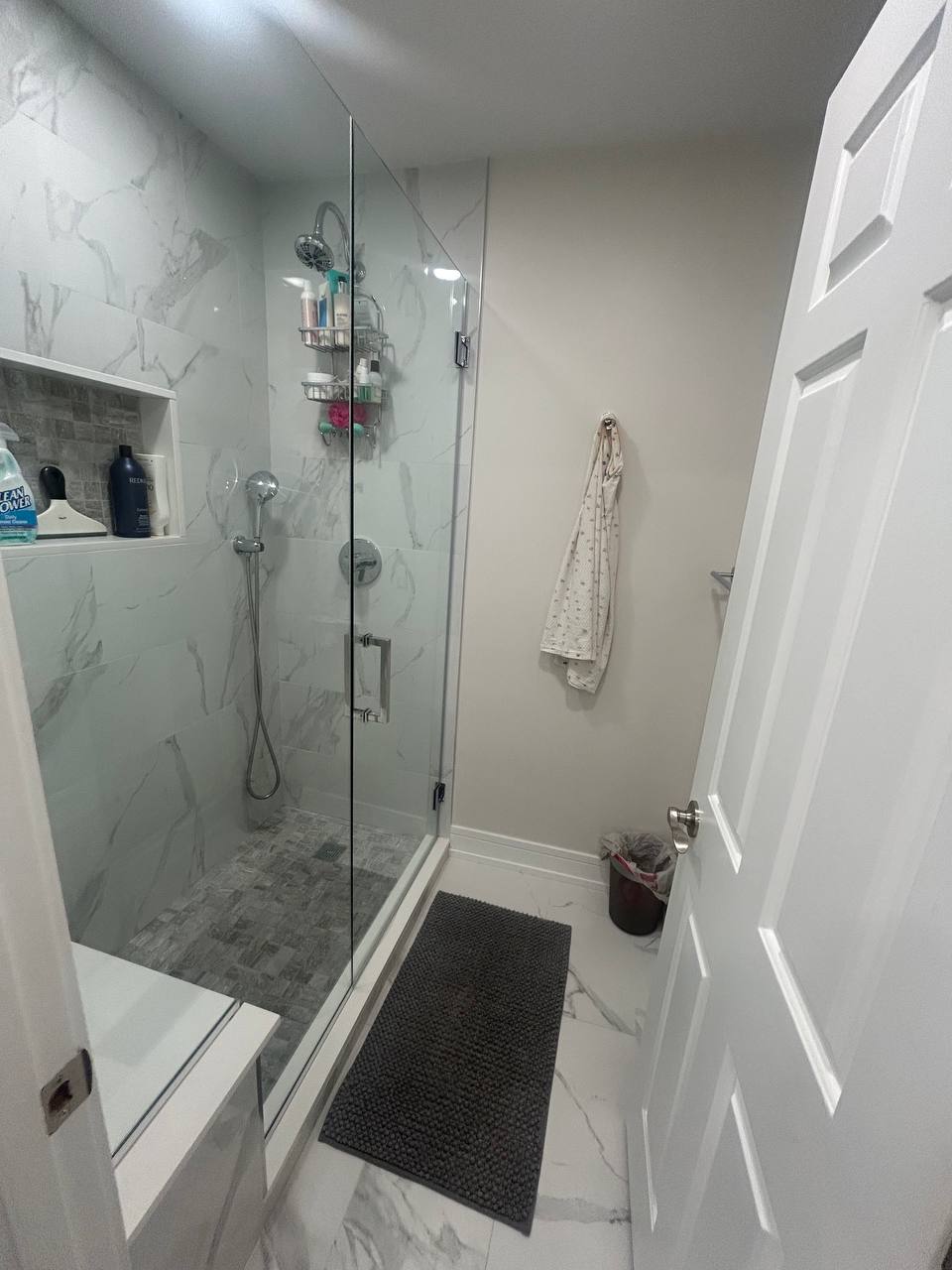
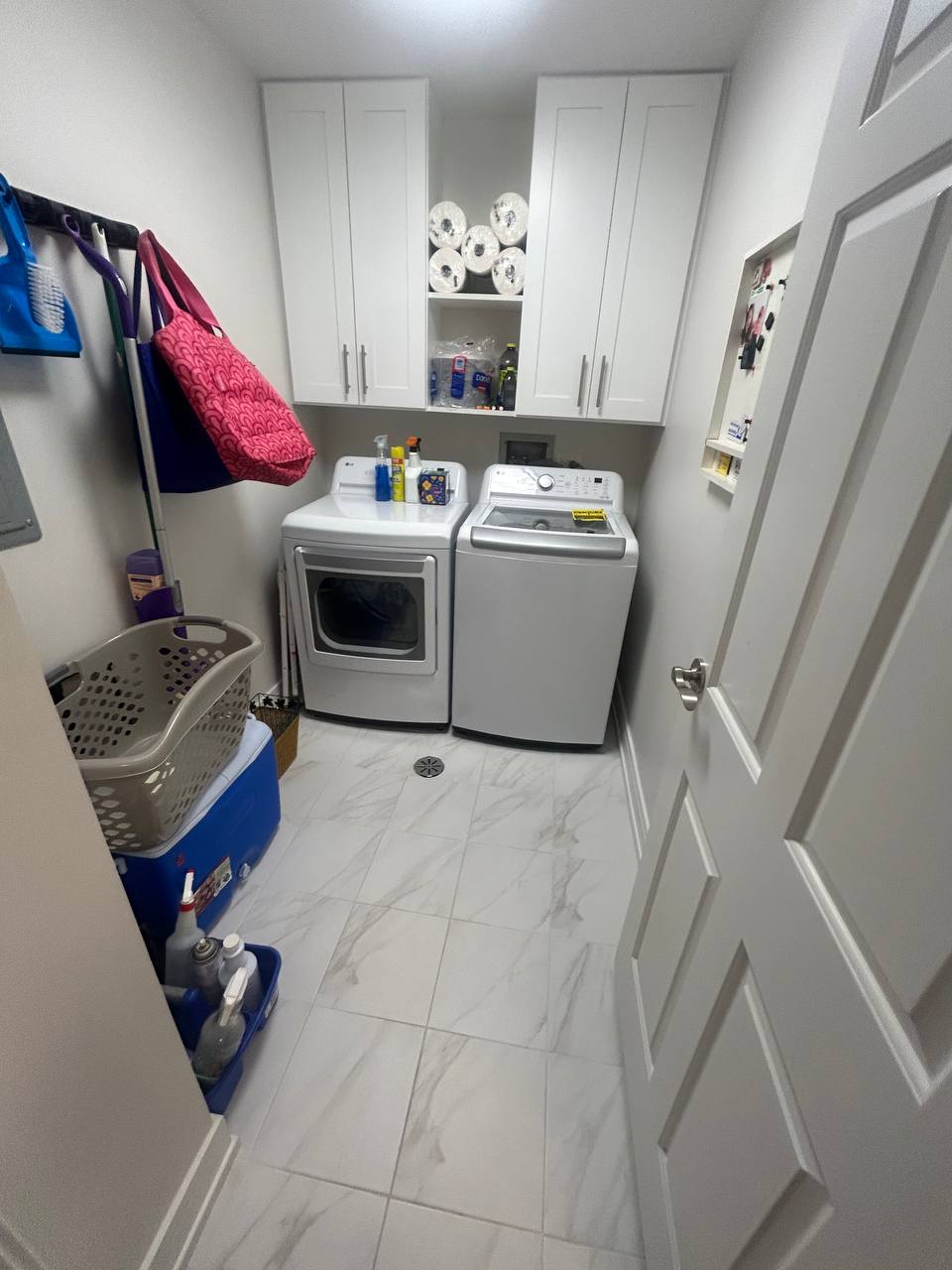
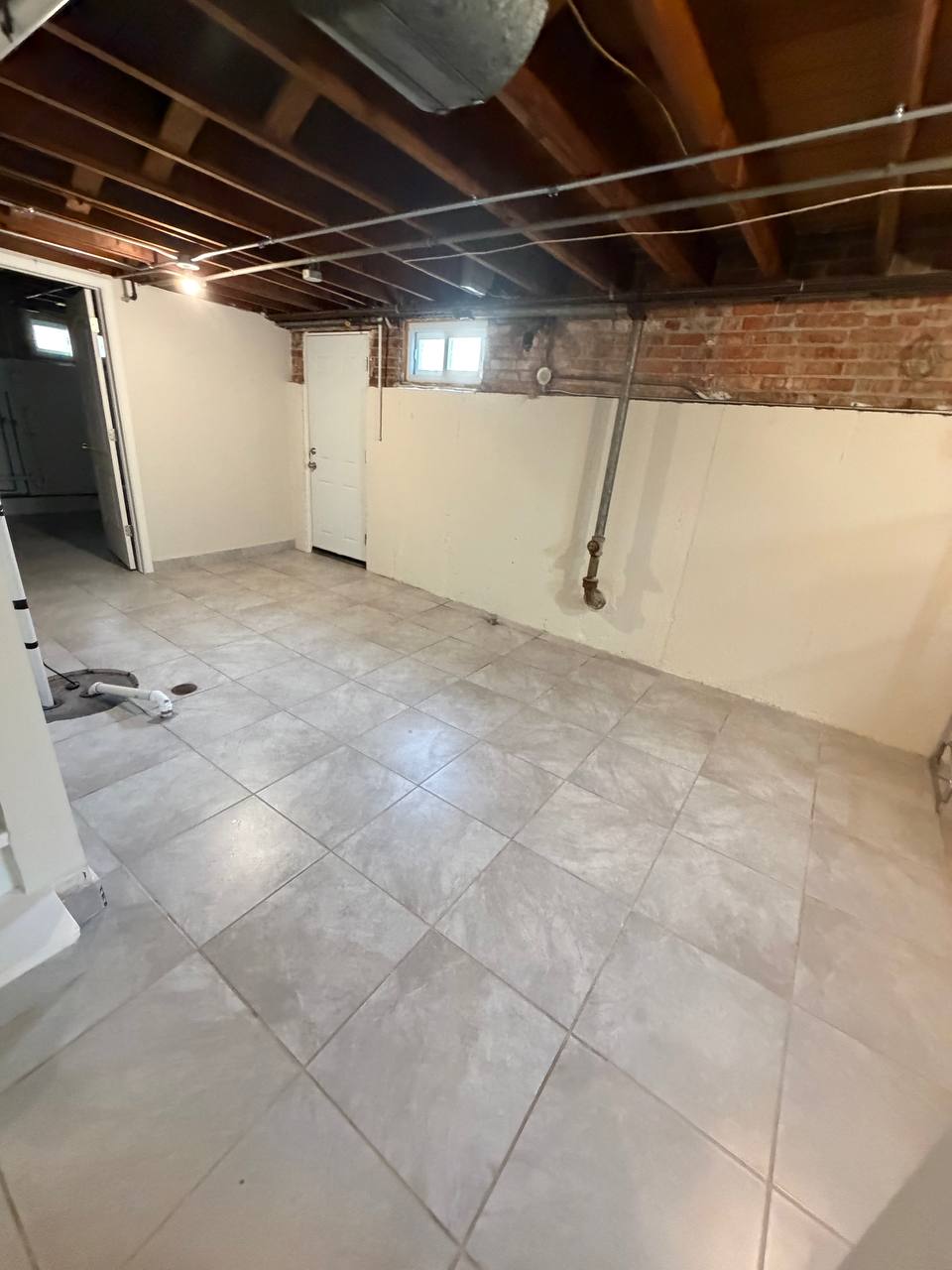
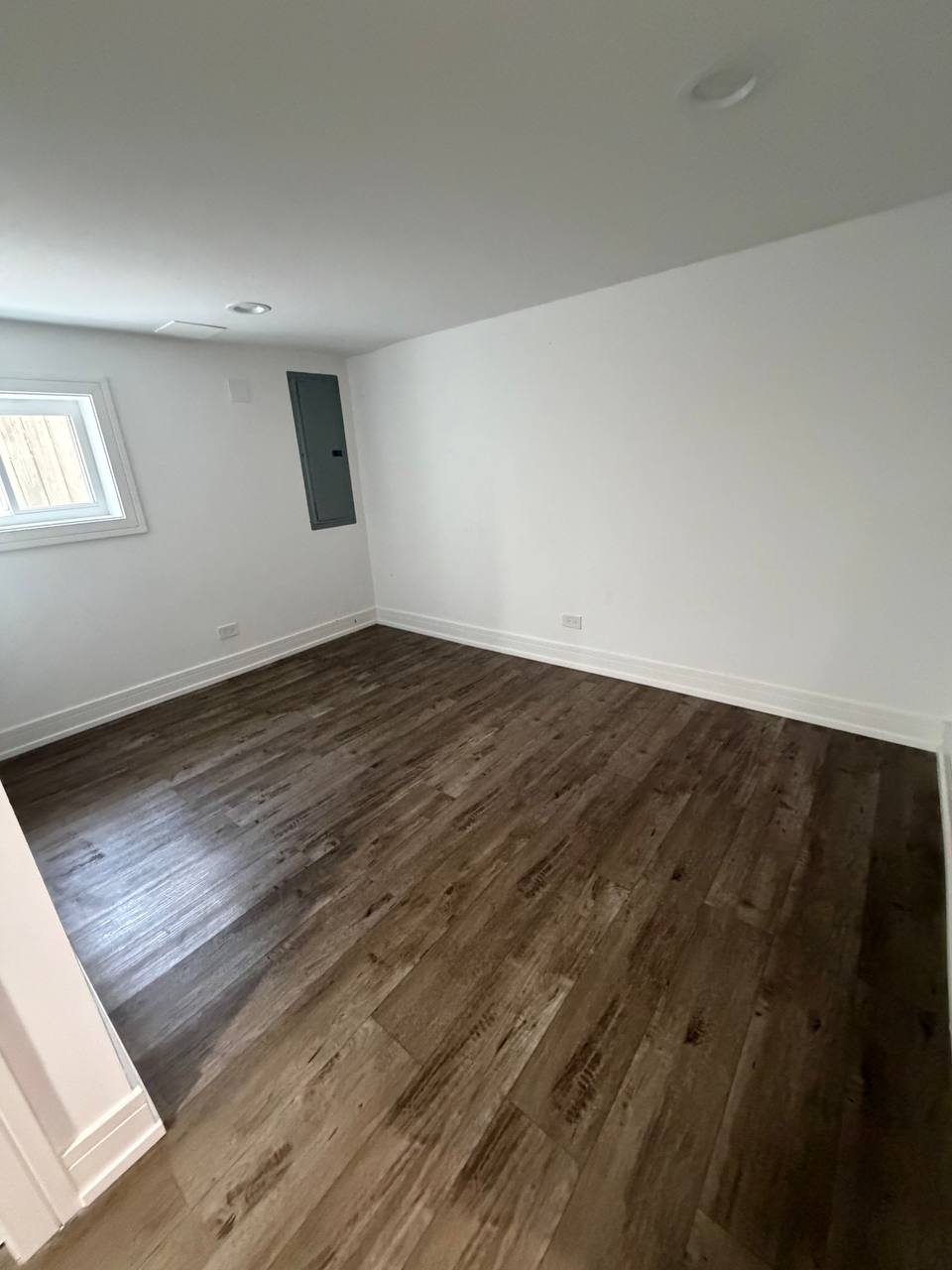
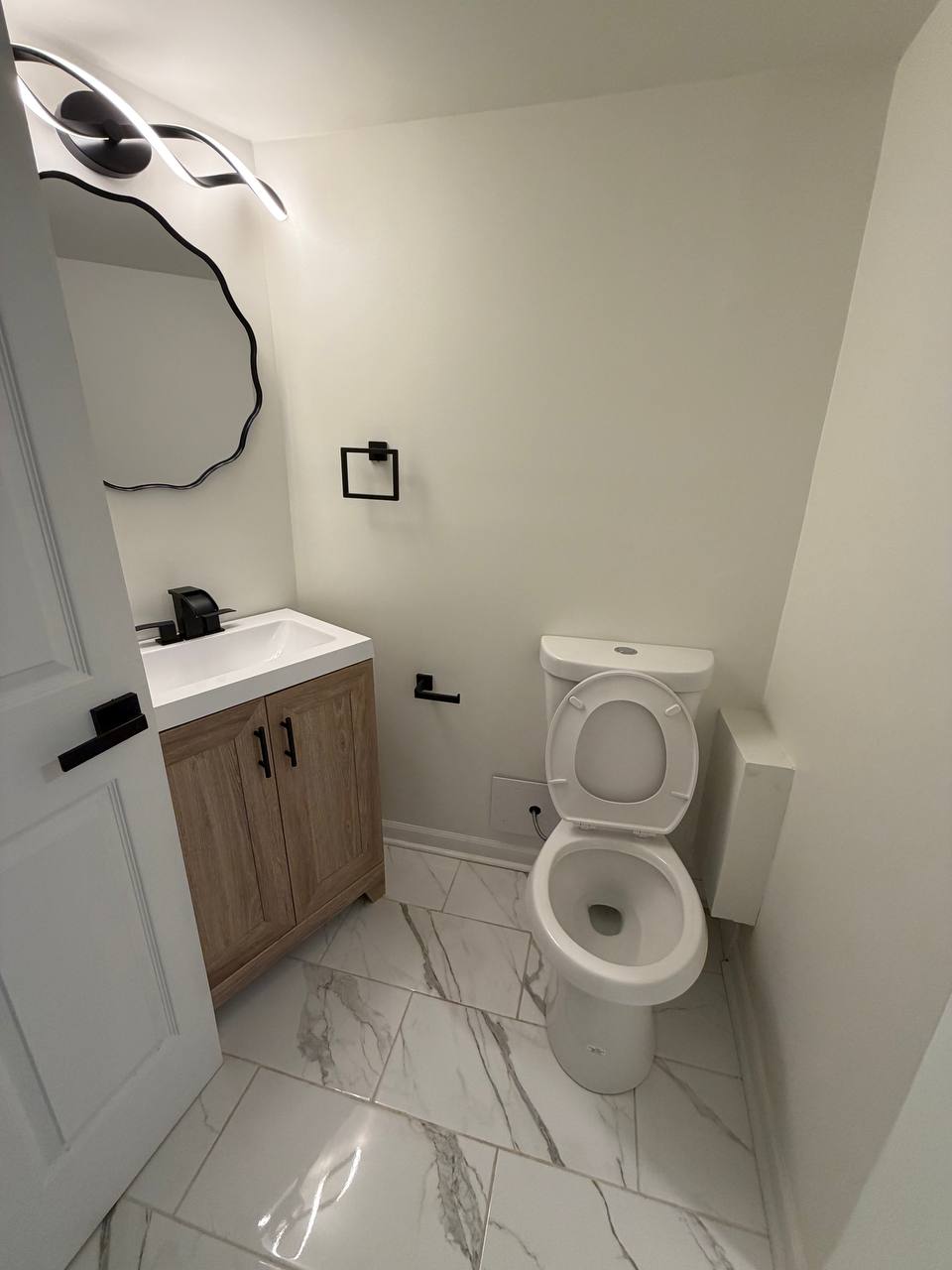
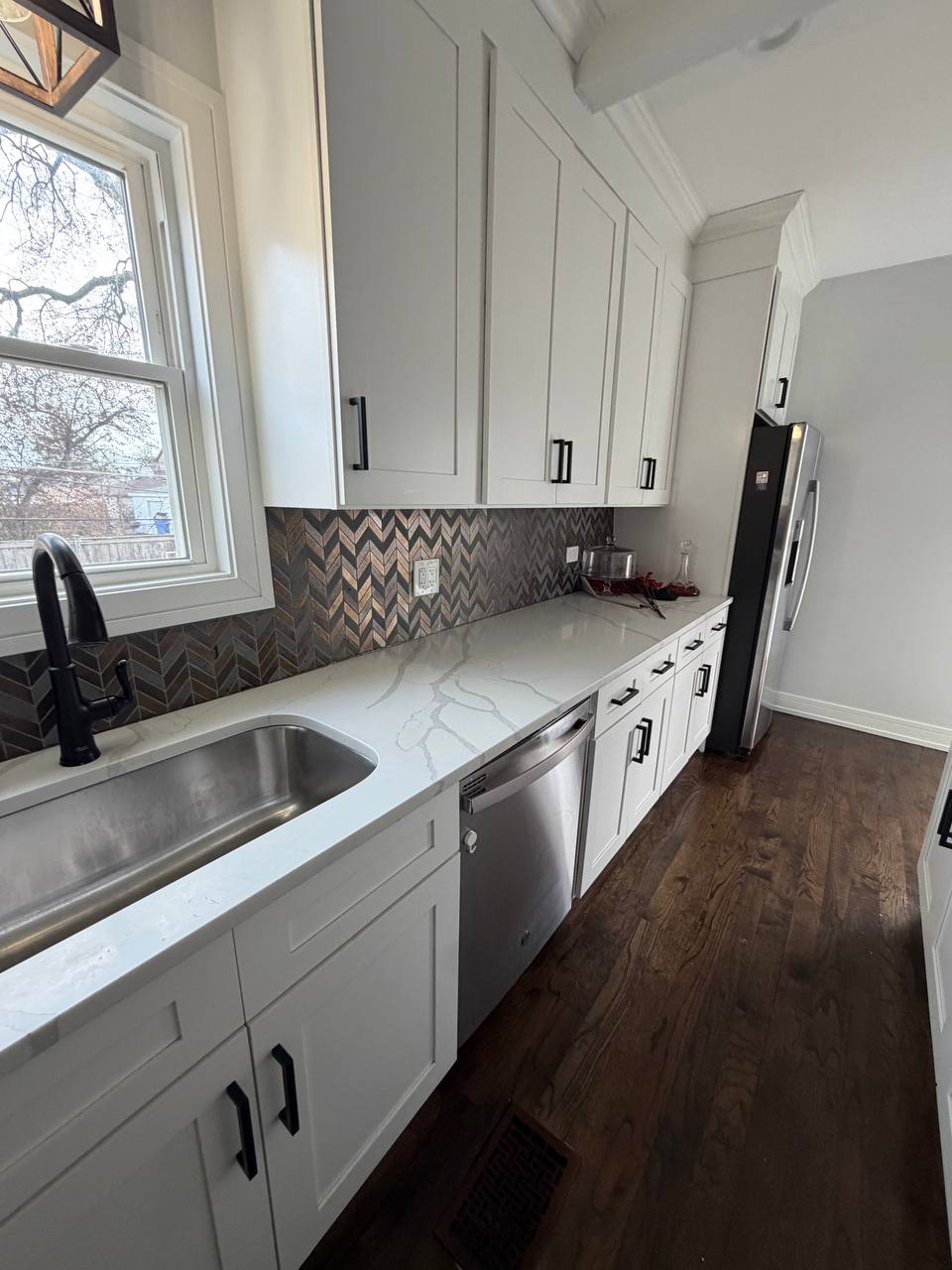
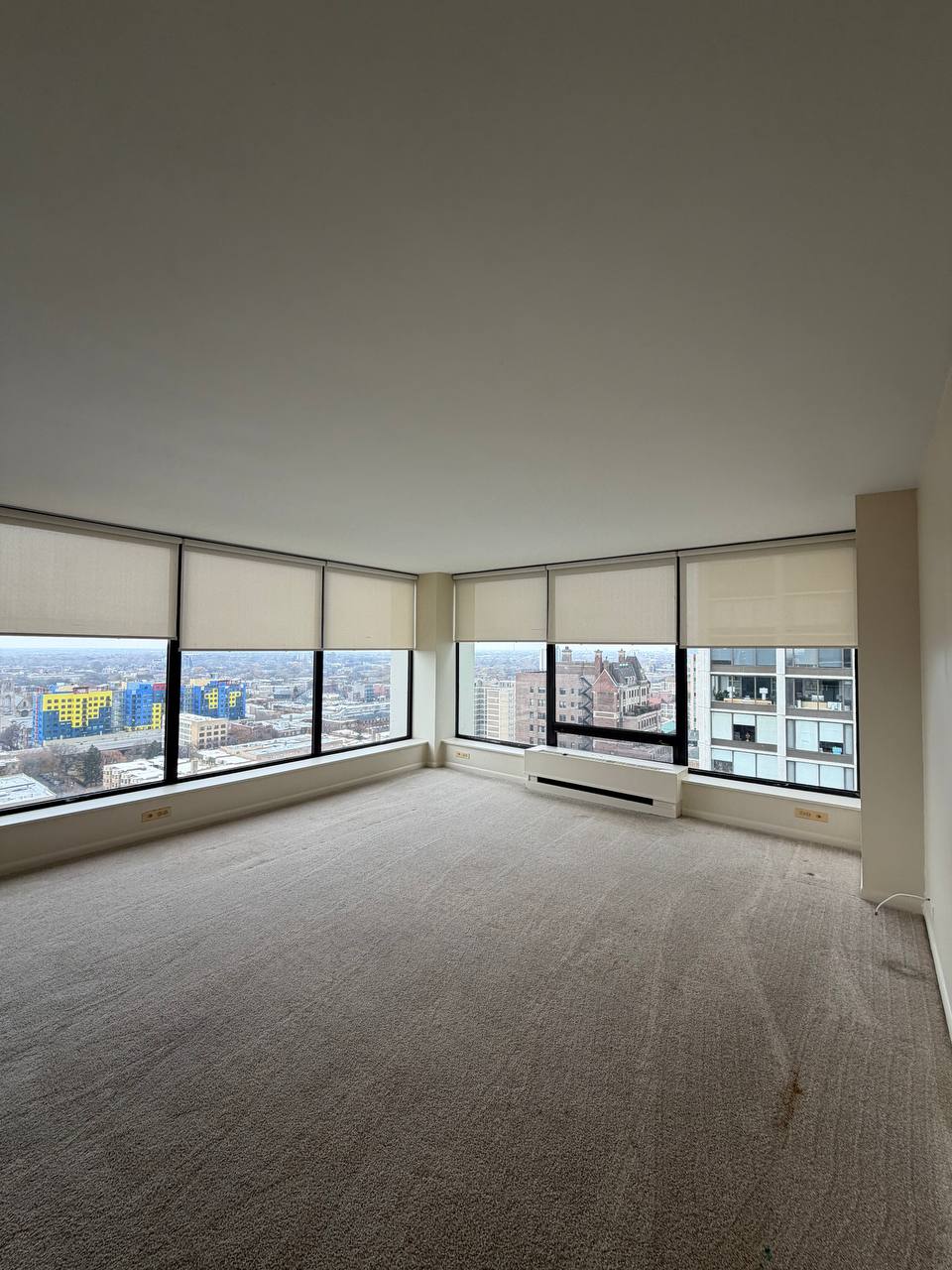
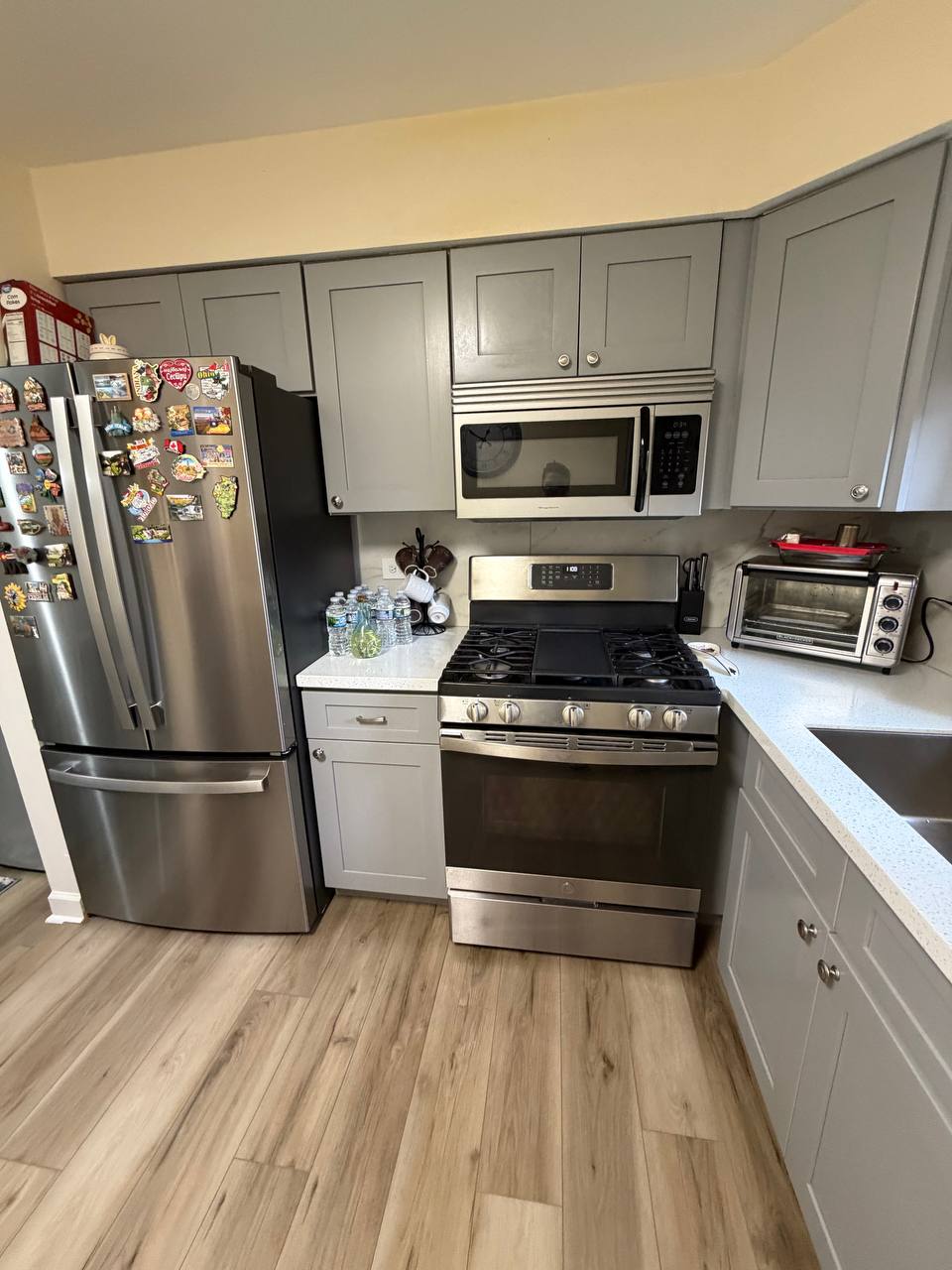
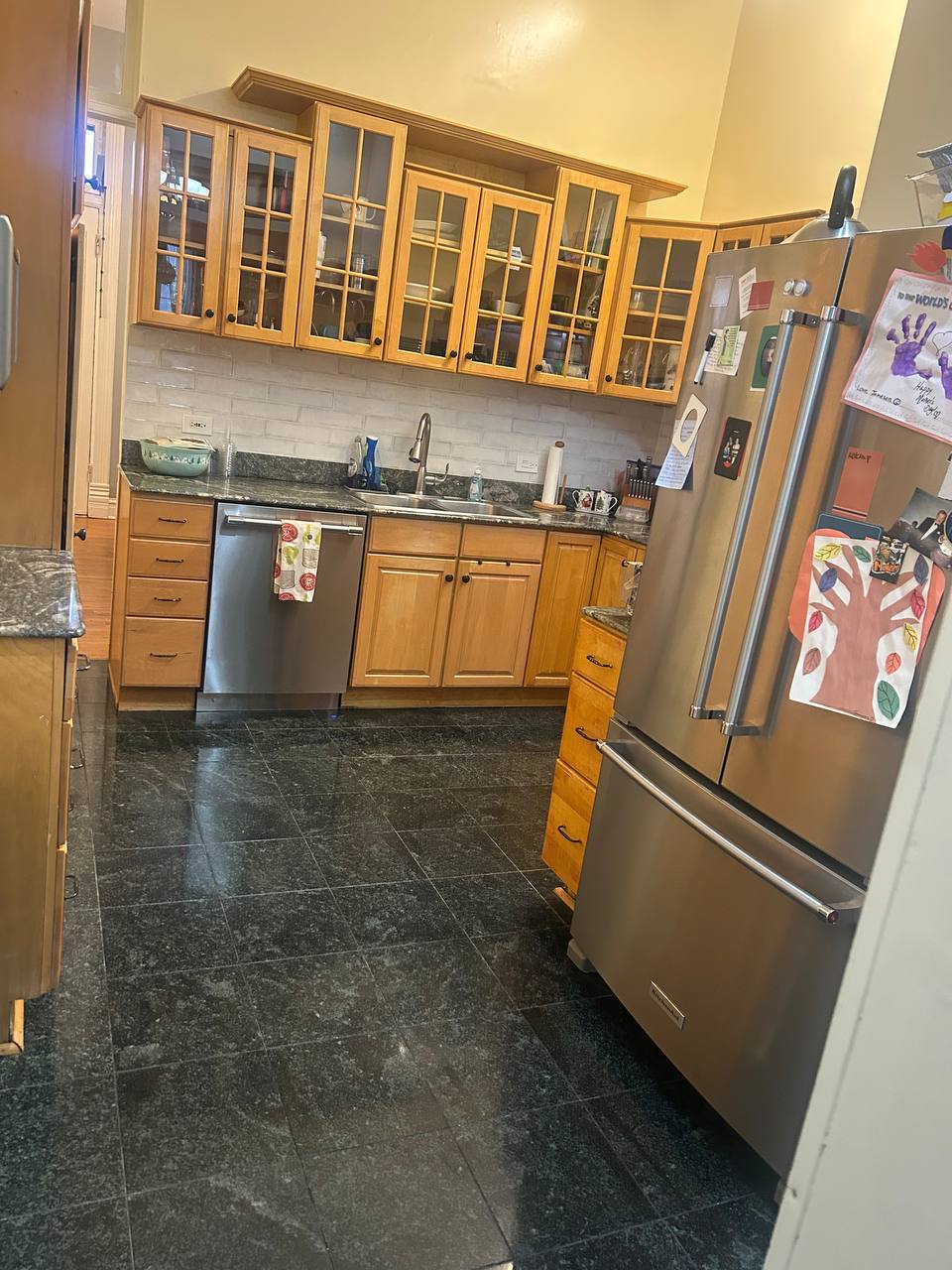
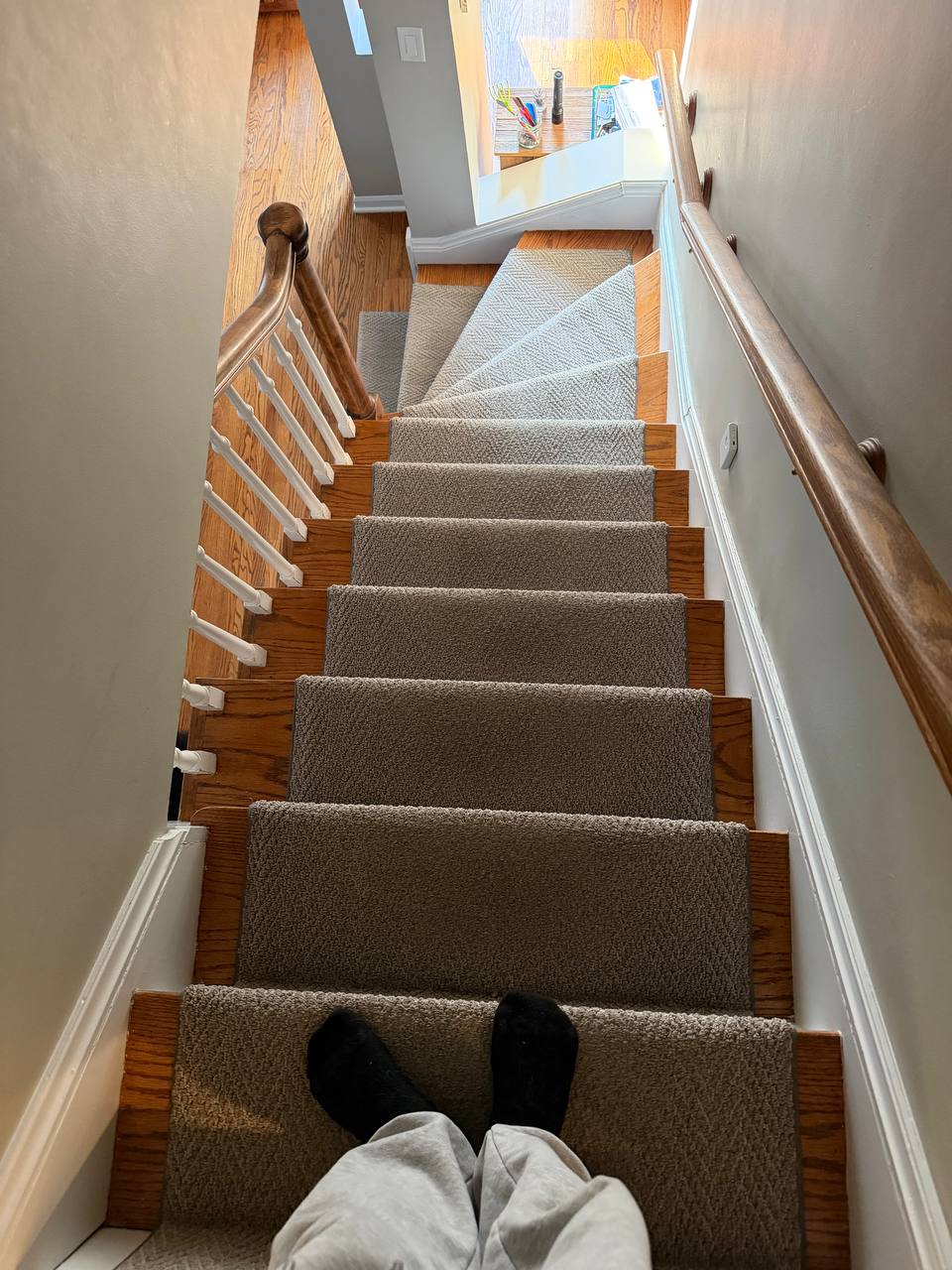


















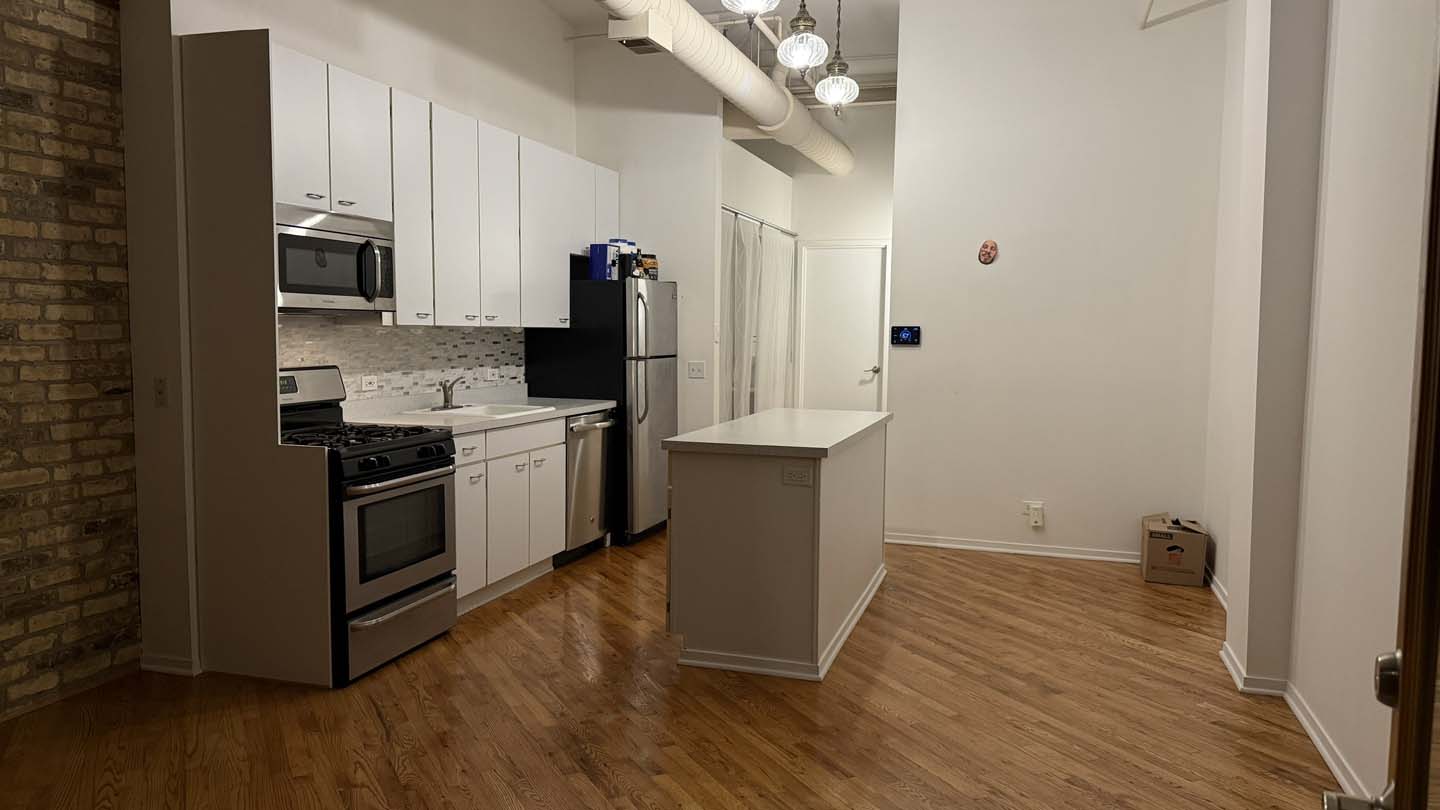

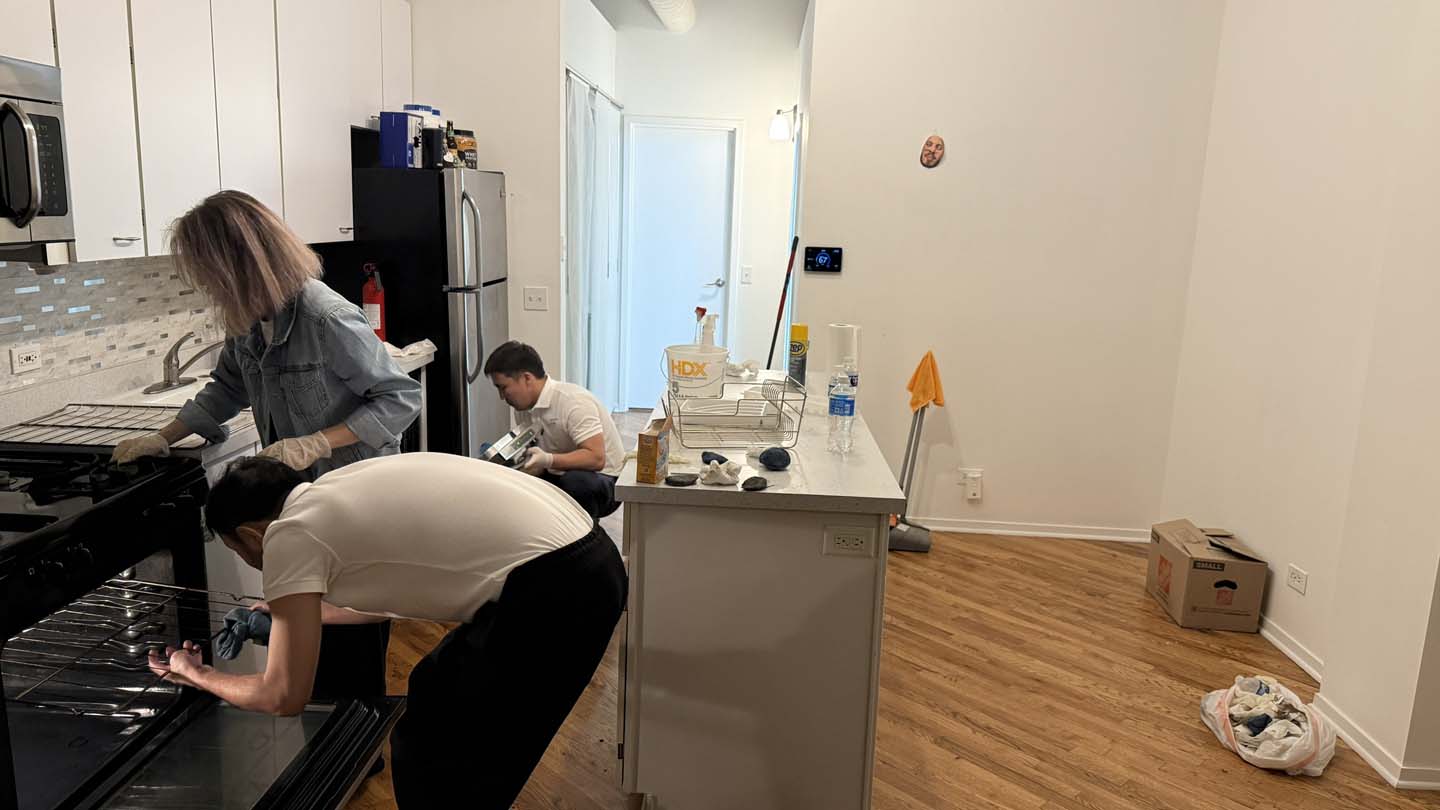

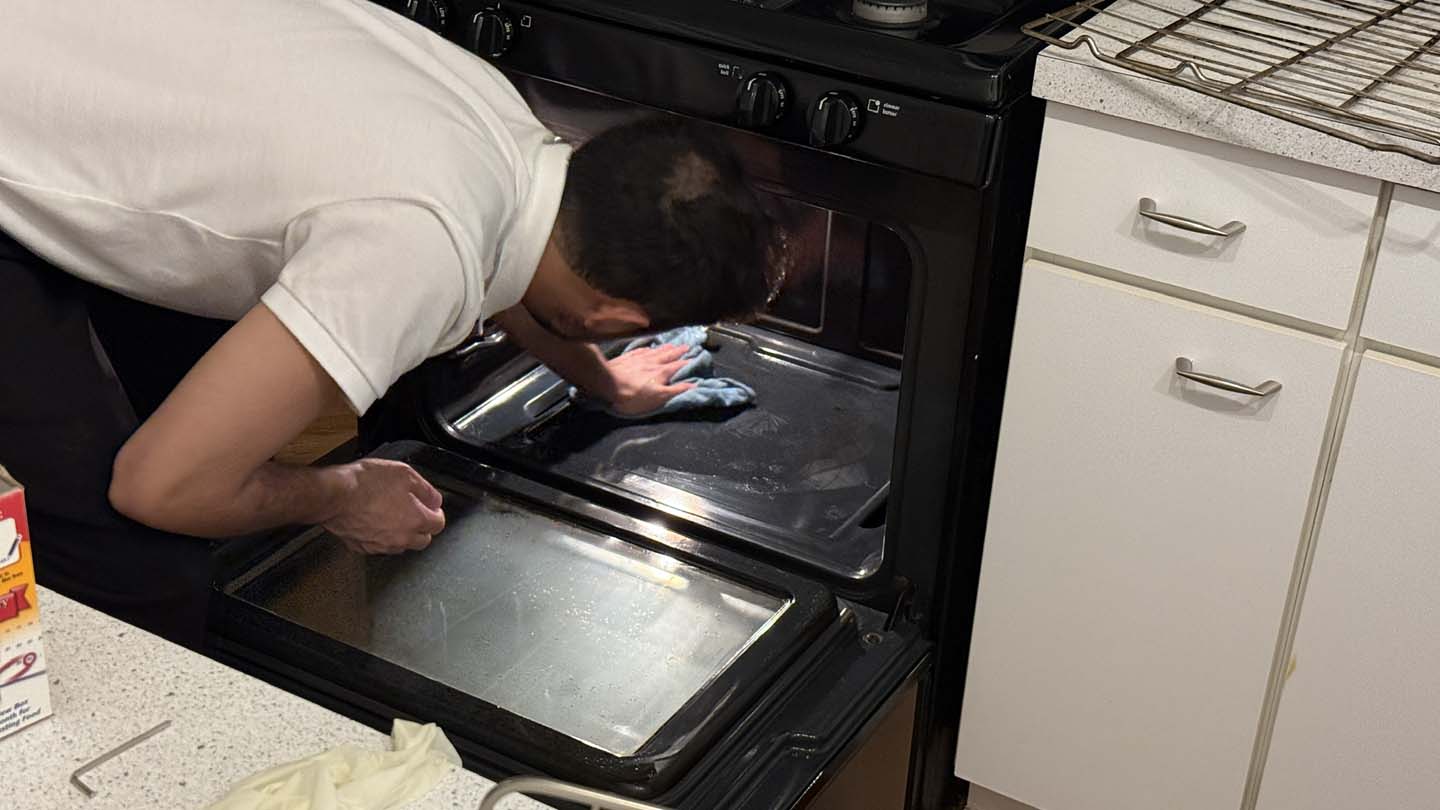

Keep your space fresh, clean, and stress-free with our full range of residential cleaning services in Chicago, IL. Whether you need routine maintenance, a deep clean, or move-in/move-out service, our expert team delivers spotless results every time.