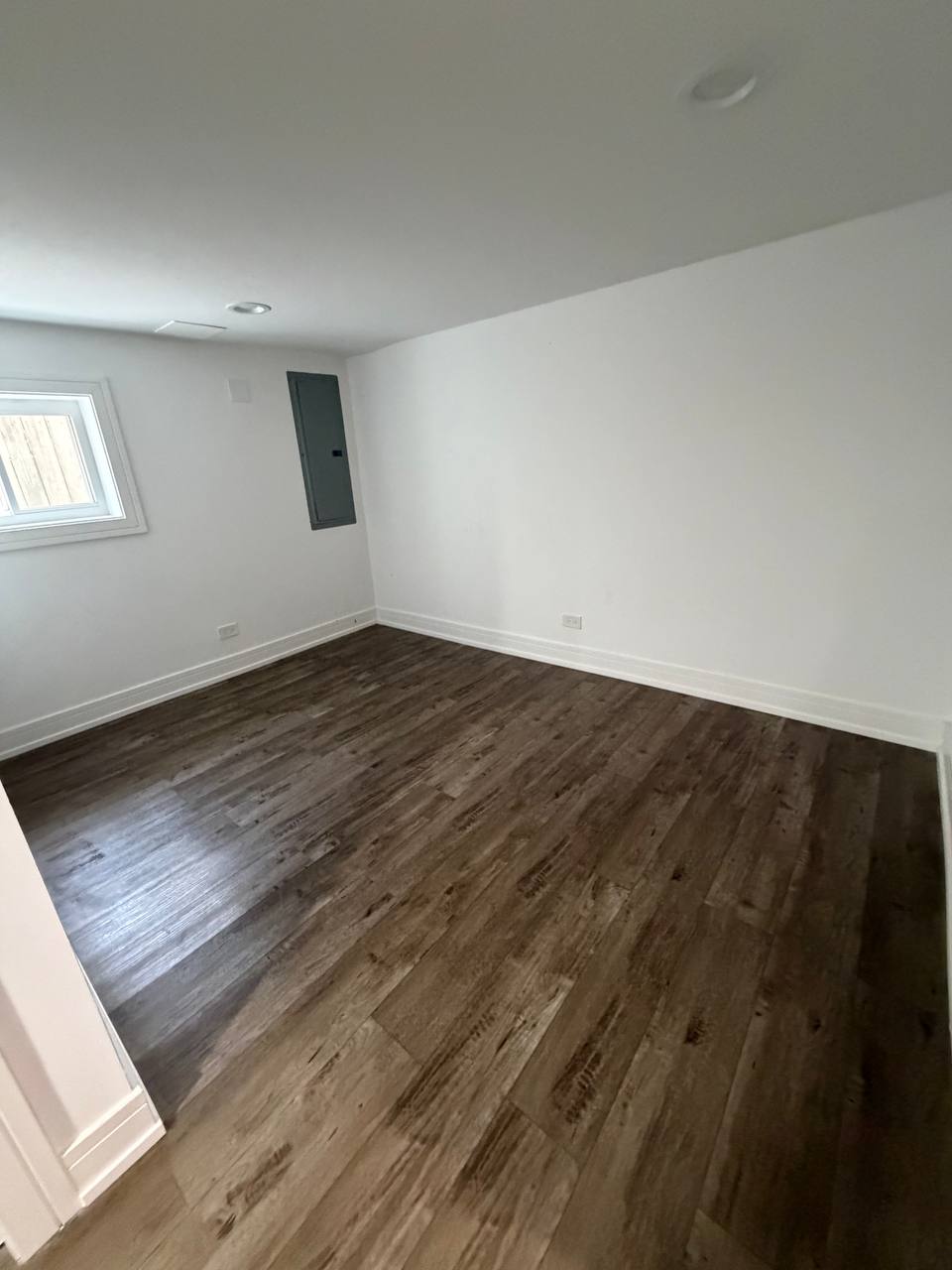
Every Chicago winter, the same thing happens. The city and the suburbs dump salt and ice-melt on the roads and sidewalks by the truckload, and every time you or your kids or your dog walk in the door, a little of it comes along for the ride. By February, that hazy white film along your entryway and hallway hardwood isn't dirt — it's road salt. And if you clean it the wrong way, you can do lasting damage to a floor that's expensive to refinish.
In the thousands of Chicago homes we've cleaned over 11 winters, salt residue on hardwood is one of the most common seasonal problems we're called in to fix. The good news is that removing it is straightforward once you understand what salt actually is and why the usual "grab the vinegar" advice is exactly wrong here. Let me walk you through how to remove road salt from hardwood floors the right way — and how to keep it from tracking in at all.
Rock salt and commercial ice-melt are alkaline, and they're designed to attract and hold moisture — that's how they melt ice. When that residue dries on your hardwood, it leaves a chalky white haze that dulls the finish. Worse, because salt draws in and holds water, it keeps a little moisture sitting against the wood and the finish, which over time can etch, cloud, or discolor both the polyurethane topcoat and the wood itself. It does the same thing to grout and stone at your entryway.
There's a second, sneakier problem: the salt crystals are gritty. Ground underfoot, they act like sandpaper, scratching micro-abrasions into your finish. That's why the very first step in removing salt is not about the salt at all — it's about the grit.
And it's not just plain rock salt anymore. Most modern ice-melt is a blend — sodium chloride, calcium chloride, magnesium chloride, sometimes with colorants or additives. Calcium and magnesium chloride are especially good at holding moisture, which is great on your driveway and terrible on your floors, because that residue stays slightly damp and keeps working against the finish long after the visible slush is gone. When you see a greasy or slick film rather than a dry powder, that's usually one of these moisture-loving blends, and it needs the same careful, neutral-pH removal.
Here's the exact method our crews use on Chicago hardwood all winter long. The order matters — don't skip step one.
Before any moisture touches the floor, get every loose salt crystal and speck of grit off it. Use a soft broom, a dust mop, or a vacuum with the beater bar turned off (a spinning brush roll can scratch hardwood). If you skip this step and go straight to mopping, you'll drag abrasive grit across the finish and scratch it. Dry removal first, every time.
This is where most people go wrong. The internet loves to recommend vinegar for everything, but on salt-covered hardwood it's a mistake. Vinegar is acidic, and acid combined with salt can damage your floor's finish. It can also dull the polyurethane over time. Instead, reach for a pH-neutral cleaner made specifically for hardwood floors (Bona and similar wood-floor cleaners are formulated for exactly this). The neutral pH dissolves and lifts the alkaline salt residue without attacking the finish.
Mist the cleaner lightly onto a microfiber mop pad — not directly flooding the floor — and work in the direction of the wood grain.
Hardwood and standing water are enemies. Water that pools on a wood floor seeps into the seams, swells the boards, and causes cupping and finish damage. Your mop should be damp, not wet — wring it out until it's barely moist. If you can see a wet trail behind your mop that doesn't evaporate in a few seconds, there's too much water on it.
Finish by drying the area with a clean, dry microfiber cloth or a dry mop pad, especially in the high-traffic entry zone where salt collects most. Getting the surface fully dry removes the last of the residue and makes sure no moisture lingers to cloud the finish.
For heavy buildup, you may need to repeat the damp-mop and dry sequence a couple of times rather than scrubbing hard once. Patience beats aggression on a finished wood floor. For the broader do's and don'ts of caring for wood, our guide on how to clean hardwood floors without damaging them covers everything from the right products to the mistakes that shorten a floor's life.
The best salt-removal method is keeping the salt off the floor in the first place. This is where you win the winter. A few simple habits make an enormous difference:
These habits also protect your other flooring. Salt is just as rough on LVP and laminate floors, and the same "sweep grit first, damp-mop, dry fast" logic applies there too.
A word on entry mats specifically, because this is the highest-leverage move in the whole article: the mats have to be big enough to matter. A tiny welcome mat gets one footstep before the boot is back on your hardwood. Aim for a runner long enough that a person takes two or three full steps on it before reaching the wood — that's what actually scrubs the salt off the soles. Shake those mats out or vacuum them regularly through the winter, because a mat saturated with dried salt stops absorbing and starts redepositing.
Salt damage concentrates in predictable places, so that's where to focus your attention: the first few feet of hardwood inside every exterior door, the mudroom, the hallway runners' edges, and anywhere the dog's paws land after a walk. Pets are a big source of tracked-in ice-melt, and the salt can irritate their paws too, so wiping their feet at the door does double duty.
Keep in mind that road salt is one hazard in a full calendar of Chicago seasonal cleaning challenges — from spring pollen to summer humidity and hard-water buildup. Our Chicago seasonal cleaning calendar maps out the whole year so you know what to tackle and when, and if you're curious why your fixtures also fight you, does Chicago have hard water explains the mineral side of the story.
How often should you be doing the full salt removal? Through the heart of a Chicago winter — roughly December into March, and especially in the days right after a snow-and-salt event — a proper damp-mop of your entryway and main traffic lanes once a week keeps buildup from ever getting a foothold. A quick daily dry sweep of the entry zone in between is even better, and takes under a minute. The homes that come through winter with their floors intact are the ones doing a little, often, rather than one heroic scrub in April after the damage is done.
If salt has been sitting on your floors for weeks and the finish already looks cloudy or hazy, don't panic and don't reach for anything abrasive. Start with the gentle pH-neutral cleaning method above — often the haze is just residue that lifts off once the salt is properly dissolved. If a dull spot remains after cleaning and drying, that's a sign the finish itself has been affected, and it's worth having a professional look before you try any DIY refinishing product that could make it worse.
Resist the temptation to reach for the "quick fixes" that make things worse. Steam mops are a common mistake — the heat and forced moisture are exactly what a sealed wood floor can't take, and they can blow past a worn finish into the wood. Melamine "magic" sponges and any scouring pad will scratch the topcoat. Oil soaps and wax-based products leave a residue that builds up, traps dirt, and complicates any future refinishing. When in doubt, less is more: a lightly dampened microfiber pad, a floor-specific neutral cleaner, and a dry pass. That gentle approach removes salt reliably and never costs you a finish.
Chicago winters are long, and keeping salt off your floors week after week is a real chore on top of everything else the season throws at you. That's exactly what we're here for. Spotless Home Cleaners has cleaned Chicago and 70+ surrounding suburbs for 11 years, with a background-checked crew, eco-friendly products, and a 100% satisfaction guarantee. We know how to treat hardwood right — the correct products, the correct order, and never a drop of standing water.
Call us now and book your cleaning today. Ask about adding regular standard cleaning visits through the winter to keep salt residue from ever building up on your floors.

















Keep your space fresh, clean, and stress-free with our full range of residential cleaning services in Chicago, IL. Whether you need routine maintenance, a deep clean, or move-in/move-out service, our expert team delivers spotless results every time.