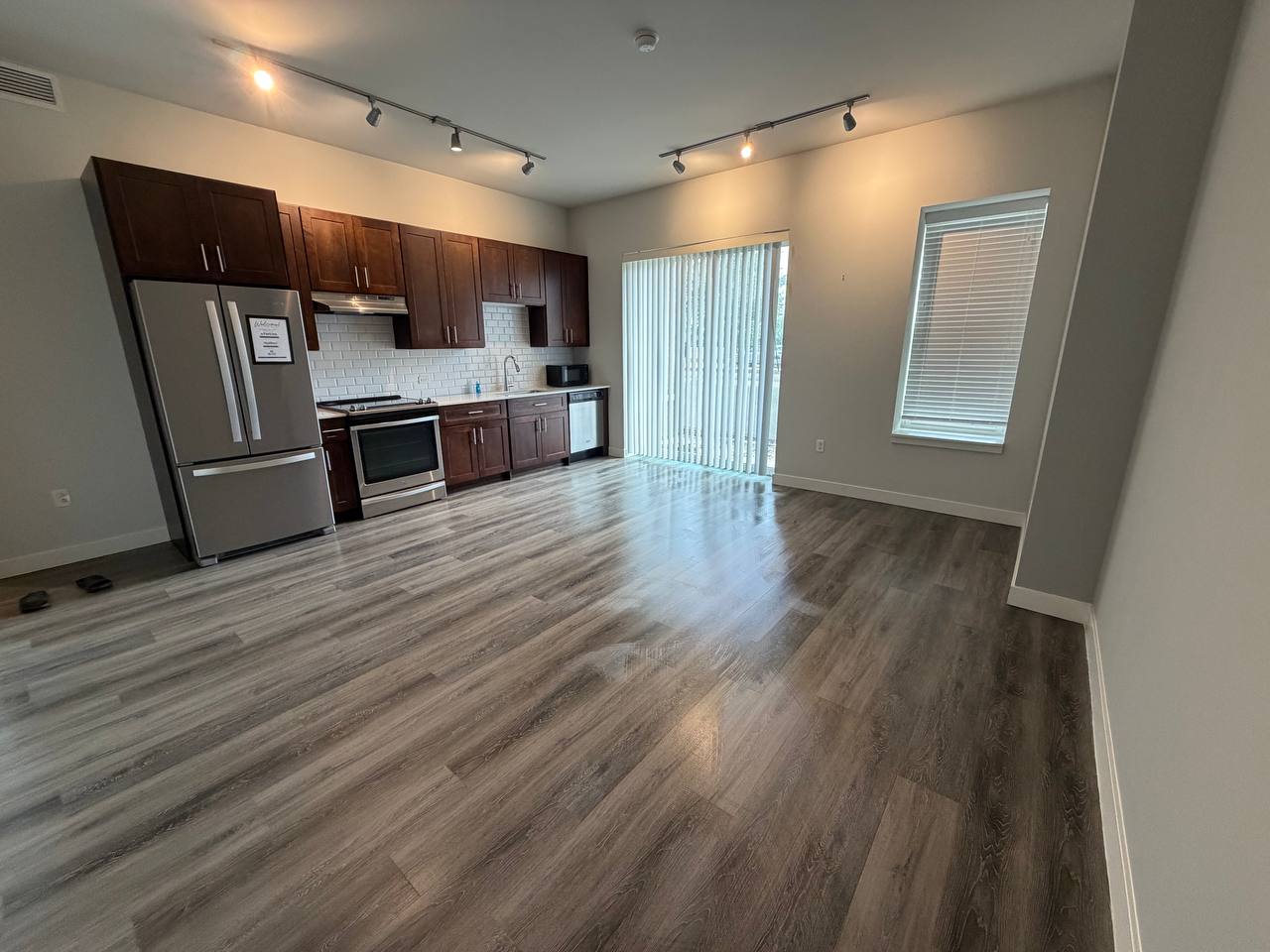
Luxury vinyl plank and laminate have taken over Chicago-area homes for good reason: they look like hardwood, they cost less, and they stand up to kids, pets, and salty winter boots better than almost anything else. But here's what I've learned in the thousands of homes we've cleaned — the very things that make these floors durable also make them easy to ruin if you clean them the wrong way. And the wrong way is exactly what most people have been taught.
So let's set the record straight. If you've been wondering how to clean vinyl plank flooring (or laminate) the right way, the method is refreshingly simple. The bigger lesson is what to avoid — because a single bad habit, like dragging out the steam mop, can permanently damage a floor that should last decades.
People lump these floors together with real wood, but they're built completely differently, and that changes how you care for them. Luxury vinyl plank is 100% synthetic — a printed image layer topped with a clear "wear layer" that resists scratches and moisture. Laminate is different again: it's a photographic layer over a compressed wood-fiber (HDF) core, sealed on top. That wood core is the vulnerable part, because standing water swells the core and causes planks to bubble and lift at the seams.
Real hardwood, by contrast, is solid wood that can be sanded and refinished but hates moisture in its own way. If you have actual hardwood elsewhere in your home, treat it differently — our guide on how to clean hardwood floors without damaging them covers that, and here in the Midwest, removing road salt from hardwood floors is its own seasonal battle. For LVP and laminate, the routine is gentler and drier than most people realize.
Always start dry. Grit, sand, and pet hair act like sandpaper underfoot, and dragging a wet mop over them just grinds fine scratches into the wear layer. Sweep with a soft broom or run a vacuum on its hard-floor setting with the beater bar (the spinning brush roll) turned OFF. That rotating brush is designed for carpet; on a hard floor it can scuff and scratch the finish. Most vacuums have a bare-floor button or a way to disengage the brush roll — use it.
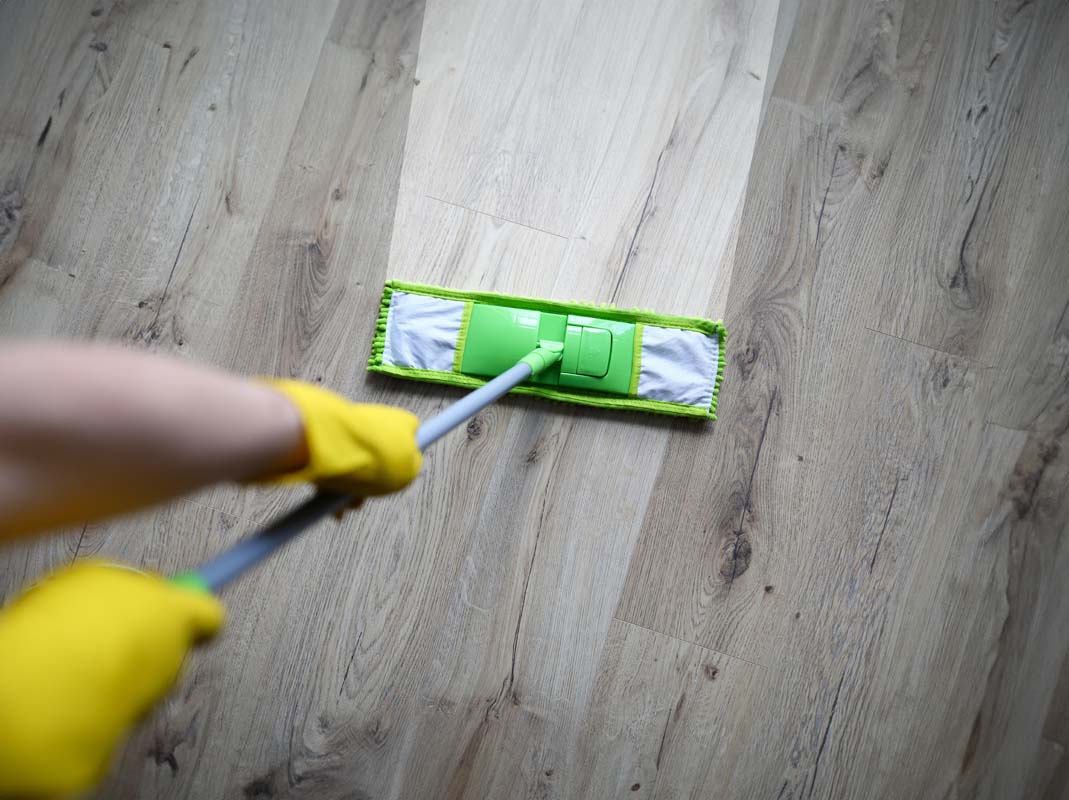
The key word is damp, not wet. Use a well-wrung microfiber mop — wrung out enough that it leaves only a light film of moisture that evaporates in a minute or two. If you can see water sitting on the floor or pooling in the seams, your mop is far too wet.
For cleaning solution, keep it simple and gentle. Use a pH-neutral floor cleaner made for vinyl or laminate, or make your own with just a small squirt of dish soap in a bucket of warm water. That's genuinely all these floors need. Mop in sections, and if you're doing laminate especially, keep it barely damp and dry any lingering moisture with a towel as you go.
Don't let spills sit — especially on laminate. Water, pet accidents, and drink spills that linger can seep into seams and swell the core over time. A quick wipe the moment something spills prevents nearly all long-term water damage. Keep a microfiber cloth handy in the kitchen and near entryways, where spills and melting snow are most likely.
For sticky messes like dried juice or food spatter, resist the urge to grab a scrubby pad or scrape at it. Instead, lay a warm, damp cloth over the spot for a minute to soften it, then wipe it away gently. Patience beats abrasion every time on these finishes.
Stick felt pads under furniture legs so chairs and tables don't gouge the wear layer when they move. Place walk-off mats at exterior doors to catch grit and winter salt before it ever reaches the floor. These two cheap habits do more to extend a floor's life than any cleaner.
This is the part I wish every homeowner read before mopping. The damage below is often irreversible, and I've seen every bit of it firsthand.
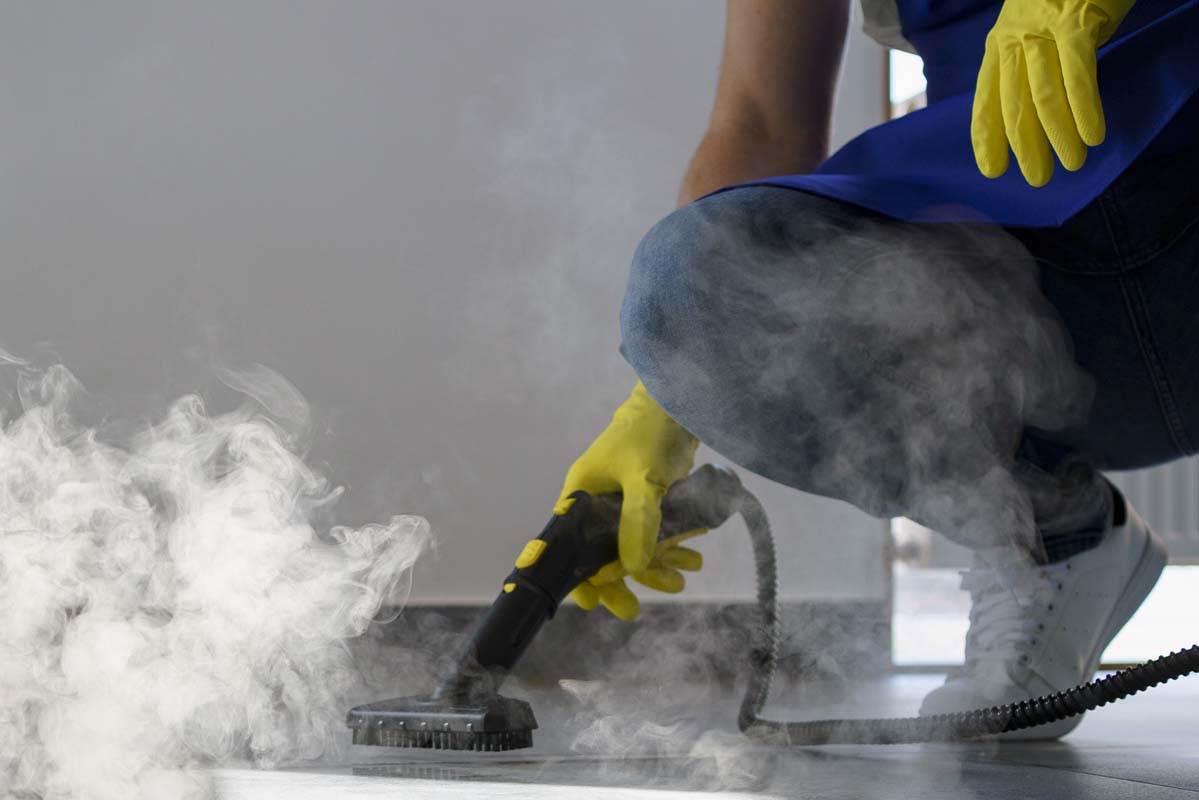
I'll say this as plainly as I can: do NOT use a steam mop on LVP or laminate. It's the number-one floor-killing mistake we see. The combination of heat and moisture warps planks, degrades the wear layer, and softens the adhesive holding LVP down, causing edges to curl and lift. On laminate, steam drives moisture straight into that wood-fiber core. Worse, using a steam mop voids many flooring warranties — manufacturers know exactly what it does. If a product promises to "sanitize" your floors with steam, keep it away from vinyl and laminate.
Worth repeating on its own: keep laminate only barely damp, because standing water swells the core. Never flood-mop it, never leave puddles, and never use the "wet" setting on a mop. When laminate swells, there's no fixing it — the planks have to be replaced.
These floors already have their finish built in, so avoid wax, polish, oil soaps (like Murphy Oil Soap), abrasive pads, ammonia, and bleach. Waxes and oil soaps leave a dull, hazy buildup that's a nightmare to remove and makes the floor look perpetually dirty. Abrasive scrub pads scratch the wear layer. Ammonia and bleach are too harsh and can discolor or degrade the finish over time. Stick to pH-neutral cleaning and you'll never need any of them.
The bottles that promise to clean and add a glossy shine in one step are among the worst things you can use on LVP and laminate. They leave behind a polymer coating that builds up layer after layer, clouding the floor and attracting dirt. Once that film is on there, stripping it back off is a genuine project. Plain pH-neutral cleaner never has this problem — what you see is the floor's own finish, and it lasts.
Because so many LVP and laminate floors are made to mimic wood, folks assume the care is identical. It isn't. Real hardwood can be refinished if it's damaged, but it's fussier about the products you use and often needs a wood-specific cleaner and periodic recoating. LVP is the most forgiving of the three — you can't refinish it, but its wear layer shrugs off water and scratches that would wreck hardwood. Laminate sits in the middle: tougher on the surface than wood, but the most vulnerable of all to standing water because of that fiber core. When in doubt about which floor you actually have, check the manufacturer's care instructions — and if it's genuine wood, follow our hardwood floor guide instead of this one.
If your floors dry with a cloudy film or streaks even when you're doing everything right, hard water may be the culprit. Mineral-heavy water leaves residue behind as it evaporates, which is common across the Chicago region. Wringing your mop tighter and using less cleaner usually solves it, but if you're curious why it happens, our post on whether Chicago has hard water explains the mineral story and how it shows up all over the house.
For most homes, a quick dry sweep or vacuum a couple of times a week keeps grit off the floor, and a damp microfiber mop once a week keeps it genuinely clean. High-traffic entryways and kitchens may want a touch more attention, especially through Chicago's slushy, salty winters. That's the whole routine — no steam, no wax, no harsh chemicals, just dry first and damp-mop gently.
A word on our Midwest winters specifically: road salt and ice melt are brutal on floors near entryways. The salt residue tracked in on boots dries to a white, chalky film that can dull LVP and irritate laminate seams if it sits. A well-placed absorbent mat at each door, plus a quick damp wipe of the entry a couple times a week during salt season, keeps it from ever becoming a problem. It's the same principle that protects wood floors, just gentler in execution.
Can I use a Swiffer Wet or similar disposable pad? Yes, sparingly — the solution on most disposable wet pads is fine for LVP and laminate because it applies very little moisture. Just make sure the floor is swept first so you're not dragging grit around.
My floor looks dull even after mopping — what's wrong? Nine times out of ten it's residue: either too much cleaner, an old wax or polish buildup, or hard-water minerals. Try mopping with plain warm water and a tightly wrung cloth for a few passes to strip the film, then go back to a light dose of pH-neutral cleaner.
Are these floors safe to steam if I use a low setting? No. There's no "safe" steam setting for LVP or laminate — even low heat and moisture can lift edges and void your warranty. Keep steam mops for tile and sealed surfaces the manufacturer approves.
Done right, LVP and laminate can look showroom-fresh for fifteen or twenty years. Done wrong, they can be ruined in a single mopping. If you'd rather not risk it — or you just don't have the time — our team knows exactly how to care for every floor type in your home. Spotless Home Cleaners has spent 11 years cleaning Chicago and 70+ surrounding suburbs with a background-checked, professionally trained crew and eco-friendly products, all backed by a 100% satisfaction guarantee. Book a standard cleaning and let us handle the floors the right way. Call us now and schedule your cleaning today.

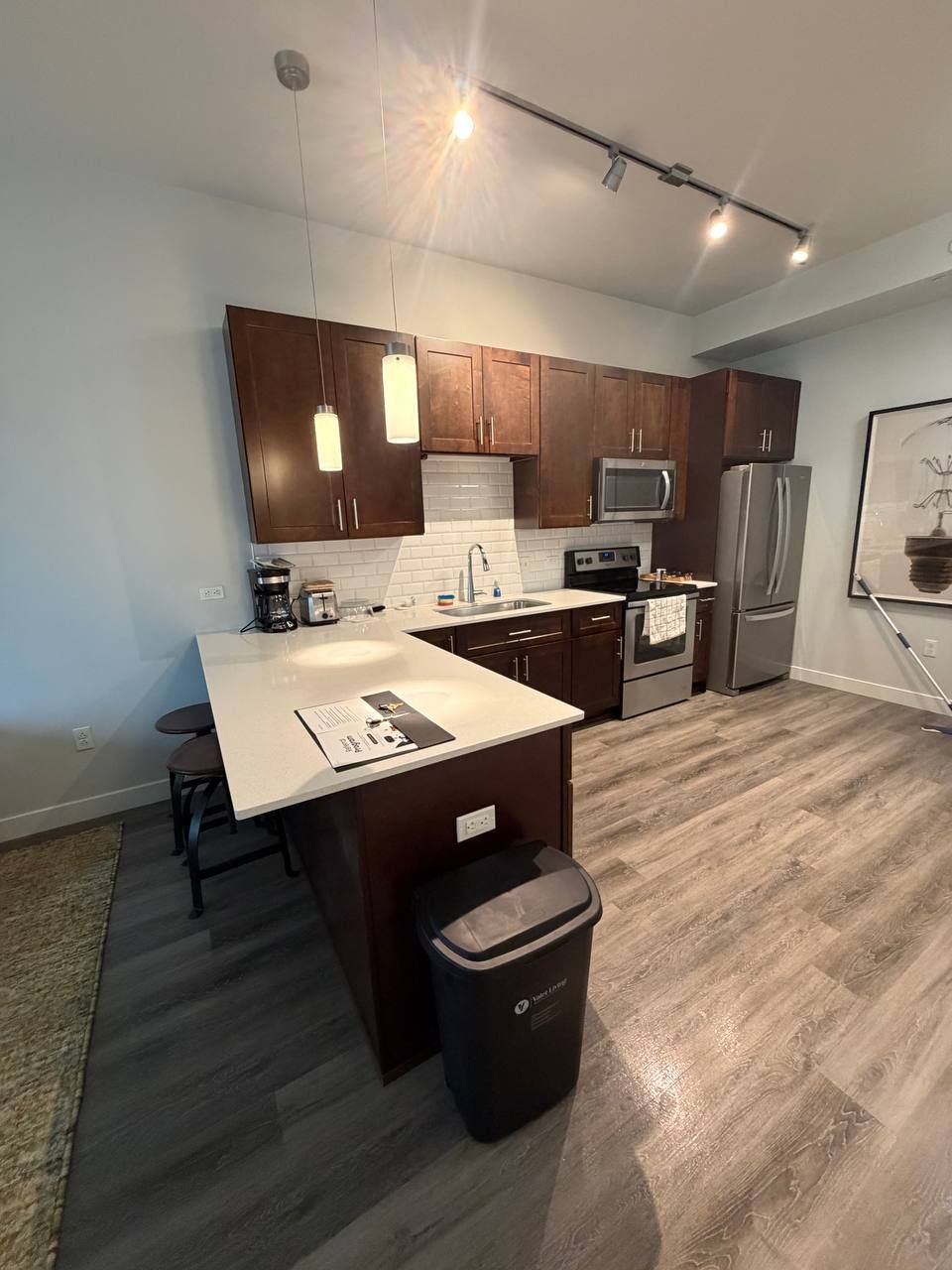

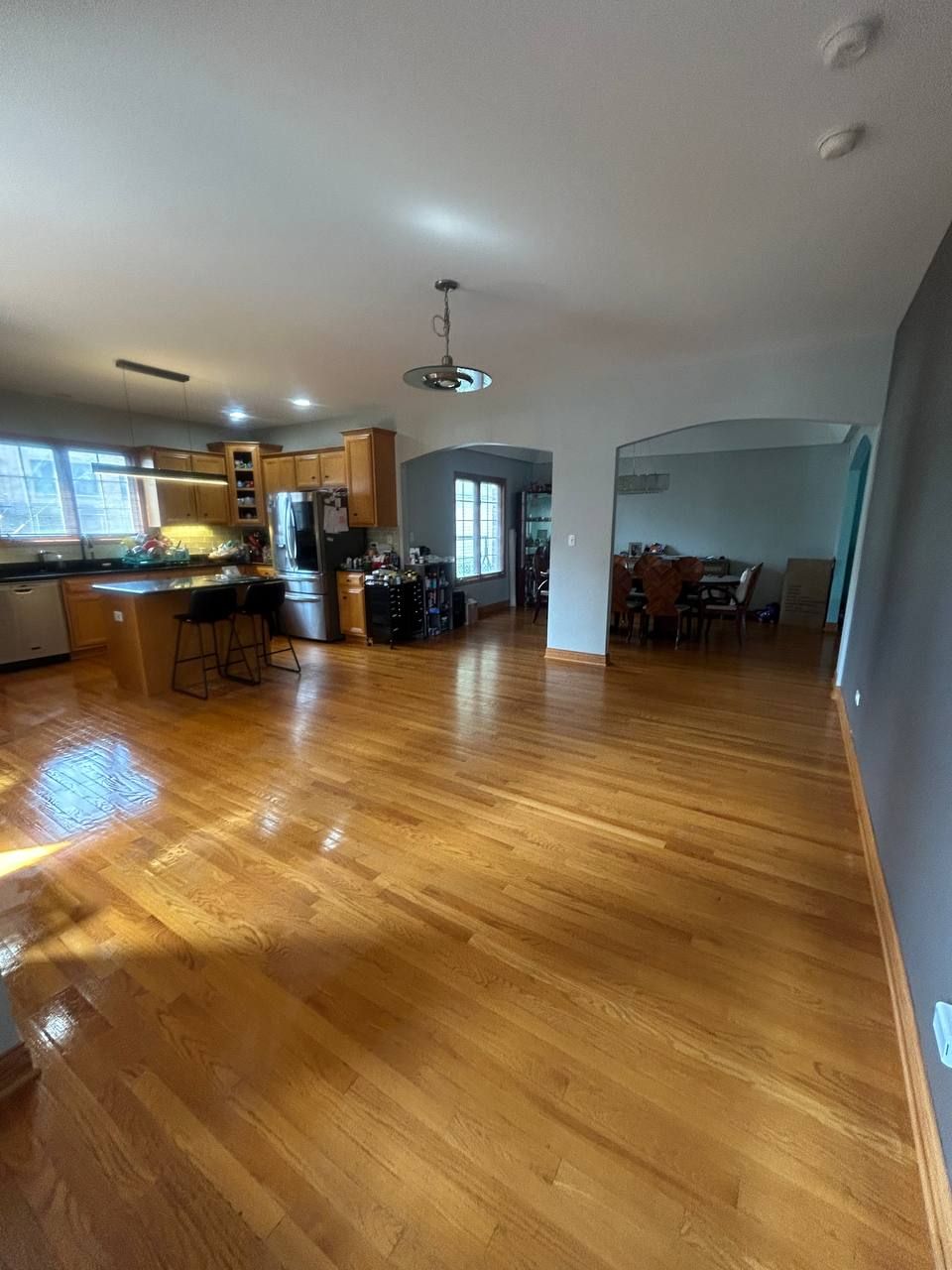
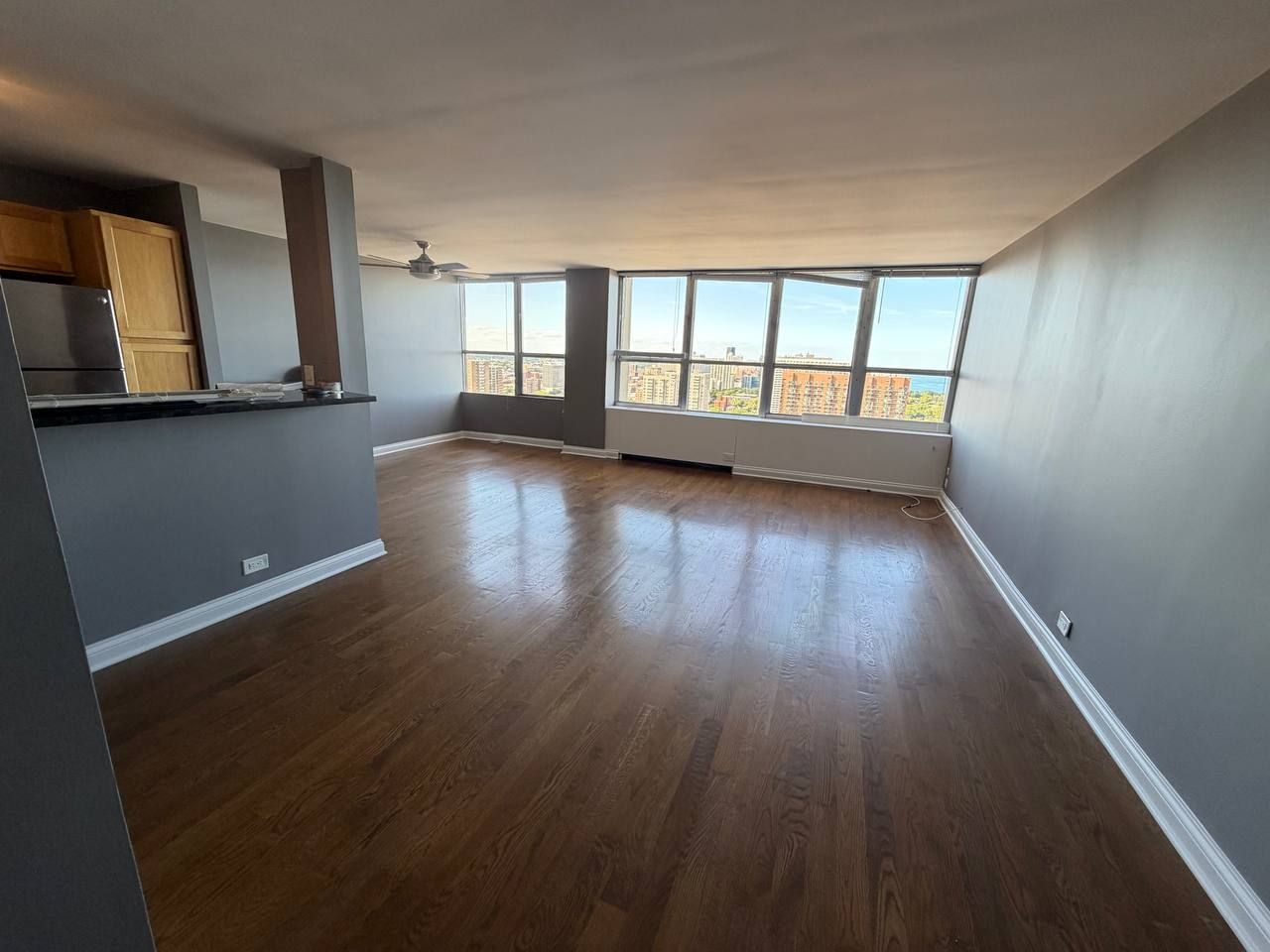
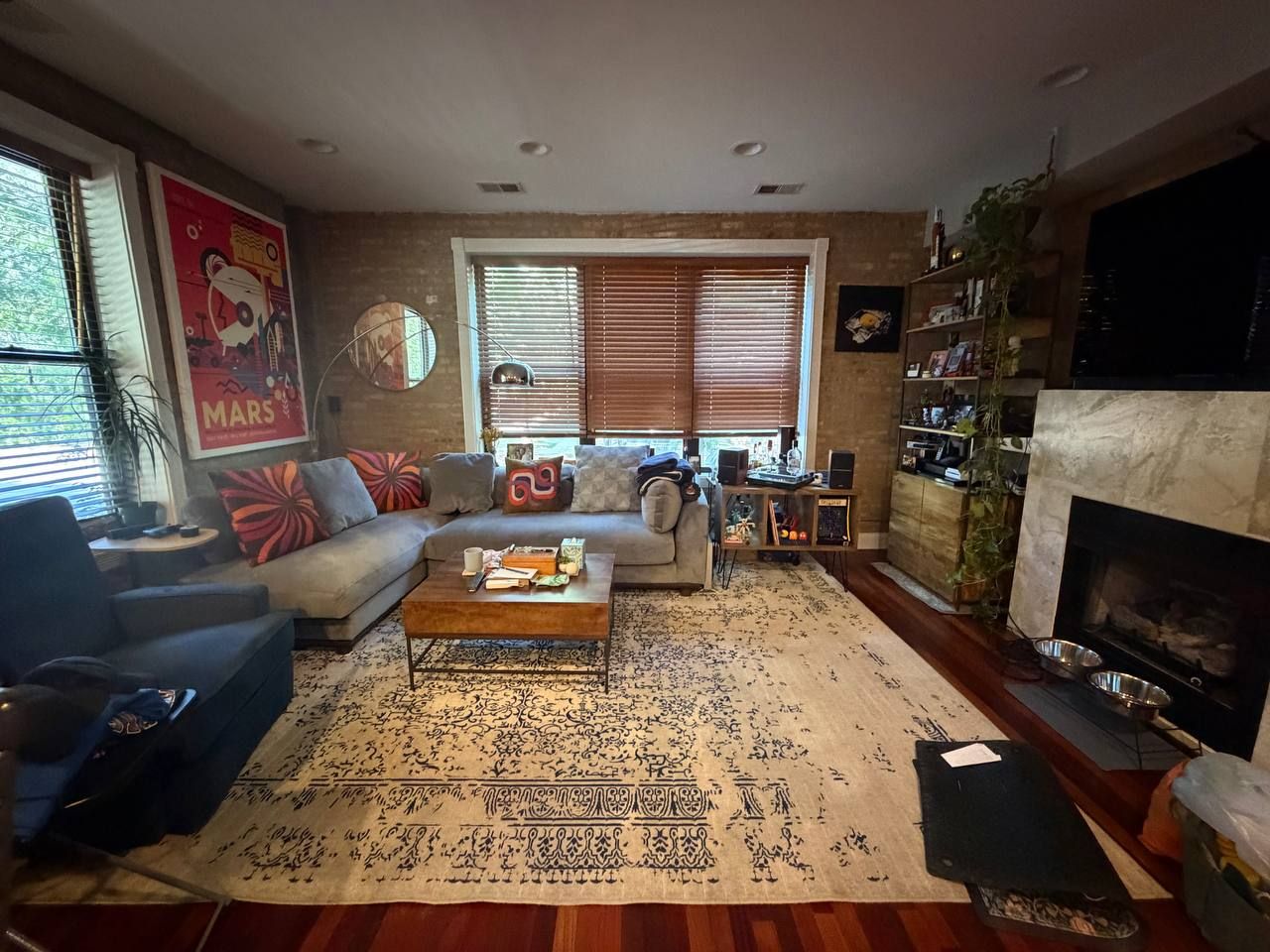

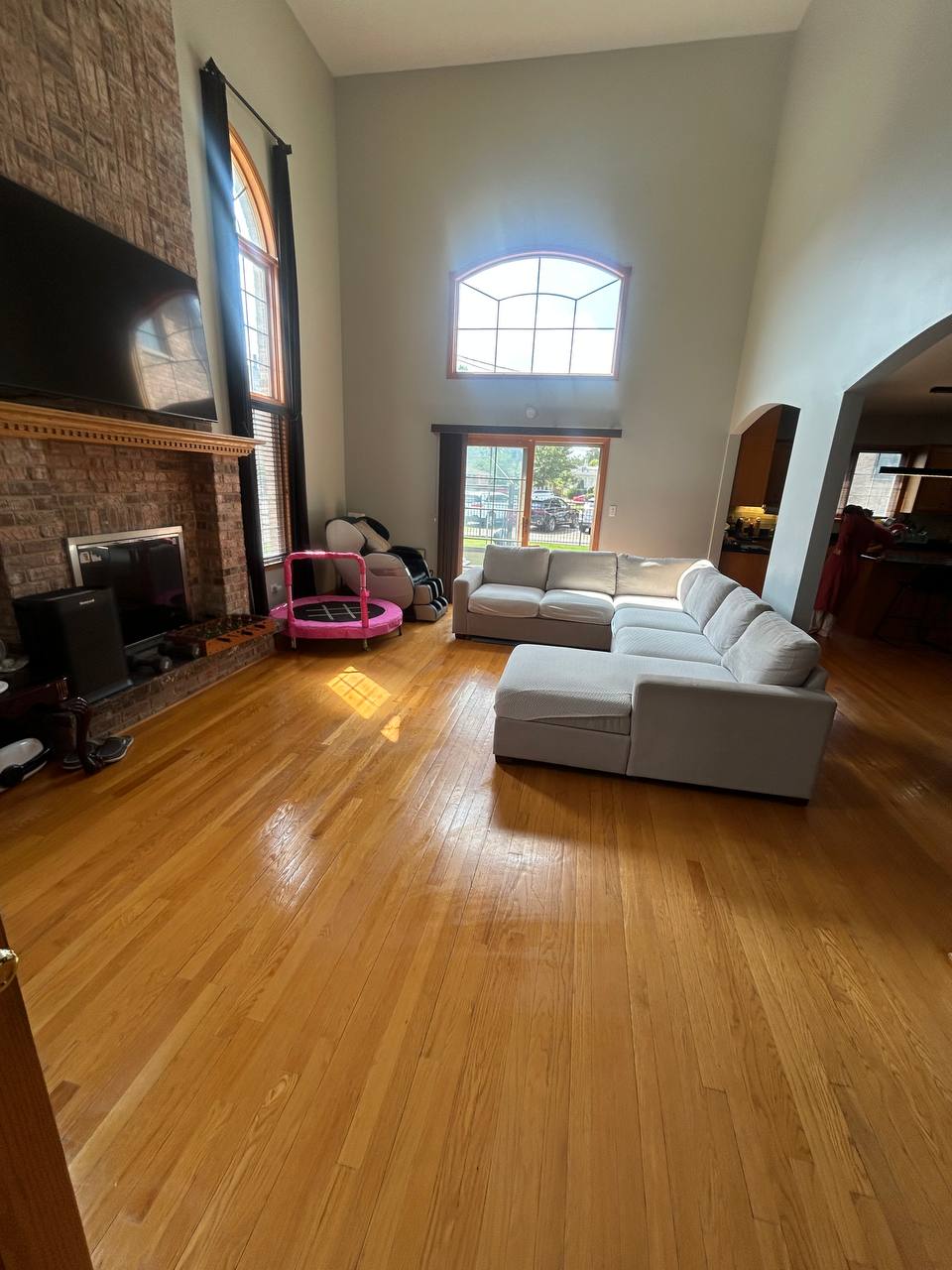

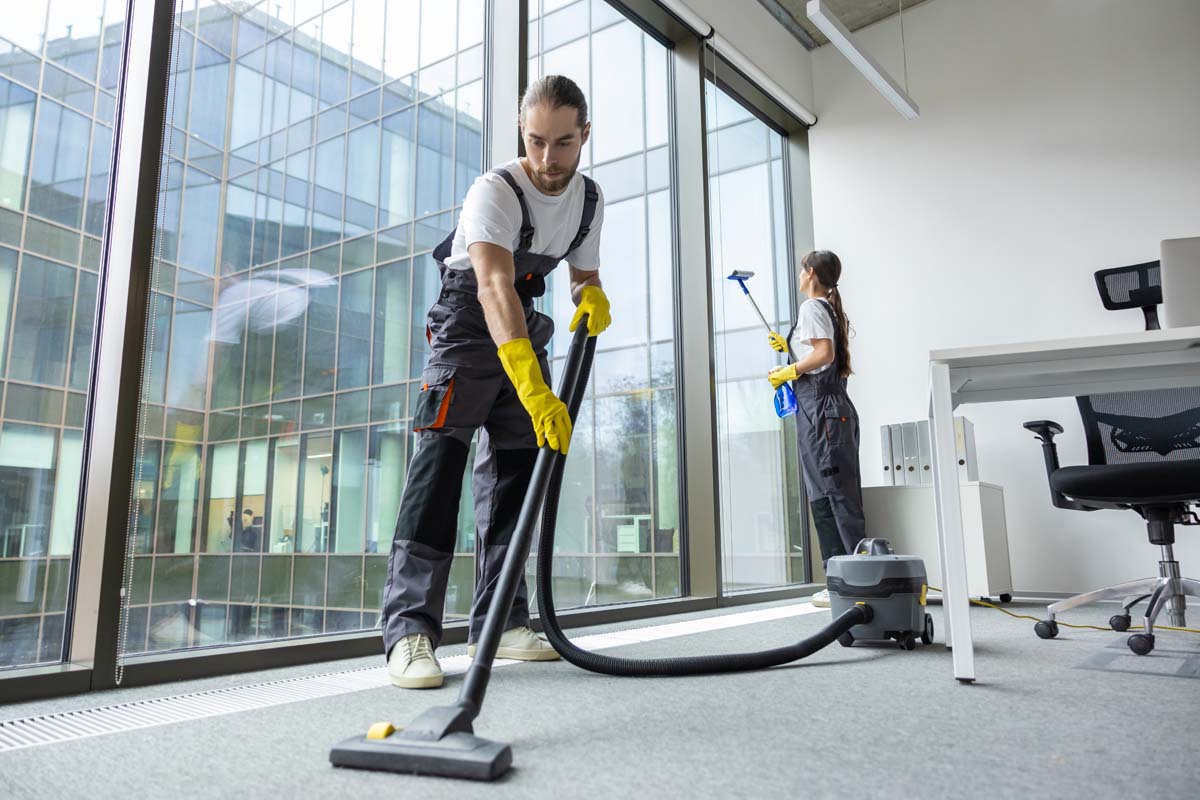
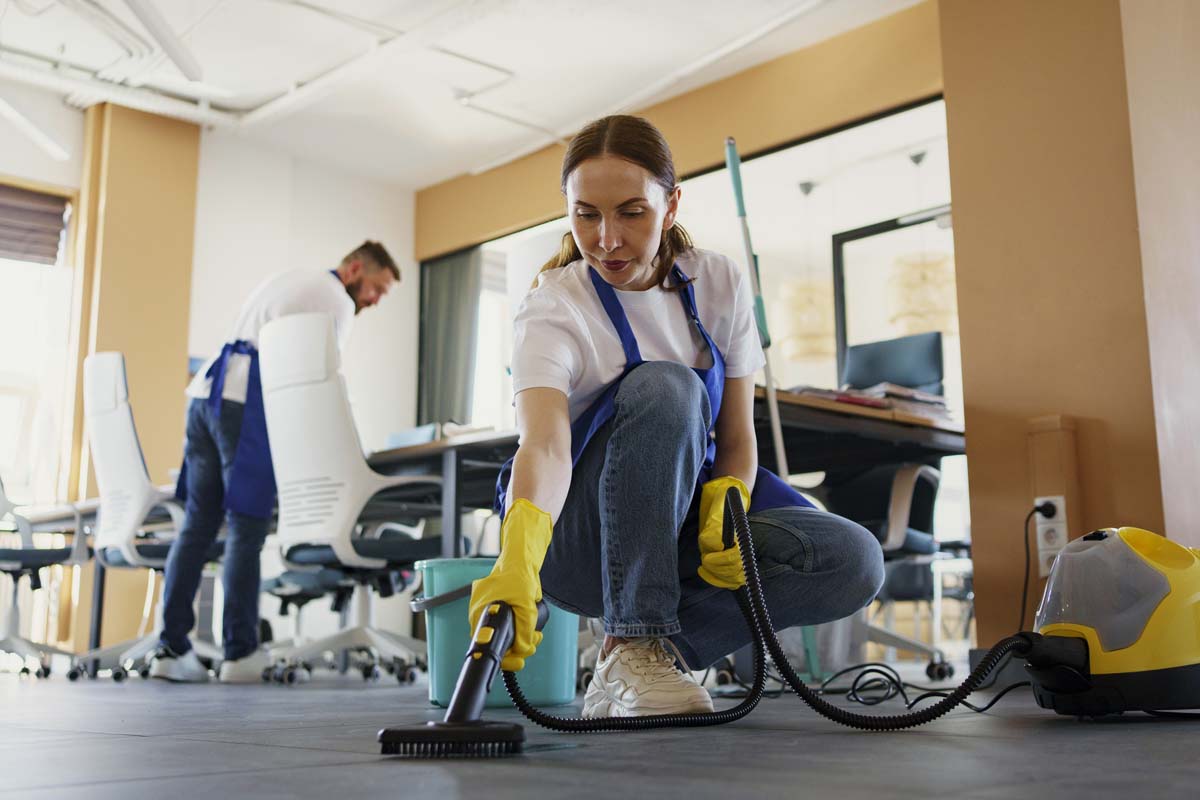
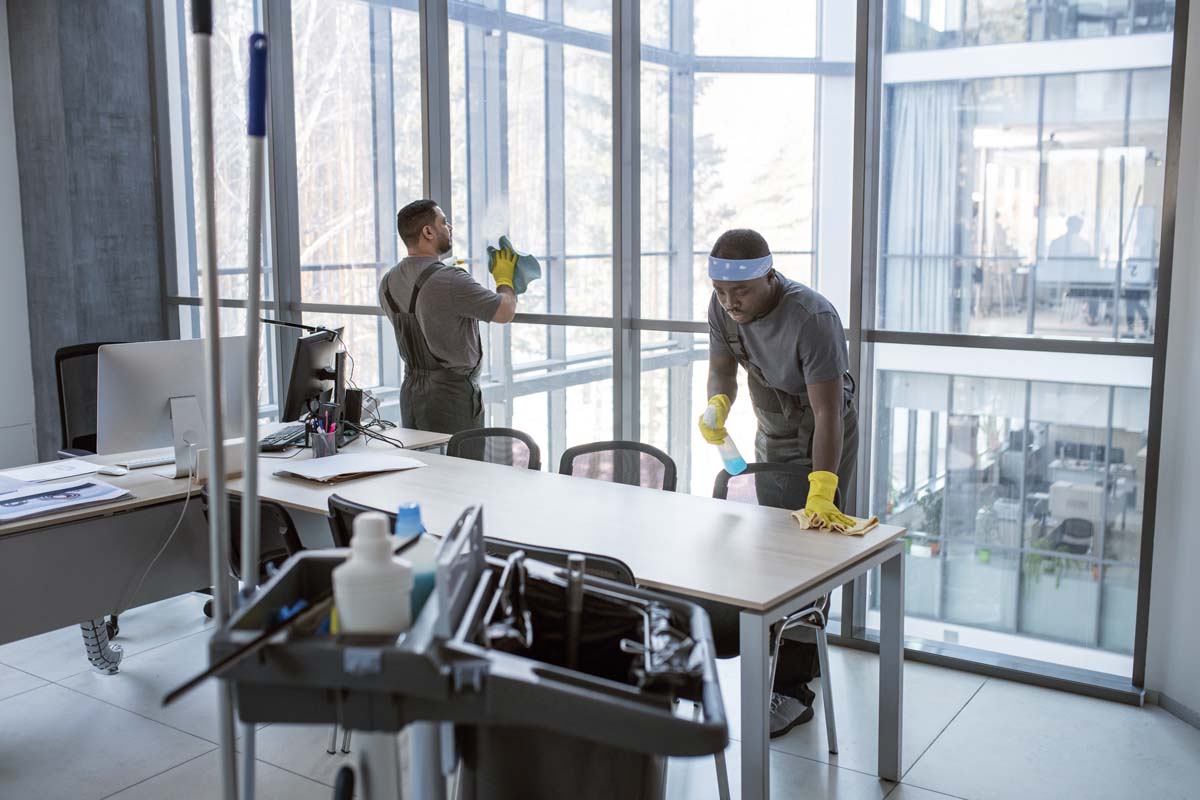

Keep your space fresh, clean, and stress-free with our full range of residential cleaning services in Chicago, IL. Whether you need routine maintenance, a deep clean, or move-in/move-out service, our expert team delivers spotless results every time.