
You spend roughly a third of your life on your mattress, yet it's one of the most overlooked things in the whole house when it comes to cleaning. In the thousands of Chicago homes we've worked in, I've lost count of how many people diligently wash their sheets every week but have never once cleaned the mattress underneath. And that mattress quietly collects sweat, body oils, dead skin, dust mites, and the occasional spill — year after year.
The good news is that learning how to clean a mattress is straightforward, and you almost certainly already own everything you need. Let me walk you through the full routine we use — a refresh-and-deodorize for general upkeep, plus targeted fixes for stains and odors — along with the safety flags that keep you from accidentally doing more harm than good.
Nothing exotic — you likely have all of it already:
Here's the principle behind everything below: never soak a mattress. A mattress is essentially a big sponge of foam and fabric that you cannot wring out or throw in the dryer. Excess moisture sinks deep into the foam, can't evaporate, and drives mold and mildew right into the core where you'll never get it out. So every technique here uses the least moisture possible — and every one ends with letting the mattress air-dry fully before you make the bed. Keep that in mind and you can't go wrong.
Pull off all the bedding and wash it while you work (more on that in a moment). Then take your vacuum's upholstery attachment and go over the entire mattress surface — top, sides, and especially the seams and tufted buttons where dust, skin flakes, and dust mites collect. Work slowly and overlap your passes. This single step removes the bulk of what makes a mattress dirty, and it's the foundation for everything that follows.
If anyone in your home deals with allergies or asthma, this vacuuming step is doing more than you think. Mattresses are a major reservoir for dust mites, and our guide on how to reduce dust mites and allergens explains why regular mattress care — paired with a good encasement — makes a real difference in indoor air quality.
This is the easiest, most satisfying step, and it works. Sprinkle a generous, even layer of baking soda across the entire top of the mattress. Baking soda is a natural odor absorber — it pulls moisture and smells out of the fabric rather than just covering them up.
Let it sit. Thirty minutes is the minimum, but the longer the better — a few hours is ideal, and if you can leave it while you're out for the day, even better. The extra time lets the baking soda draw moisture and odor up out of the fabric rather than just resting on the surface. For an extra-fresh finish, some people mix a few drops of essential oil into the baking soda before sprinkling. When time's up, vacuum all of the baking soda back up using the upholstery attachment again, going slowly so you pull it out of the seams and tufts too. Your mattress will already smell noticeably fresher — and if it's been years since the last cleaning, you may be surprised how much of a difference this one free step makes on its own.
Fresh accidents — a spilled drink, a pet or child's urine, sweat — need to be handled quickly, and the technique is what makes or breaks the result. The cardinal rule here: BLOT, don't rub. Rubbing pushes the liquid deeper into the foam and spreads the stain wider. Blotting lifts it out.
Enzyme cleaners are especially worth keeping on hand if you have pets or young kids, since they neutralize odor at the source instead of masking it.
For older, dried stains — sweat rings, old blood spots, set-in spills — you'll want a gentle homemade paste. Mix a small amount of hydrogen peroxide, a little dish soap, and baking soda into a spreadable paste. Apply a thin layer directly to the stain, let it sit until it dries (usually 20 minutes to an hour), then blot away the residue with a damp cloth and let the area air-dry.
Now the important safety flag: hydrogen peroxide is a mild bleaching agent, so test it on a hidden spot first — like a corner under where the fitted sheet tucks — because it can lighten fabric. And skip hydrogen peroxide entirely on colored or patterned mattress ticking, where any lightening will show. If your mattress has colored fabric, stick with the vinegar or enzyme approach from Step 3 instead.
This is the step people rush, and rushing it is how mold gets started. After any wet treatment, let the mattress air-dry fully before making the bed. Point a fan at it, open a window, or crack the bedroom door to get air moving. Depending on how damp the spot got, this can take several hours — don't put sheets back on until the fabric feels completely dry to the touch. If you flipped or rotated the mattress, let both sides breathe.
A freshly cleaned mattress deserves clean, well-maintained bedding on top of it. Washing your sheets regularly — and on a hot cycle when the fabric allows — kills dust mites and keeps sweat and oils from migrating back into the mattress. Our guide on how often you should wash your sheets lays out a simple schedule, and if you've never given your pillows the same attention, our step-by-step guide to washing pillows the right way is the perfect companion.
The single best long-term move, though, is a zippered mattress encasement. It seals the whole mattress against spills, sweat, and dust mites, so cleaning becomes as easy as unzipping and washing the cover. For allergy sufferers especially, an encasement plus hot-washed bedding is one of the most effective one-two punches there is — again, more on that in our dust mite and allergen guide.
For most people, a full vacuum-and-deodorize every three to six months keeps a mattress fresh, with spot-treatment as spills happen. Rotate the mattress head-to-foot a couple of times a year to even out wear (only flip it if it's a double-sided model). If you have pets that sleep on the bed, allergies, or night sweats, lean toward the more frequent end.
Beyond soaking, there are a handful of missteps I see regularly that either don't work or actively cause harm. Steering clear of them is half the battl
It's easy to shrug off mattress cleaning as optional, but consider what accumulates in there. Every night your body sheds skin cells and sweat, both of which feed dust mites — microscopic creatures whose waste is a leading indoor allergy trigger. Add pet dander, the occasional spill, and years of use, and an unmaintained mattress becomes a genuine source of the sniffles, congestion, and poor sleep that so many people just live with. A few simple cleanings a year meaningfully cut down that load. For anyone in the home who wakes up stuffy or itchy, it's one of the highest-return cleaning tasks there is — and it costs almost nothing.
A clean mattress is a great start, but a truly fresh bedroom means dusting, allergen control, floors, and all the surfaces you don't think about. That's where we come in. Spotless Home Cleaners has spent 11 years cleaning Chicago and 70+ surrounding suburbs with a background-checked, professionally trained crew and eco-friendly products, all backed by our 100% satisfaction guarantee. Book a standard cleaning and reclaim your time — and your sleep. Call us now and schedule your cleaning today.








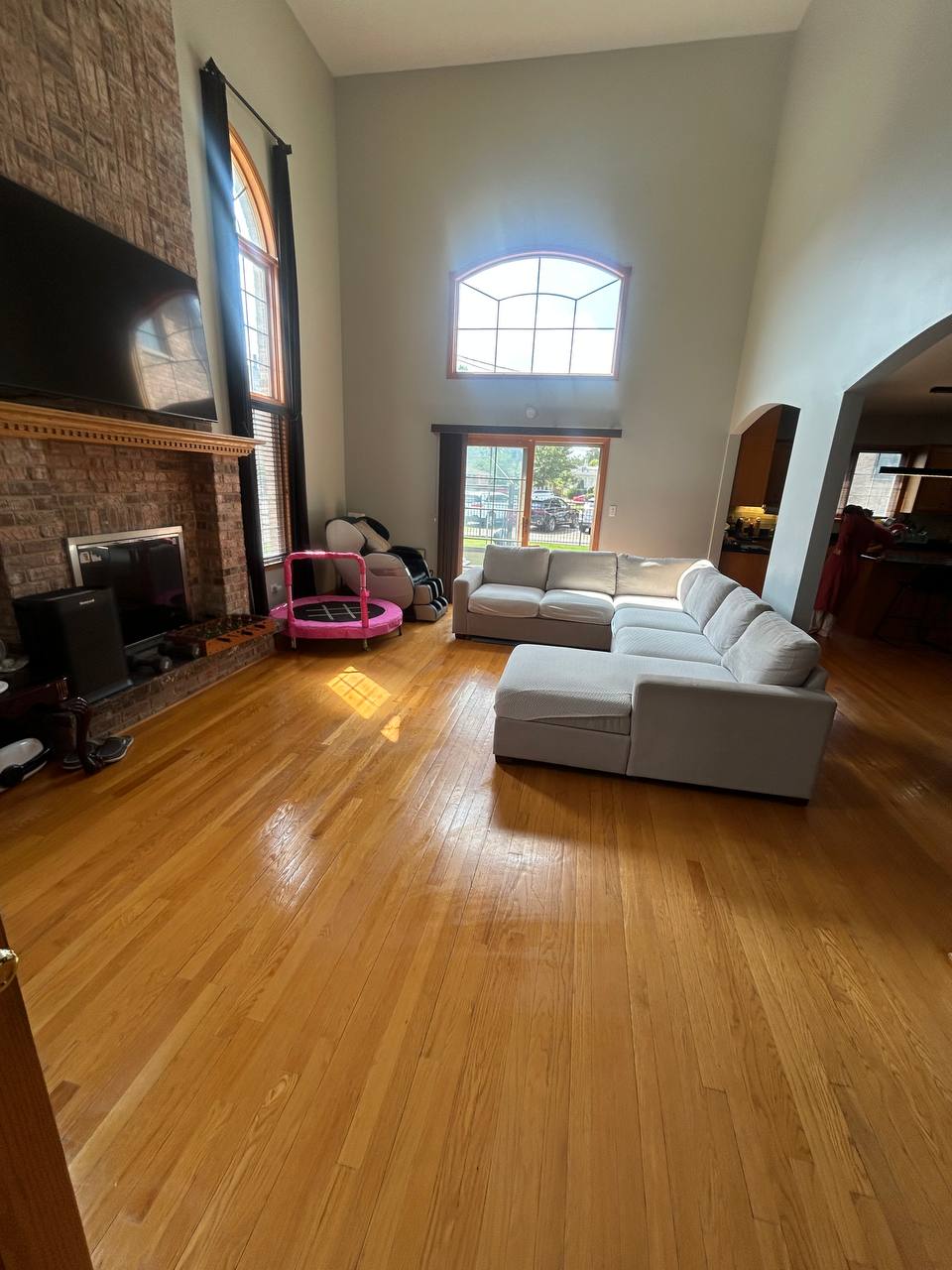

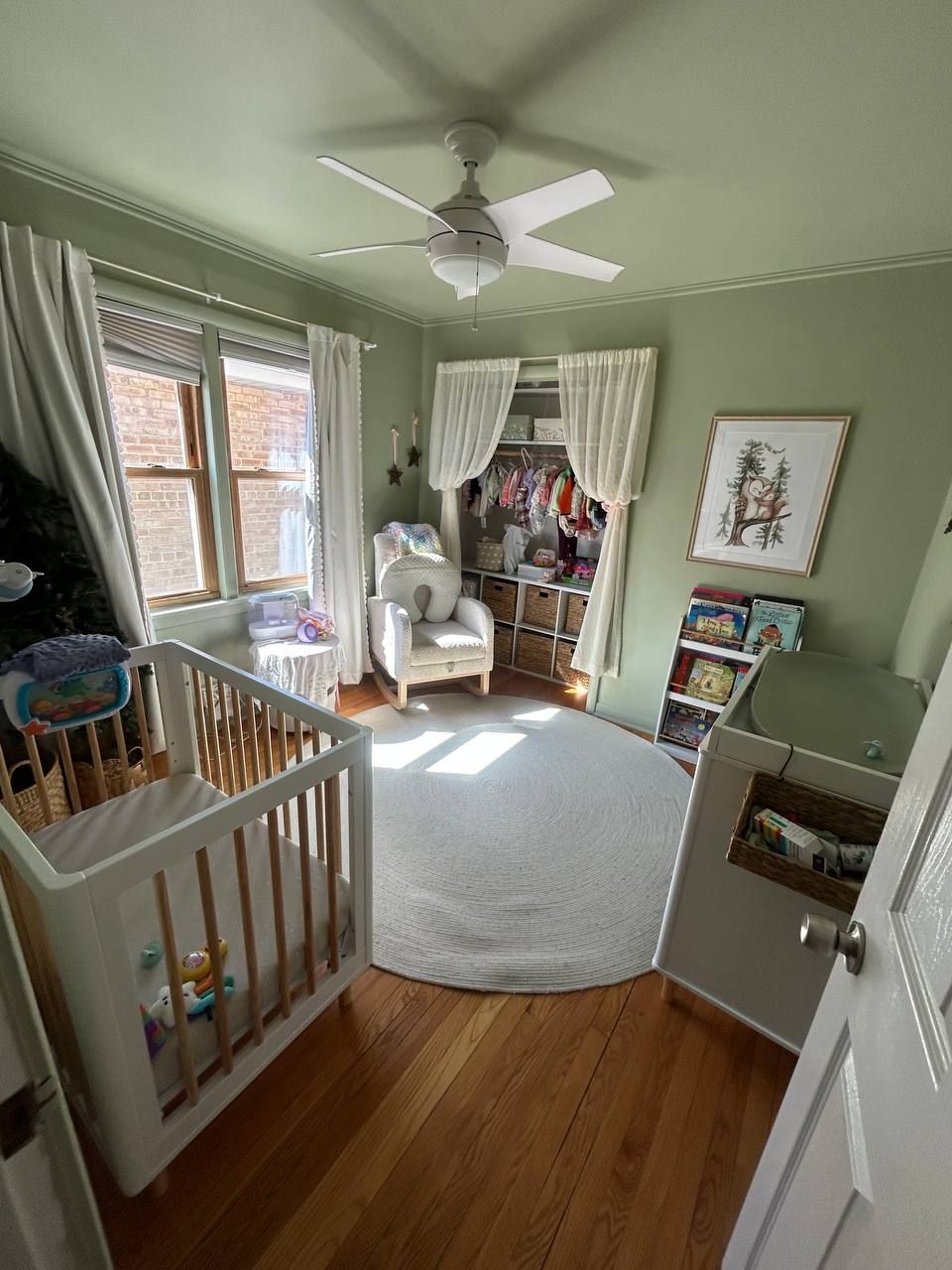






















Keep your space fresh, clean, and stress-free with our full range of residential cleaning services in Chicago, IL. Whether you need routine maintenance, a deep clean, or move-in/move-out service, our expert team delivers spotless results every time.