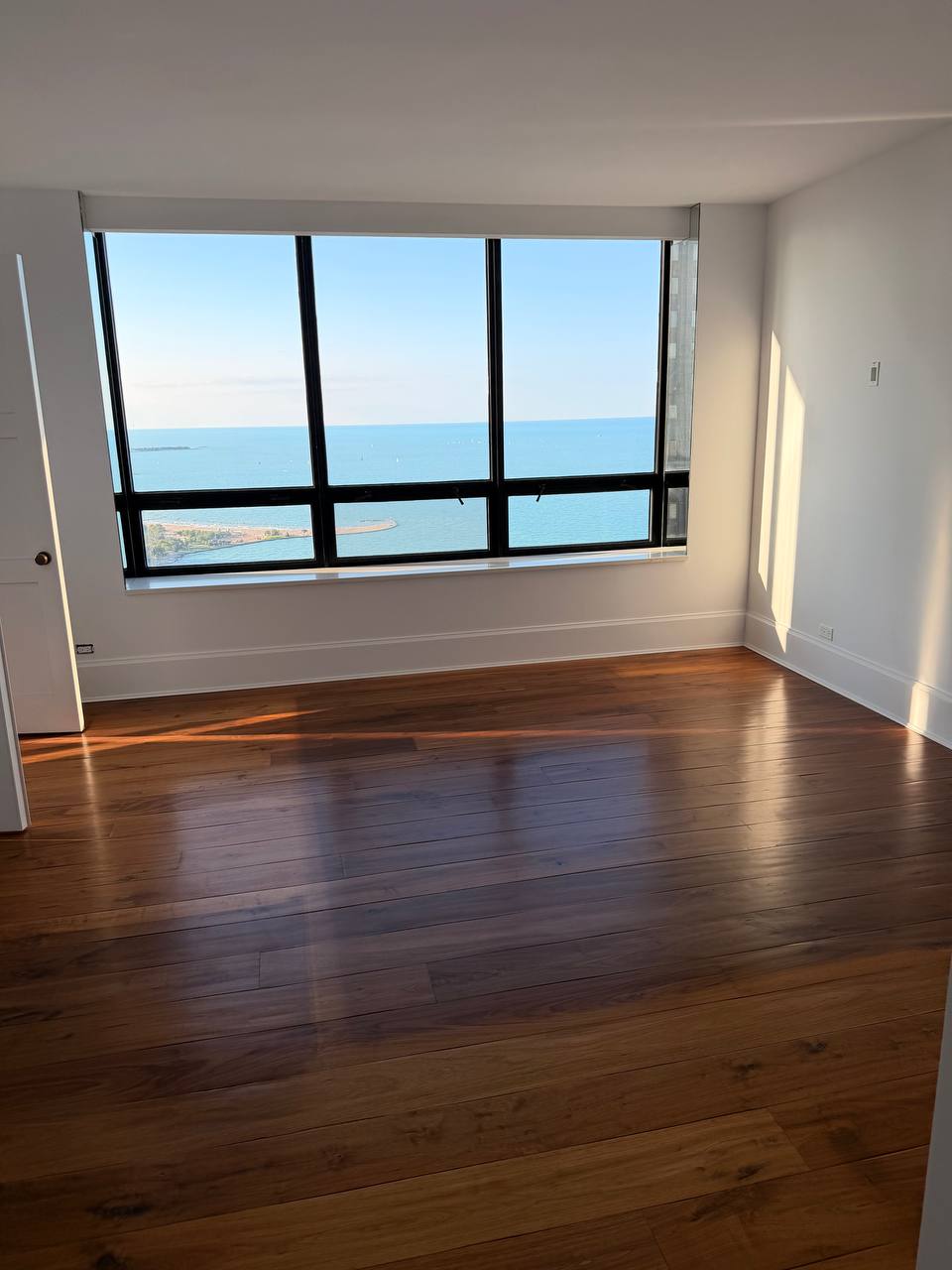
High rise condo cleaning in Chicago is not the same job as cleaning a house in the suburbs, and anyone who tells you otherwise has never waited forty minutes for a freight elevator. Last month we cleaned a vacant unit in Streeterville, high floor, windows facing Lake Michigan on one side and the X braced side of the John Hancock Center on the other. Walnut floors. Stone bathrooms. Not one piece of furniture to hide behind.
This post walks through what that job actually involved, room by room. If you own or manage a condo downtown, you will recognize most of it.
A downtown high rise condo needs three things a suburban house does not. It needs building clearance before anyone shows up. It needs a different chemical kit, because the bathrooms are usually natural stone and most of what people keep under the sink will etch it. And it needs a light discipline, because floor to ceiling glass on a high floor means direct sun crosses the floor every single day and shows every streak you left behind.
Everything else below is detail on those three.
Nobody warns first time condo owners about this part. In a house, the cleaner pulls into the driveway. In a Chicago high rise, there is a process.
Most downtown buildings want a cleaning company on file with management before a crew rides up. That usually means a certificate of insurance naming the association, a company on the approved vendor list, and a name at the desk. Some buildings also require the freight elevator to be reserved in a window, often a weekday block, and they do not always have one free on a Saturday.
Two more things that cost time and nobody plans for:
If you are booking move out cleaning in a downtown building, ask your property manager what the vendor rules are before you pick a date. It saves a rescheduled visit.
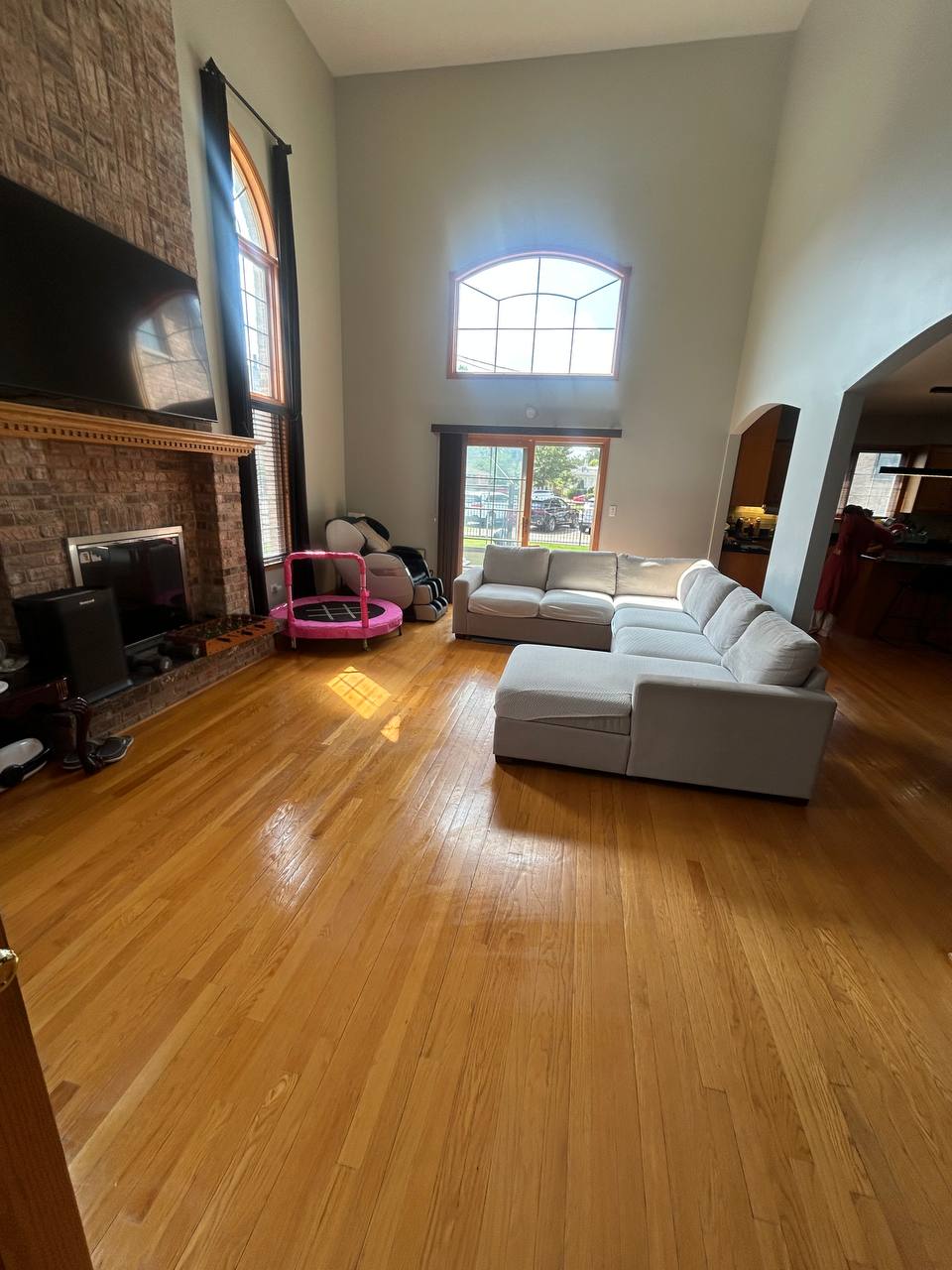
The unit had wide plank walnut through the living room and both bedrooms. Beautiful floor. Also the hardest surface in the place to leave clean, because of the windows.
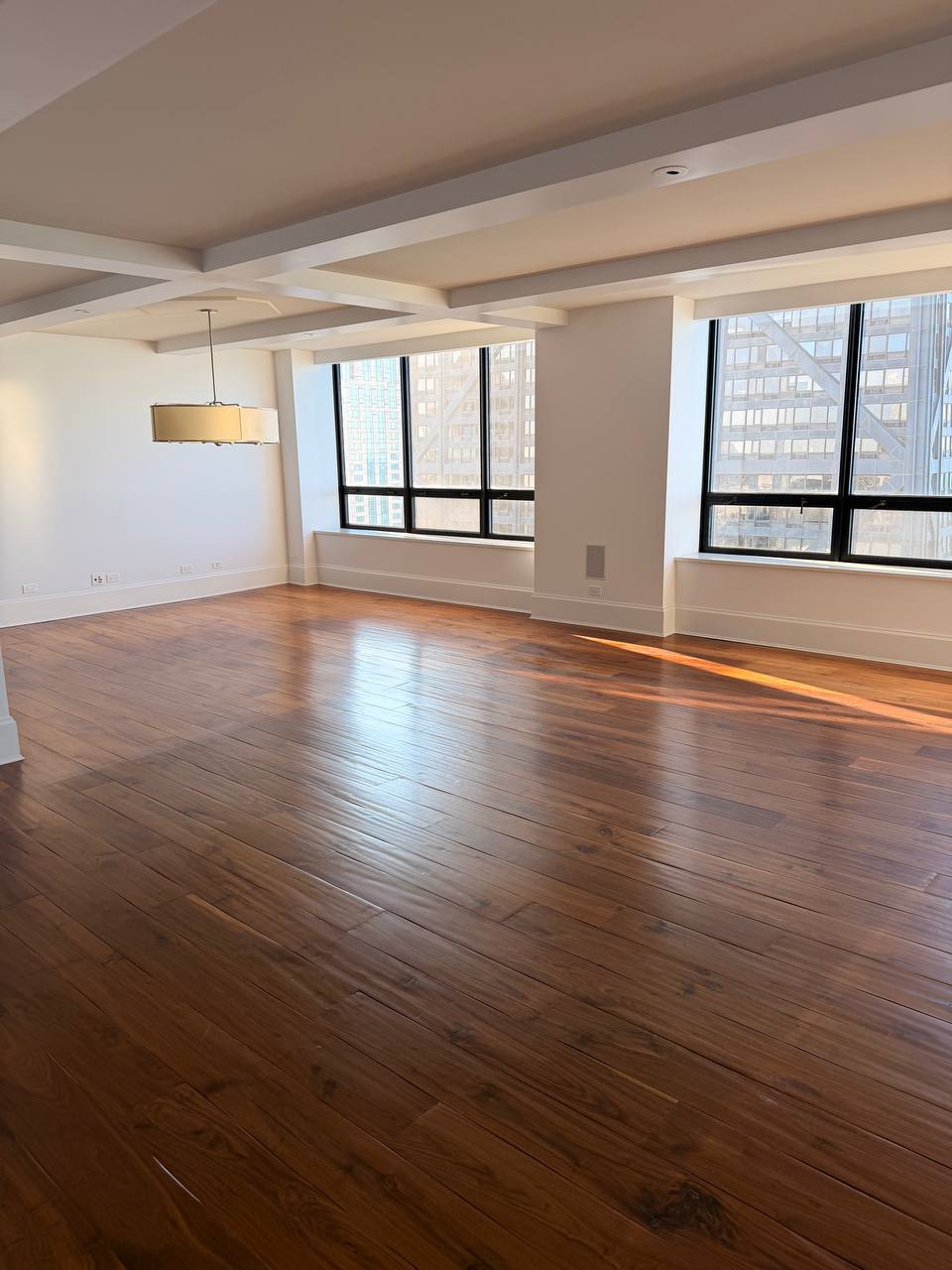
Those bright bands across the floor are direct sun coming through east facing glass. Any haze, any streak, any spot of dried cleaner sits right in that band and glows. A floor that looks perfect at nine in the morning looks filthy at four in the afternoon, in the same room, with nothing having changed.
What actually works on a finished wood floor in a high rise:
We wrote a longer piece on this: how to clean hardwood floors without damaging them. The short version is that most floor damage in condos comes from too much water, not too little effort.
One bedroom in this unit had a low pile loop carpet instead of wood. Different job, same principle. Vacuum slowly in two directions, then check it from the window side to see if the pile lays even.
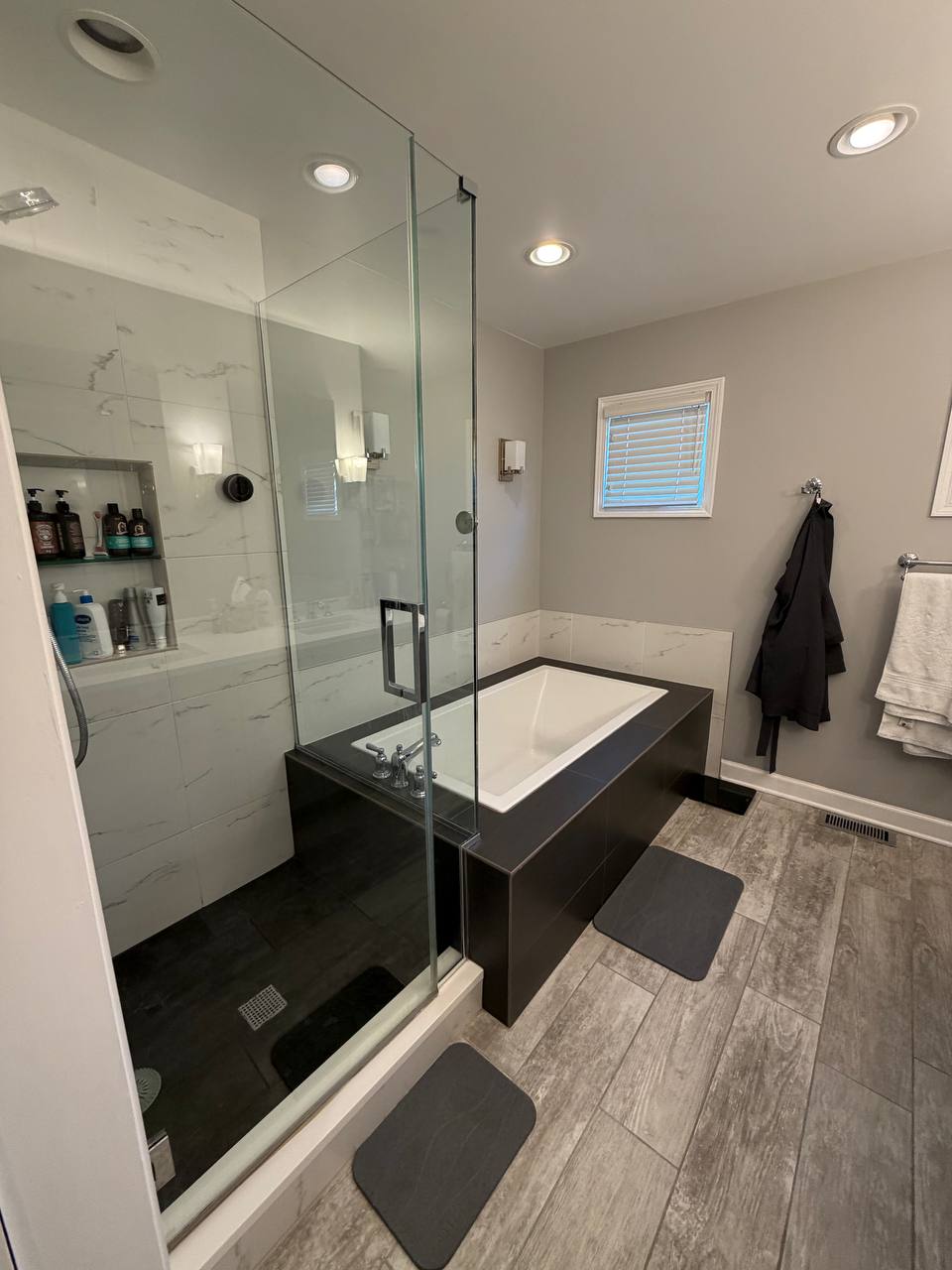
Both bathrooms were natural stone. Stone tile on the shower walls, stone on the floor, stone counter on the vanity. This is where high rise condos differ most from the average house, and it is where the most expensive mistakes happen.
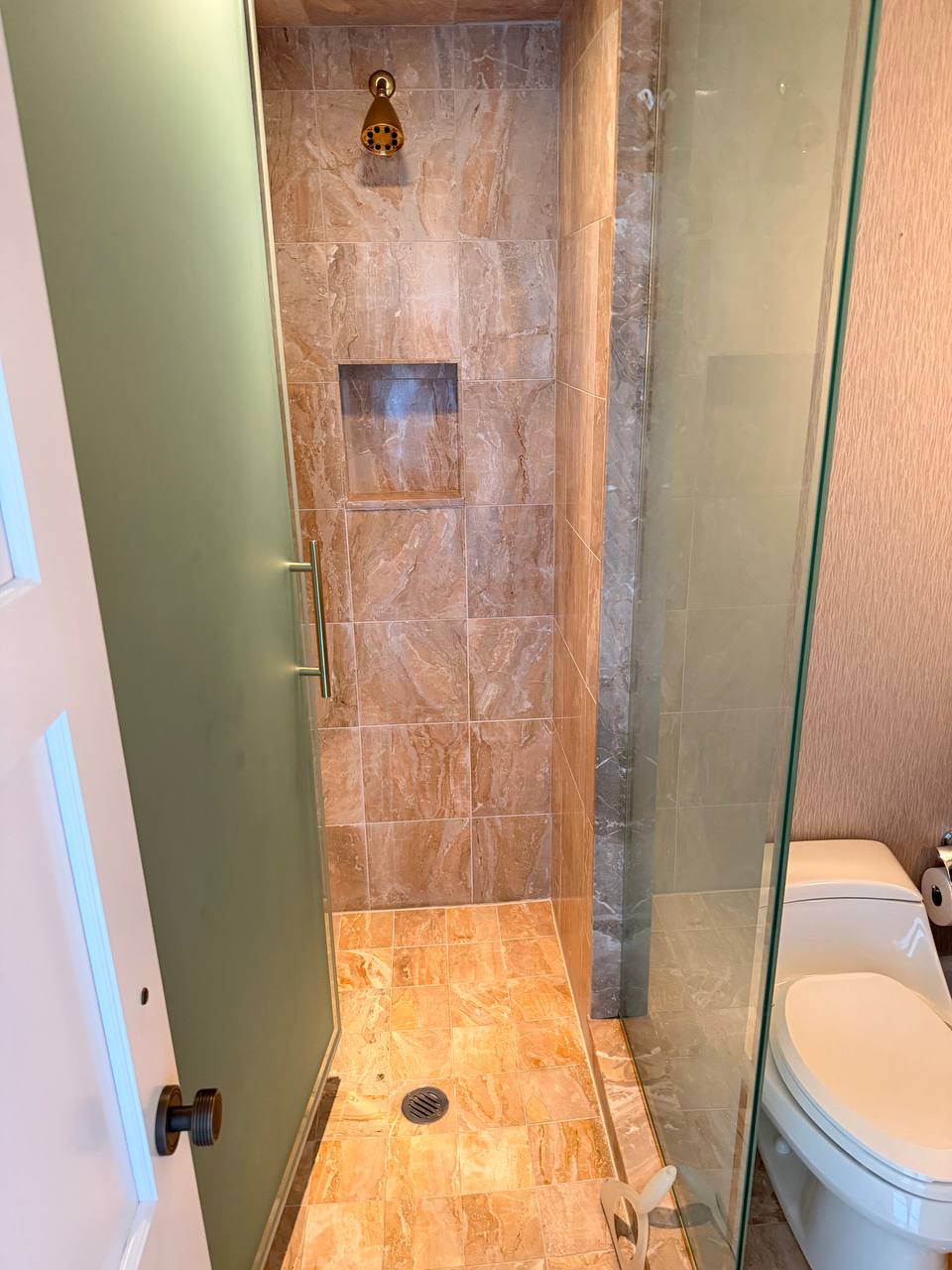
Acid etches stone. Vinegar, lemon, bathroom descalers, most hard water and soap scum sprays, and a lot of all purpose cleaners are acidic. On marble, travertine, and limestone, acid does not just clean poorly, it eats a dull spot into the polish that will not wipe off. Fixing it means a stone restoration company, not a second pass with a cloth.
What we use on stone instead:
A safety line worth repeating. Never mix bleach with vinegar, ammonia, or any acidic cleaner. The combination releases a toxic gas. In a condo bathroom with no operable window and a single small exhaust fan, that is a genuinely dangerous room to make that mistake in. If you use any bleach product, run the fan, keep the door open, and use it alone.
The other stone problem is the shower niche and the floor grout. Water sits in a niche because it has nowhere to drain. Grout lines on a shower floor collect body oil and product residue and go grey from the edges inward. That comes out with a stone safe cleaner, a grout brush, and dwell time. Dwell time is the part people skip. Spray, wait, then scrub, and the scrubbing takes a third as long.
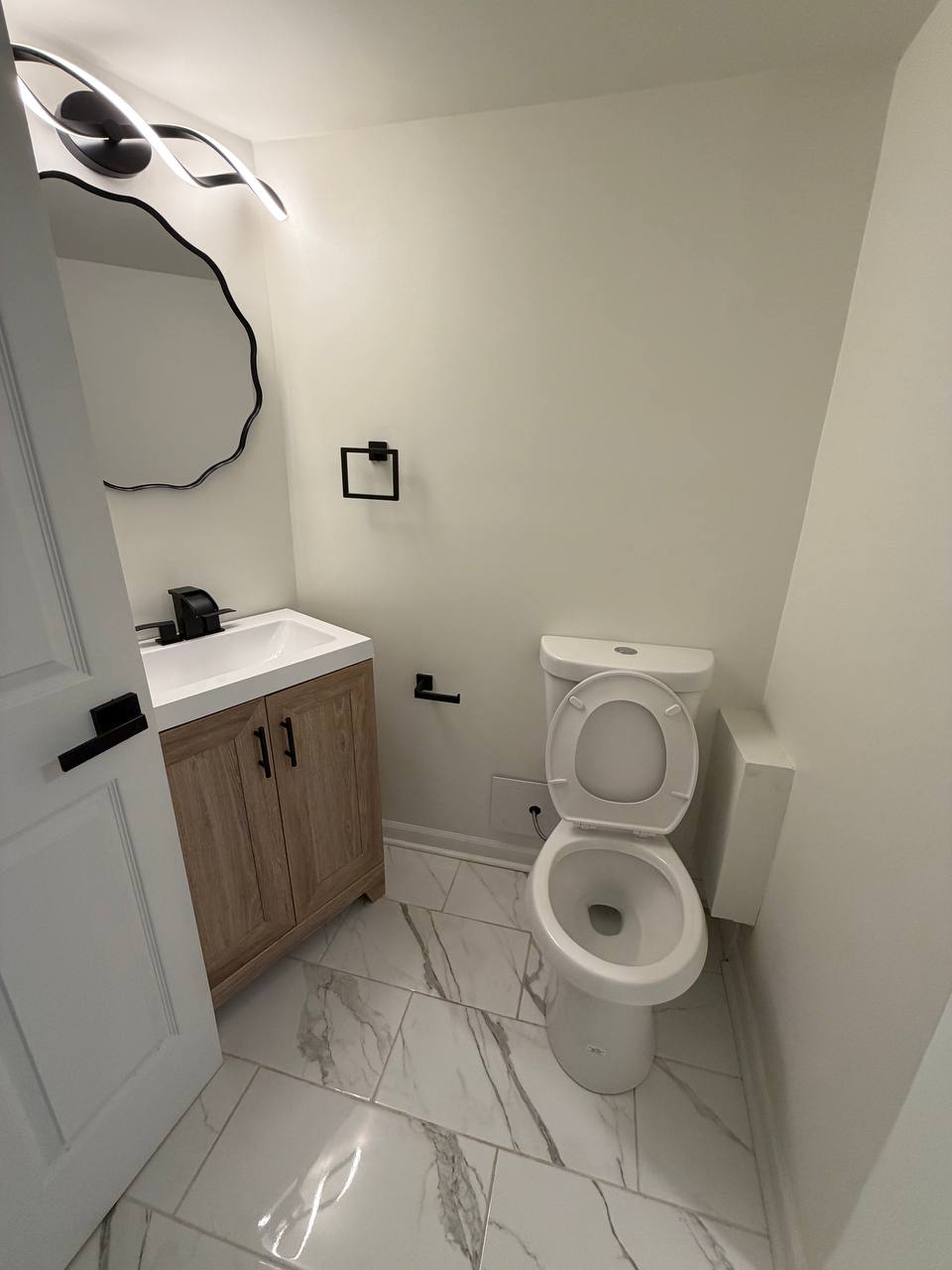
The vanity in this unit was stained wood with a stone top and a full height mirror behind it. Three surfaces, three approaches. Wood gets a barely damp cloth and an immediate dry. Stone gets the neutral cleaner. The mirror gets glass cleaner sprayed onto the cloth, not onto the glass, so nothing runs down behind the counter backsplash and dries there in a streak.
Here is something that surprises people. A high rise condo is not dustier than a house, but the dust settles differently, and it lands in places a house does not have.
The windows do not open, or they open two inches on a restrictor. Air comes through the building system, so it arrives at the vents and spreads out evenly instead of blowing in from a door. That produces a fine, even film on flat surfaces rather than obvious drifts in corners. It looks like nothing until sunlight crosses it.
The spots that hold it in a unit like this one:
If a neighboring unit has been under renovation, add construction dust to all of the above. It is finer, it is everywhere, and it takes two passes. Ask the desk whether anything on your floor has been gutted in the last six months.
Clients assume a vacant unit is a quick job. It is the opposite. Furniture hides things. An empty room hides nothing.
In a vacant unit every scuff on a baseboard, every nail hole, every ring left by a plant pot, and every dull spot on the floor is visible from the doorway. On top of that, an empty condo is usually empty for a reason. It is about to be listed, shown, photographed, or handed to a buyer or a new tenant, and someone is going to walk it with a checklist.
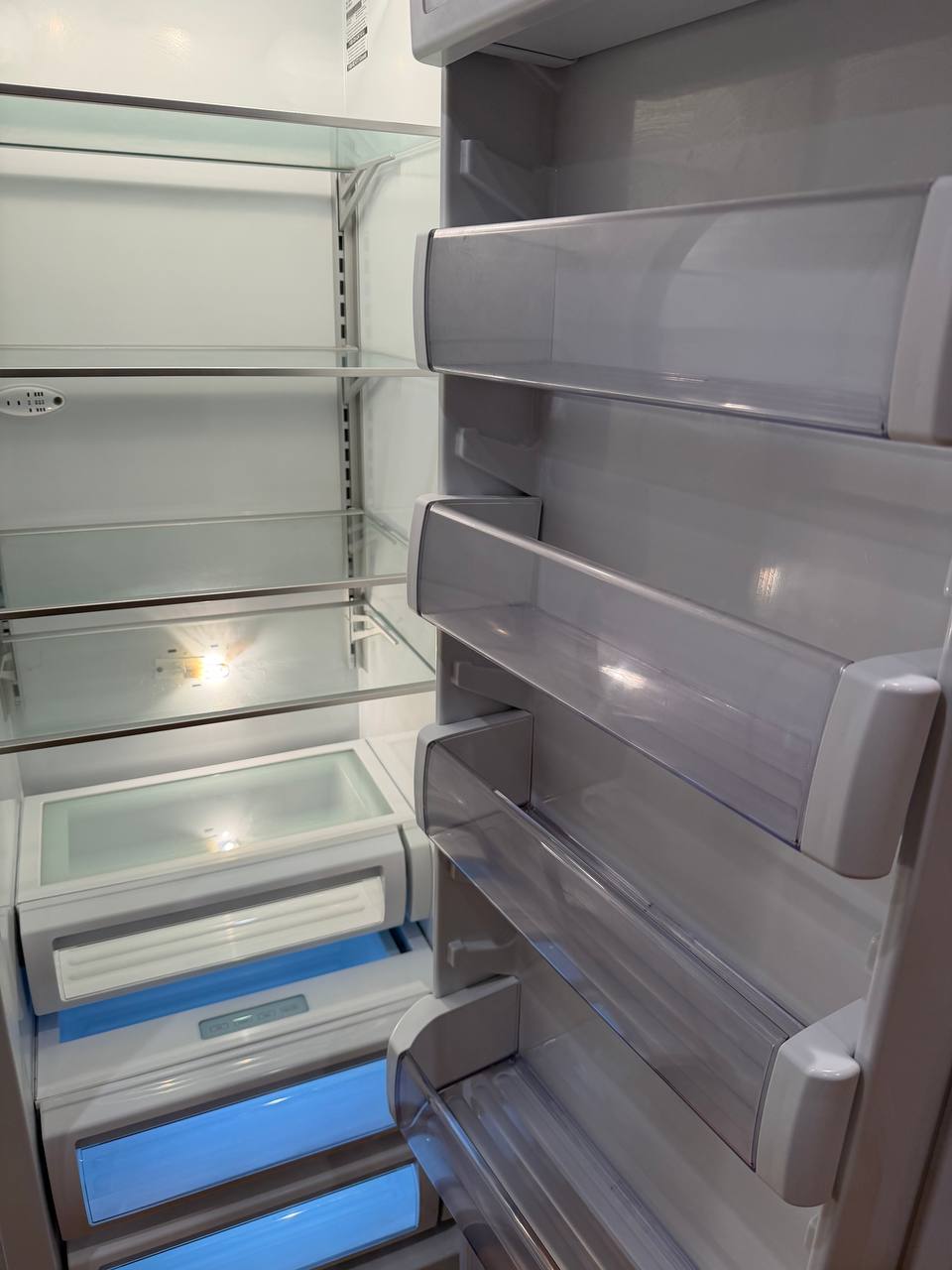
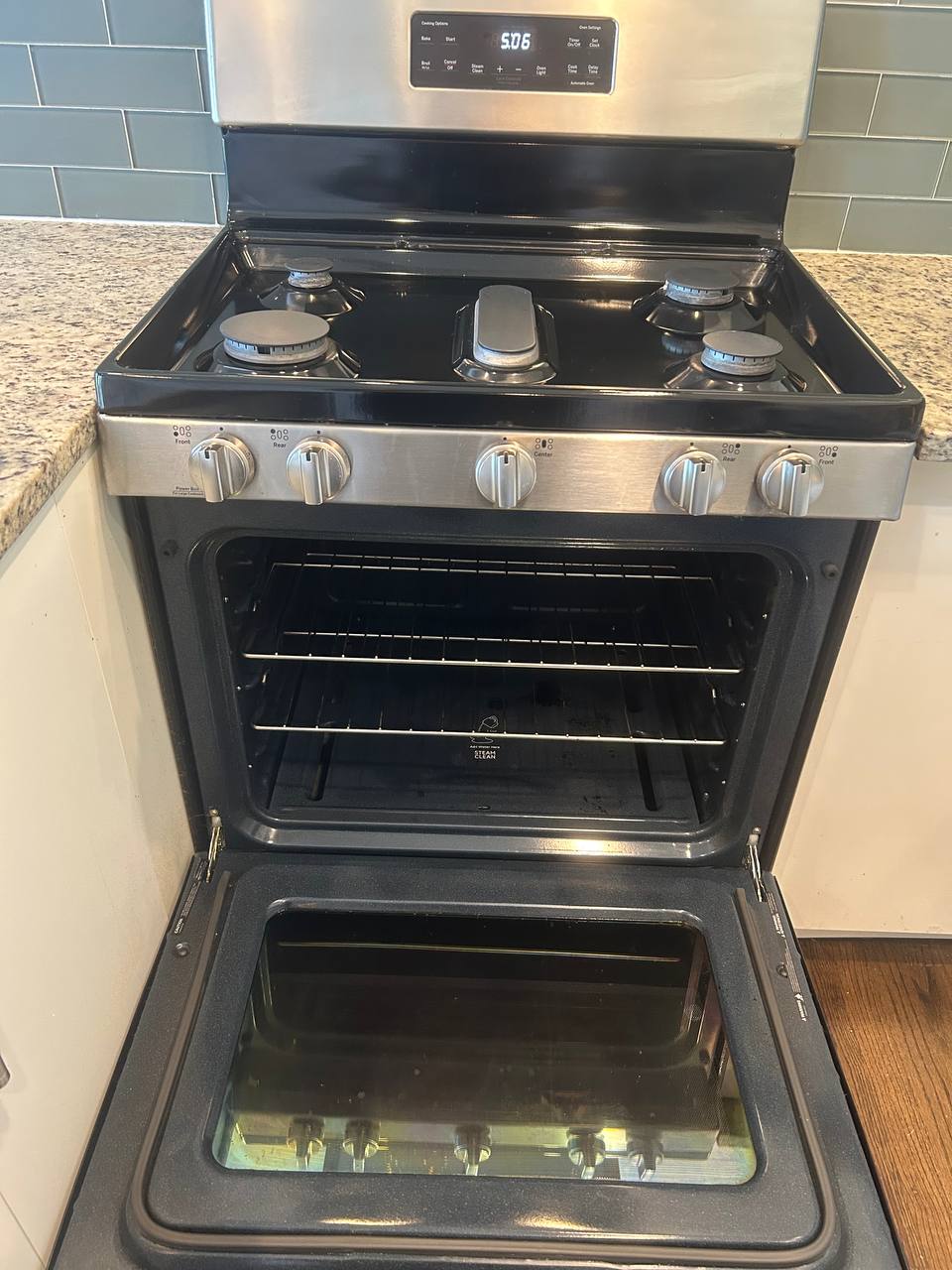
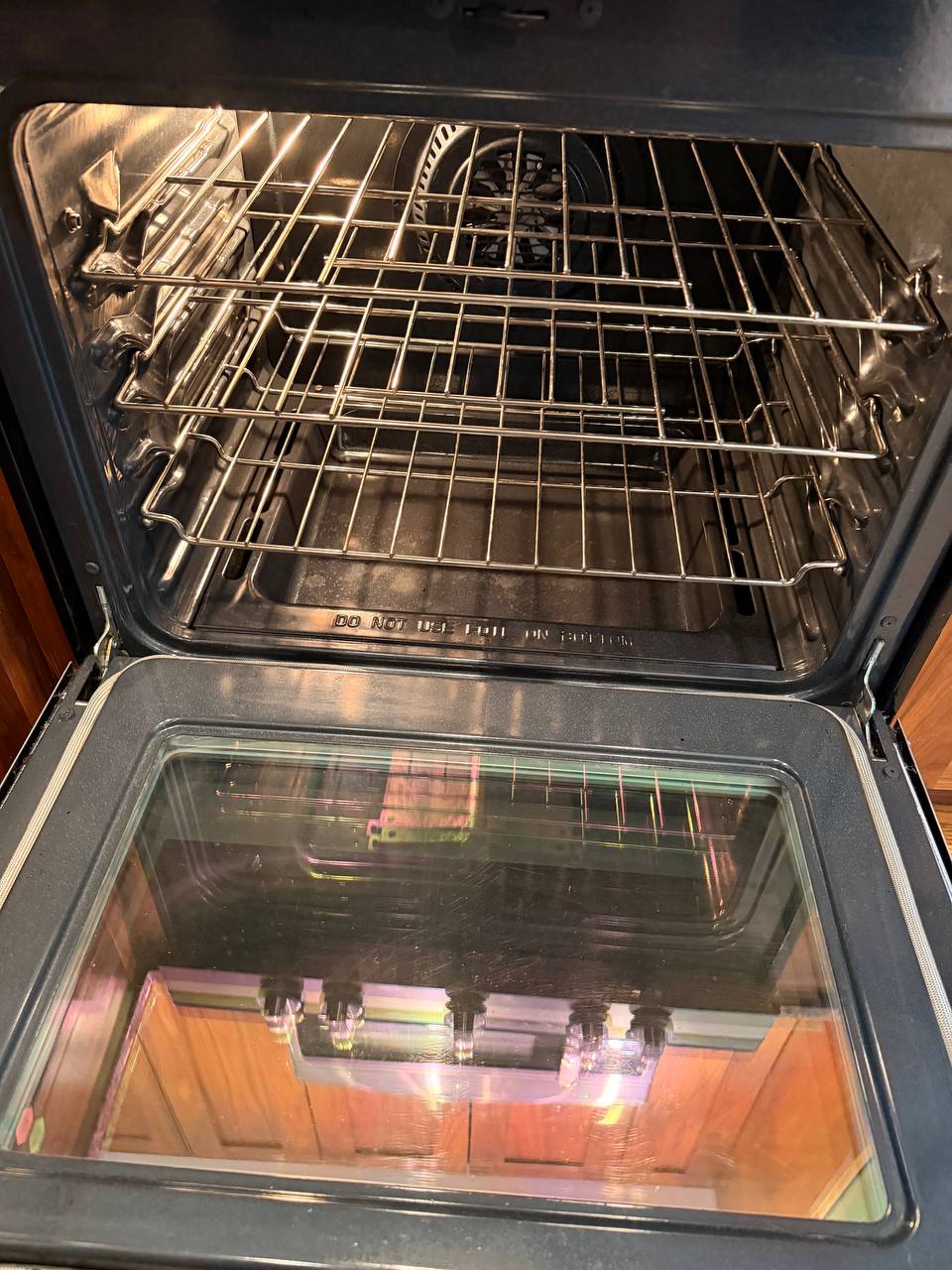
That is why a vacant unit gets the deep cleaning treatment rather than a standard visit. Inside every cabinet and drawer. Inside the closets, including the shelf above the rod. Behind and under the appliances where the previous owner's crumbs live. Window interiors. Every switch plate. The inside of the medicine cabinet.
Our crews run a 75 point quality inspection at the end of a job, and on a vacant unit that inspection is the whole point. There is nowhere for a miss to hide.
Be clear with yourself about this before you book. In a high rise, the interior glass is yours. The exterior glass is the building's, cleaned by a contractor on a schedule the association sets, usually once or twice a year off a rig.
So a cleaning crew can leave your inside glass, sills, tracks, and frames clean. If the outside has six months of city grime on it, the view still looks hazy afterward, and that is not something anyone inside the unit can fix.
Two things that make interior glass come out right:
Streeterville sits between the Magnificent Mile and the lake, and it is about as dense as condo living gets in Chicago. A few local realities shape the work.
Winter salt. From roughly November through March, the sidewalks along Michigan Avenue and the side streets get salted heavily. It comes in on shoes, through the lobby, into the elevator, and onto your floor. Salt is abrasive and it draws moisture. On a wood floor it leaves a white haze that a dry mop will not remove. This is the single biggest seasonal difference between a downtown condo and a house with a garage and a mudroom.
Lake humidity. In July and August, humidity off the lake makes bathrooms slower to dry, which means more soap scum and more mildew at the grout line if the exhaust fan is weak. Run the fan for twenty minutes after a shower, not two.
Sun on high floors. No trees at floor thirty. East facing glass gets direct sun straight off the water in the morning, and nothing softens it. It is a gift and it is a magnifying glass.
Turnover. Downtown units change hands and change tenants more often than single family homes do, which is why move in cleaning and move out cleaning make up so much of what we do in Downtown Chicago and River North.
Honest version. If you live in the unit and it is in decent shape, a standard cleaning every two weeks plus your own tidying between visits keeps a downtown condo in good order. You do not need a crew for a Tuesday night wipe down.
Call someone when one of these is true:
Our residential rate is $69 per hour, per cleaner. We do not quote a flat price sight unseen and we will not guess at hours for a unit we have not seen, because square footage tells you almost nothing about how long a job takes. A 1,200 square foot unit that has been empty and closed up for six months takes longer than a lived in 2,000 square foot one.
We have been doing this for over 11 years across Chicago and 70 plus suburbs. The crew is background checked, the products are eco friendly and non toxic, and we run a no cross contamination policy, which matters more in a condo than in a house because the bathroom and the kitchen are often ten feet apart. Every job ends with the 75 point inspection and a 100 percent satisfaction guarantee.
Spotless Home Cleaners charges $69 per hour, per cleaner, for residential work, and $89 per hour, per cleaner, for commercial. We do not publish a flat rate for a condo because condition, not size, drives the time. A vacant unit that needs inside cabinets, appliances, and window interiors is a different job from a maintained one. Get a free estimate and we will scope it properly.
Usually yes for anything beyond a routine visit, and almost always for a move out. Most downtown associations want the cleaning company on file with a certificate of insurance, a name left at the front desk, and the freight elevator reserved for a set window. Rules differ building to building. Ask your property manager first, because a crew turned away at the desk still costs you a slot.
No. Exterior glass above the ground floor is handled by a contractor hired by the building, working off a rig or a swing stage, on the association's schedule. A residential crew cleans interior glass, sills, tracks, and frames. If the view still looks hazy after a clean, the film is on the outside and the building controls when that gets done.
No. Vinegar is acidic and it etches polished stone, leaving dull patches that cannot be wiped away and need professional restoration. The same applies to lemon, most descalers, and many soap scum sprays. Use a pH neutral stone safe cleaner and a soft nylon pad. And never mix bleach with vinegar, ammonia, or any acid, because it produces a toxic gas.
It depends on condition, not just size, so we will not put a number on a unit we have not seen. What drives the time is how long it sat closed up, whether there was construction nearby, how much is inside cabinets and closets, and whether the bathrooms need grout work. A quick walkthrough or a few photos is enough for us to give you a real estimate.
A deep clean covers everything a standard visit does plus the parts that get skipped week to week, like baseboards, vents, light fixtures, and inside appliances. A move out clean is a deep clean of an empty unit, aimed at a handover or an inspection, so it includes inside every cabinet, drawer, and closet, because nothing is left in the way.
A downtown condo is not a hard job, but it is a specific one. Stone that cannot take acid, glass that shows everything, building rules that decide when anyone can get in the door, and a floor lit by the lake all afternoon. Get the details right and the unit shows the way it should.
Get my free estimate and tell us the building. We are open daily, 8:00 AM to 9:00 PM.









Keep your space fresh, clean, and stress-free with our full range of residential cleaning services in Chicago, IL. Whether you need routine maintenance, a deep clean, or move-in/move-out service, our expert team delivers spotless results every time.